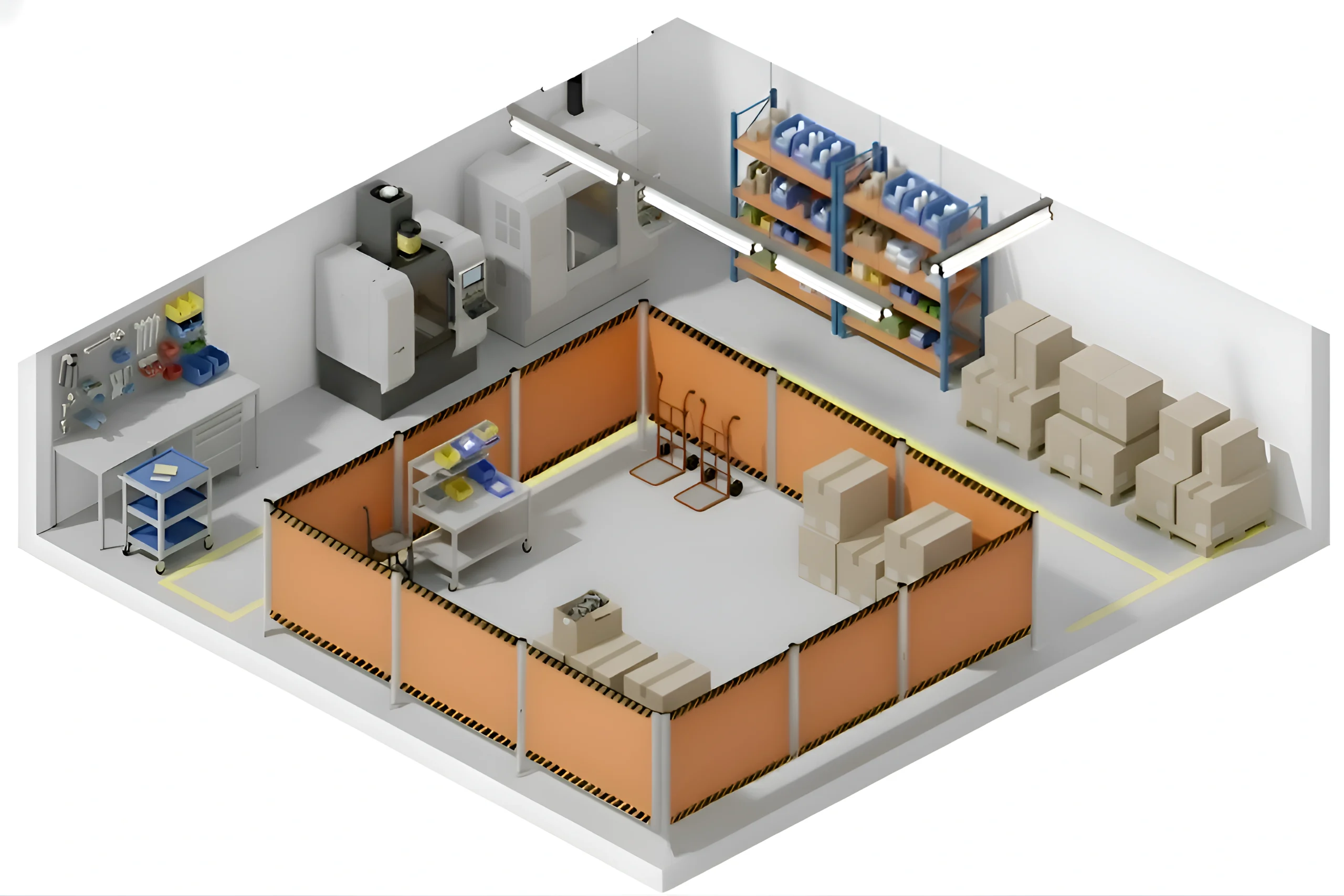
Retractable Barriers for Industrial Facilities 5S
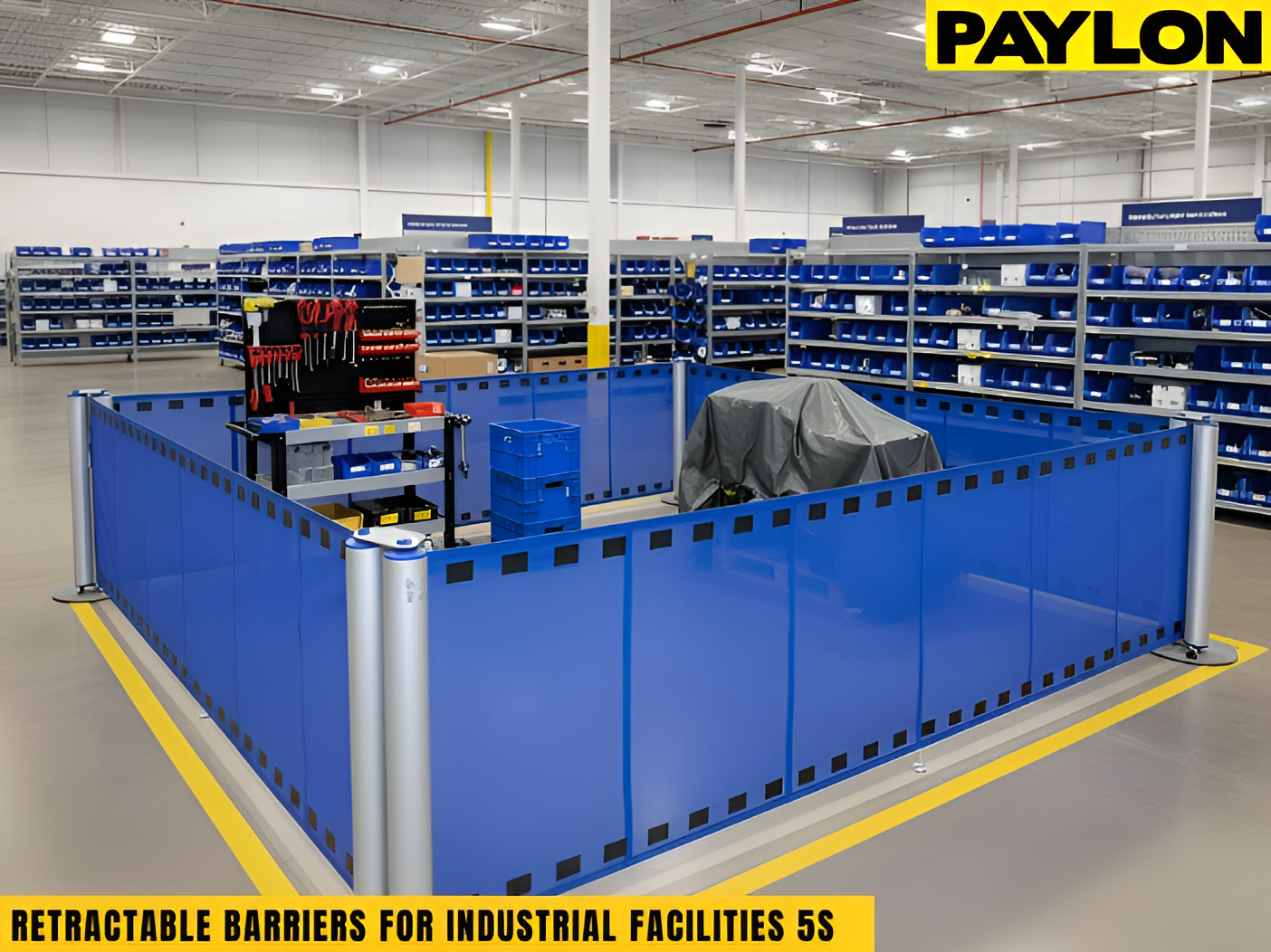
Maintaining clear visual control in busy industrial facilities is a common challenge. 5S depends on visibility and consistency to work effectively. This article explains why visual management often breaks down, highlights the benefits of warehouse retractable barriers, shows how they support 5S standards, and helps facilities choose the right solutions for changing environments.
Why Visual Management Matters in Industrial Facilities
In industrial environments, visual management plays a direct role in safety, efficiency, and consistency. When visual cues are unclear or unreliable, teams are left to interpret space on their own, which weakens control and makes standards harder to follow during daily operations.
Constant Movement and Mixed Traffic Reduce Clarity
Industrial facilities are always in motion throughout the day. Forklifts, equipment, and people often share the same spaces as tasks and priorities change.
Without clearly defined visual boundaries, workers may struggle to understand where movement is allowed or restricted. This uncertainty leads to hesitation, informal shortcuts, and inconsistent use of shared areas across shifts.
Temporary Visual Tools Struggle in High-Traffic Areas
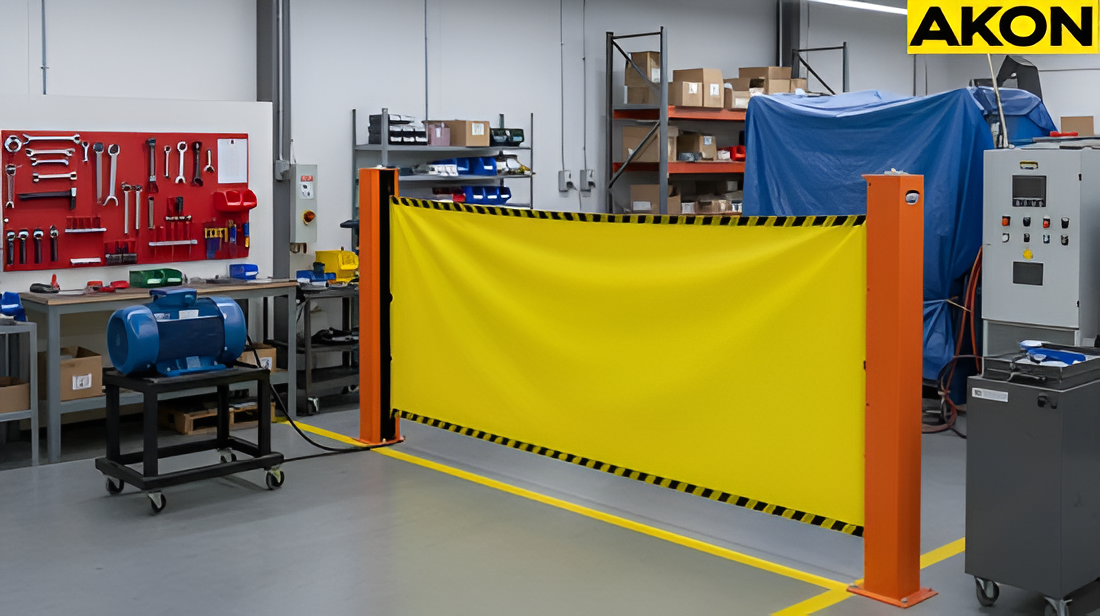
Tape, cones, and basic signs are commonly used to guide behavior in industrial spaces. In busy environments, these tools can shift out of place, wear down, or fade into the background.
As traffic increases, their visibility and effectiveness quickly decline. When visual cues lose authority, safety risks increase and 5S standards become harder to maintain during daily operations.
Key Benefits of Visual Management Using Retractable Barriers
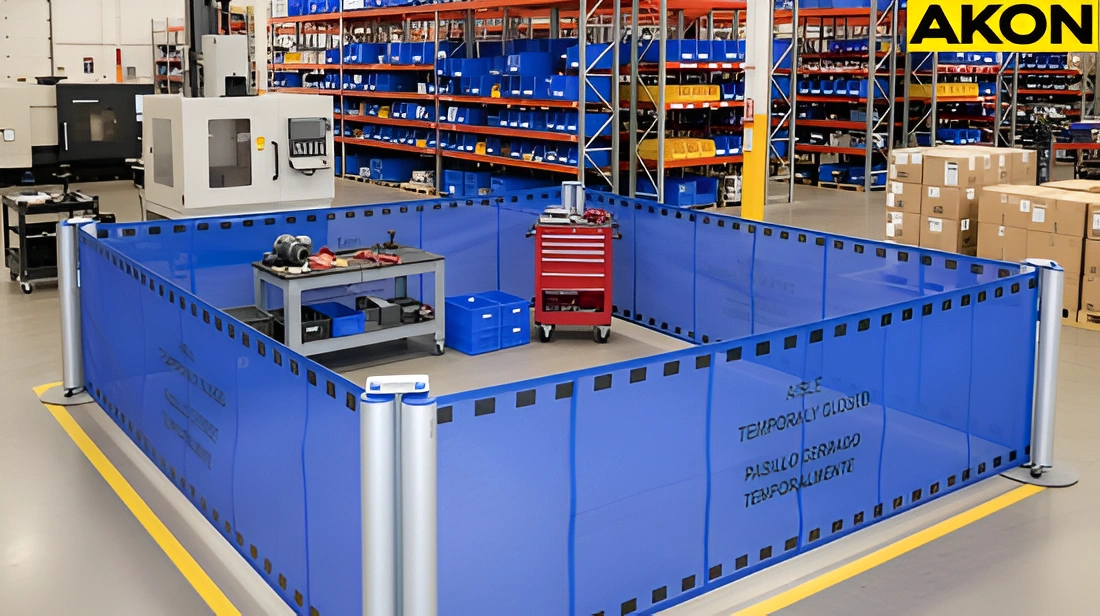
Effective visual management depends on clarity, visibility, and flexibility. Retractable barriers deliver these benefits in ways traditional tools cannot, helping teams understand space and follow standards without slowing down work.
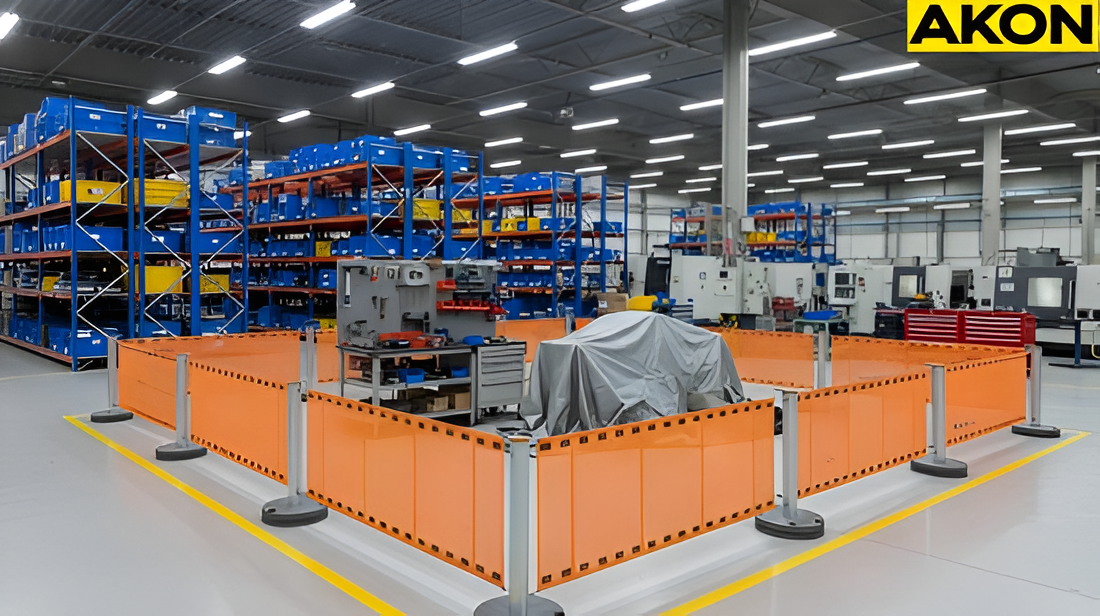
• Stronger process consistency. Visual boundaries make it easier for teams to follow standard operating procedures. When space is clearly defined, tasks are performed the same way across shifts and departments.
• Less reliance on verbal correction. Clear visual control reduces the need for supervisors to remind teams where they can or cannot go. Expectations are communicated visually, which supports smoother daily operations.
• Faster audits and walkthroughs. Defined zones make it easier to verify compliance during inspections or routine checks. Issues stand out quickly, allowing corrective actions to happen sooner.
Improved Safety Visibility
Clear physical boundaries help prevent accidental access to restricted areas by making hazards and active zones immediately visible.
Clear Visual Management
Retractable barriers provide instant visual cues that communicate expectations without relying on constant supervision.
Flexible Zone Control
Retractable barriers adjust easily as layouts and workflows change, allowing zones to be created or removed as needed.
How Retractable Barriers Support 5S Visual Standards
The benefits of retractable barriers become more effective when they are applied within a 5S structure. Instead of acting as stand-alone tools, they help turn visual management into a consistent system that supports daily operations and long-term organization.
| 5S Principle | How Retractable Barriers Help | Operational Impact |
|---|---|---|
| Sort | Helps separate active work areas from unused or restricted spaces by creating clear physical boundaries. | Unnecessary access is reduced, keeping work areas focused and free from clutter or interference. |
| Set in Order | Clearly defines how space should be used by marking walkways, restricted areas, and temporary work zones. | Layouts become easier to understand and workflows stay aligned with intended facility operations. |
| Shine | Keeps work zones visually clean and organized by reducing the need for loose cones, tape, or temporary signage. | Cleaner layouts improve visibility, make issues easier to spot, and support safer daily operations. |
| Standardize | Maintains consistent visual boundaries across shifts and departments, even as tasks change. | Shared expectations reduce variation and help teams use space the same way every day. |
| Sustain | Easy deployment and repositioning makes visual controls practical for long-term use. | 5S standards are more likely to stay in place instead of fading after initial implementation. |
When visual boundaries are applied consistently through 5S, they become part of how the facility operates rather than an added control layer. Retractable barriers help turn visual standards into daily practice, even as conditions change. This creates a clear foundation for selecting barrier solutions that match specific operational needs.
Recommended Retractable Barrier Products for Industrial Facilities
Choosing the right retractable barrier helps apply visual standards where they matter most. These SB series products address different layout challenges while supporting clear, consistent 5S practices across industrial facilities.
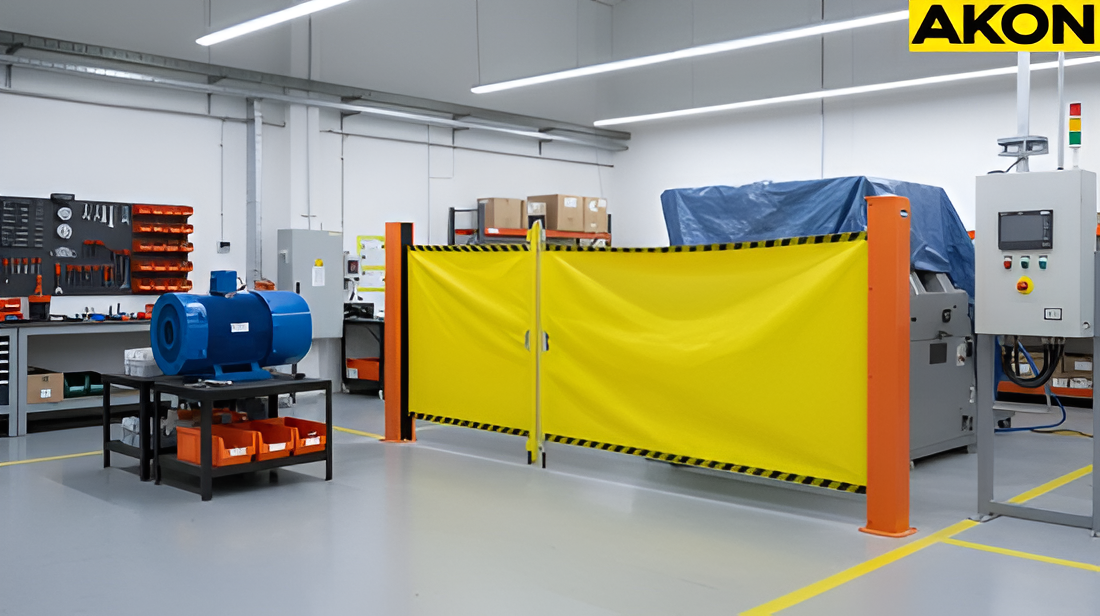
Industrial Roll Up Barricade – SB2000
The SB-2000 is built for facilities that need a dependable way to block access during active work or restricted conditions. It provides a clear visual signal that an area is temporarily off limits.
• Designed for controlled access areas. The SB-2000 works well for maintenance zones, repair areas, or temporary shutdown spaces. It creates an immediate visual boundary that reduces uncertainty around where entry is allowed.
• Strong visual separation during active work. The roll-up design clearly indicates when an area is in use. This supports Set in Order by defining active and inactive spaces at a glance.
• Repeatable use for routine tasks. Using the same barricade for similar situations builds familiarity. This reinforces Standardize by keeping visual cues consistent across shifts.
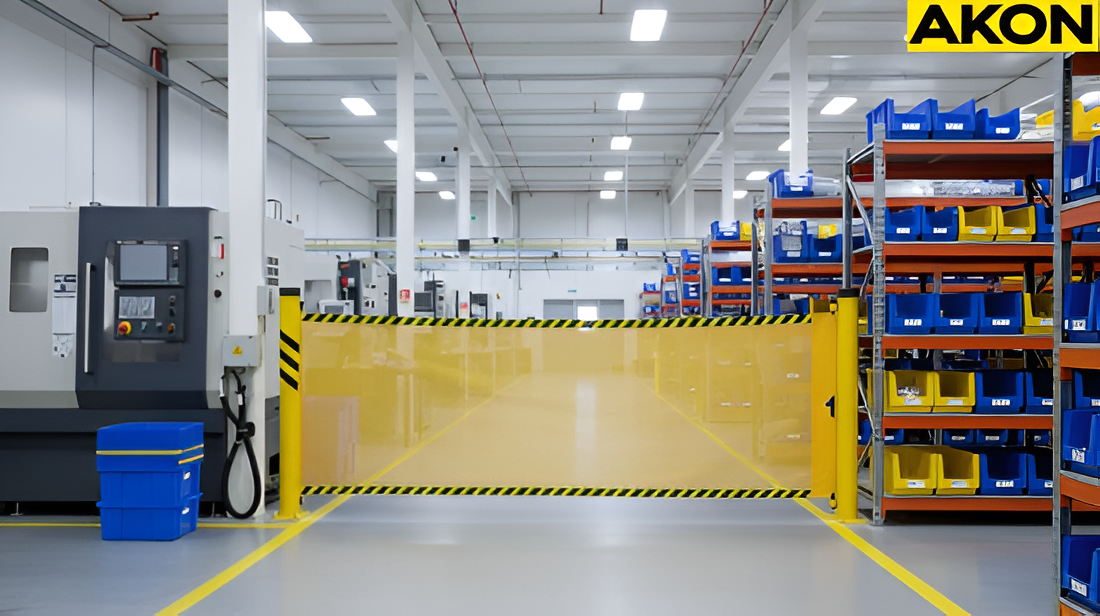
Industrial Retractable Barrier – SB3000
The SB-3000 is suited for locations that require frequent but predictable visual control. It is commonly used where safety boundaries are part of regular operations.
• Well suited for docks and fixed hazard points. The SB-3000 is often installed at dock edges, equipment zones, or access points. It provides a reliable visual reminder in areas that need regular restriction.
• Clear boundaries without permanent structures. This barrier delivers strong visual control without installing fixed guardrails. It helps maintain order while keeping layouts adaptable.
• Supports long-term visual discipline. Easy deployment and retraction allow the barrier to fit into daily routines. This helps Sustain visual standards over time.
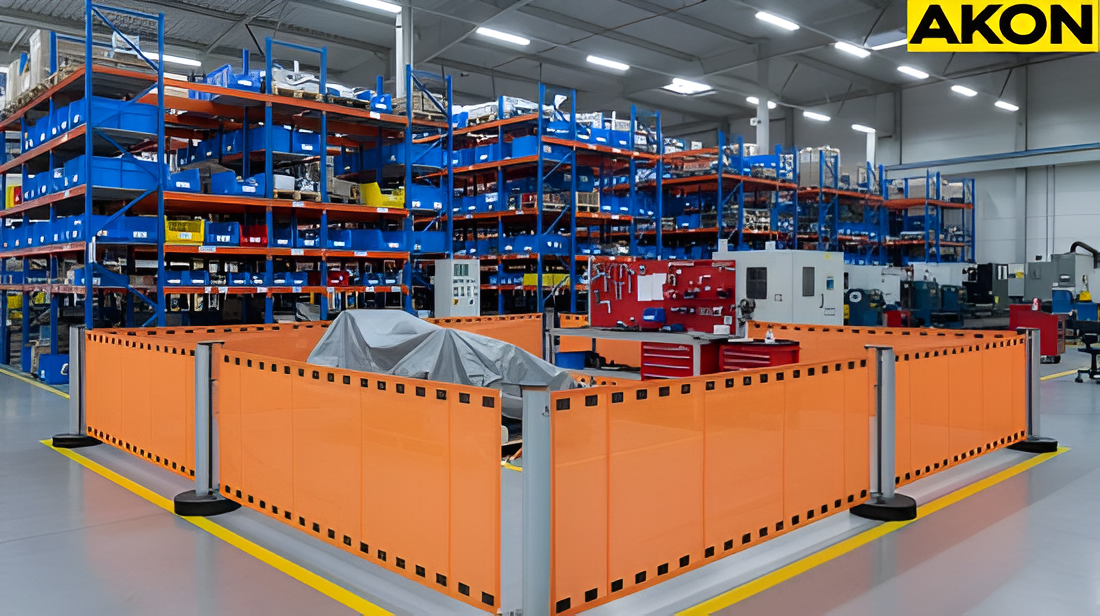
Portable Barrier – SB4000
The SB4000 is designed for environments where layouts and access needs change often. Its portable design allows visual control to move with the work.
• Ideal for changing layouts and mobile zones. The SB4000 works well in areas where work zones shift throughout the day. Teams can place boundaries exactly where they are needed.
• Quick setup when visibility is needed fast. The barrier can be deployed without tools, making it practical for short-term tasks. This supports Set in Order in dynamic environments.
• Flexible support for evolving workflows. Because it can be repositioned easily, the SB4000 helps maintain consistency even as conditions change. This reinforces both Standardize and Sustain in active facilities.
| Product Variant | Typical Use Case | Key Feature | Best-Fit Scenario |
|---|---|---|---|
| SB-4000 Portable Dual Shade | Large temporary zones | Extended reach with dual shades | Open floor areas and wide aisles |
| SB-4000 Portable Single Shade | Compact or shifting zones | Smaller footprint and easy repositioning | Tight spaces and short-term tasks |
| SB-4000 Aisle Barrier | Defined aisle control | Pull-out barrier integrated into aisles | Forklift and pedestrian separation |
| SB-4000 Rack-Mount Barrier | Racking and storage areas | Mounts directly to rack structures | Controlled access around pallet racks |
| SB-4000 Wall-Mount Barrier | Fixed access points | Wall-mounted retractable design | Doorways, corridors, and entry points |
Frequently Asked Questions
FAQs: Industrial Facilities 5S
How do retractable barriers support 5S visual management in industrial facilities?
Retractable barriers help make visual standards easy to see and follow during daily operations. Products like the SB-2000, SB-3000, and SB4000 support 5S by clearly defining how space should be used.
Are retractable barriers better than floor tape or cones for visual control?
In high-traffic industrial environments, retractable barriers are often more effective. Unlike tape or cones, SB-series barriers remain visible and consistent throughout the workday.
Where should retractable barriers be used in an industrial facility?
Retractable barriers are commonly used in aisles, docks, maintenance zones, and equipment areas. These are spaces where clear visual control is needed to guide daily activity.
Can retractable barriers be moved as workflows change?
Yes. Portable options like the SB4000 are designed to move easily as layouts and tasks change. This helps facilities maintain visual standards without slowing operations.
Do retractable barriers help separate pedestrians and forklifts?
They can. Barriers such as the SB-3000 and SB4000 create clear visual boundaries that help guide both foot traffic and equipment movement.
Are retractable barriers suitable for temporary work zones?
Yes. The SB-2000 and SB4000 are commonly used for temporary maintenance or repair areas. They provide a clear signal that access is restricted while work is active.
Can retractable barriers be used as part of an existing 5S program?
They integrate well into established 5S systems. Retractable barriers help reinforce visual standards without requiring major changes to current processes.
How do retractable barriers help maintain consistency across shifts?
When the same barriers are used repeatedly, expectations stay clear regardless of who is working. This supports consistent space usage across teams and shifts.
Do retractable barriers reduce the need for constant supervision?
They help reduce reliance on verbal reminders. Clear visual boundaries allow teams to understand limits on their own.
Are retractable barriers a permanent or temporary solution?
They can be either, depending on the model. Fixed options like the SB-3000 provide consistent control, while portable models like the SB4000 support flexibility.
Can retractable barriers include warning messages or safety text?
Yes. Many SB-series barriers can display warning messages or safety wording. This strengthens visual communication on the floor.
Is branding available on retractable barriers?
Custom branding or messaging may be available on some barrier models. This can help align visual control with company standards.
How quickly can a retractable barrier be deployed?
Most retractable barriers can be deployed in seconds. This makes them practical for both planned and unplanned tasks.
Are retractable barriers durable enough for industrial use?
SB-series barriers are designed for regular use in industrial environments. Choosing the right model ensures durability matches traffic levels.
Can retractable barriers help reduce floor clutter?
Yes. Retractable barriers reduce the need for loose cones or signs. This helps keep work areas more organized.
Do retractable barriers work in narrow aisles?
Certain models are designed specifically for aisle and rack applications. These options work well in tight or confined spaces.
How do retractable barriers support long-term 5S sustainability?
They fit naturally into daily routines, making visual control easier to maintain. This helps prevent standards from fading over time.
Are retractable barriers suitable for dock and loading areas?
Yes. The SB-3000 is commonly used around dock edges and loading zones. It provides clear visual guidance in high-risk areas.
How do I choose between SB-2000, SB-3000, and SB4000 barriers?
The choice depends on how fixed or flexible the area is. SB-2000 works well for controlled access, SB-3000 suits repeat use points, and SB4000 is best for changing layouts.
How do retractable barriers improve daily visual communication?
They make expectations visible at a glance. This helps teams understand space usage without needing additional explanation.
Photo Gallery
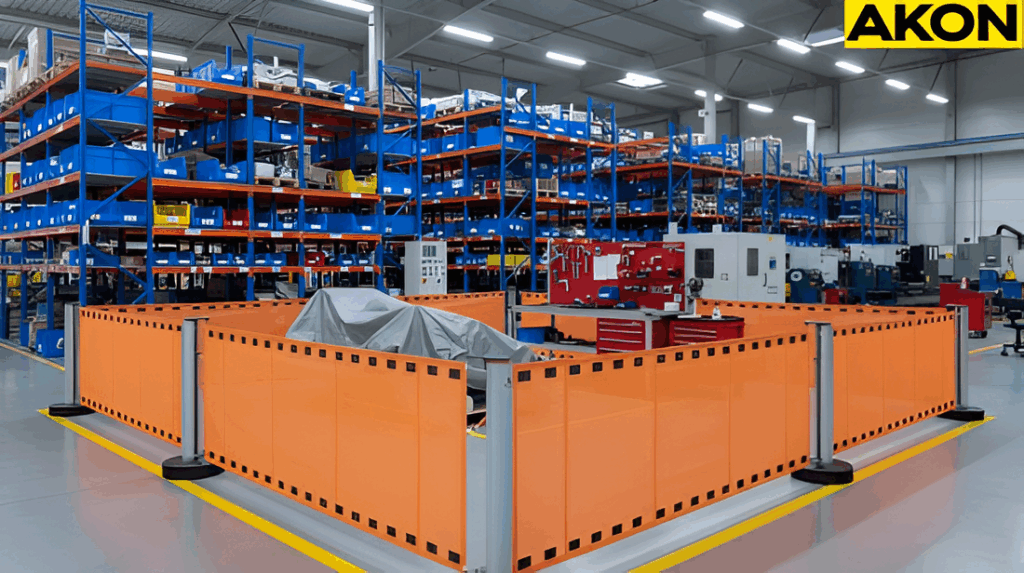
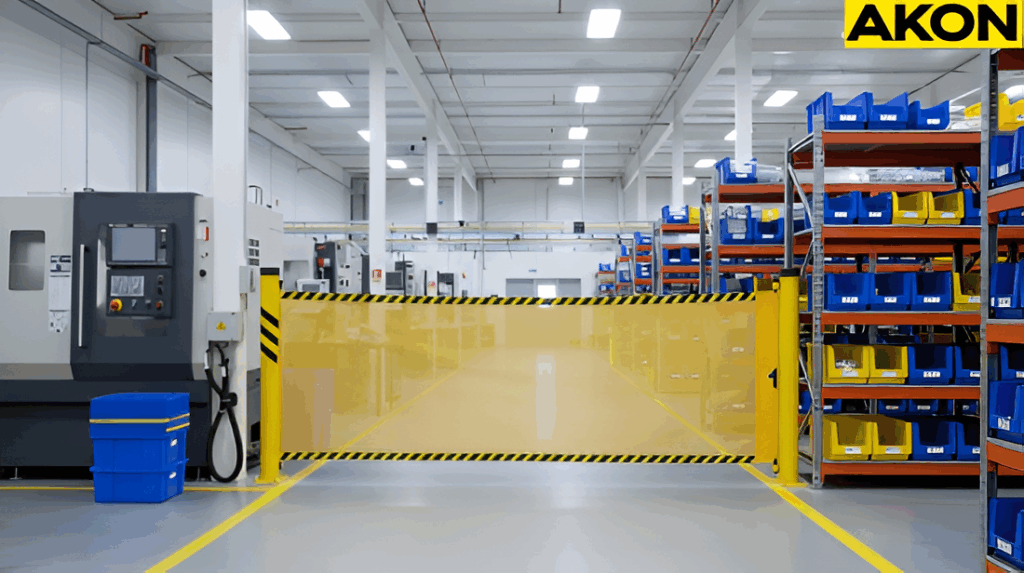
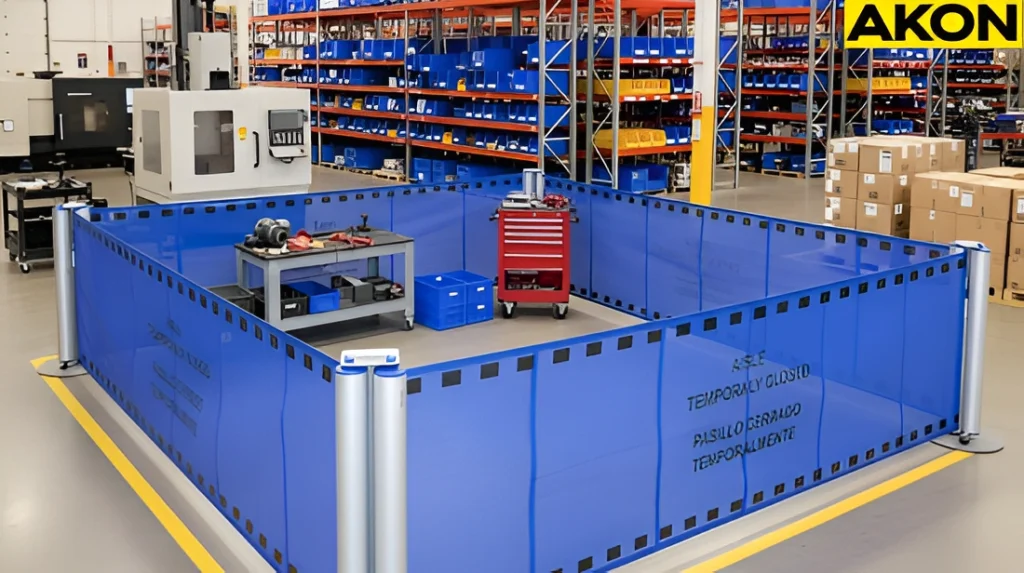
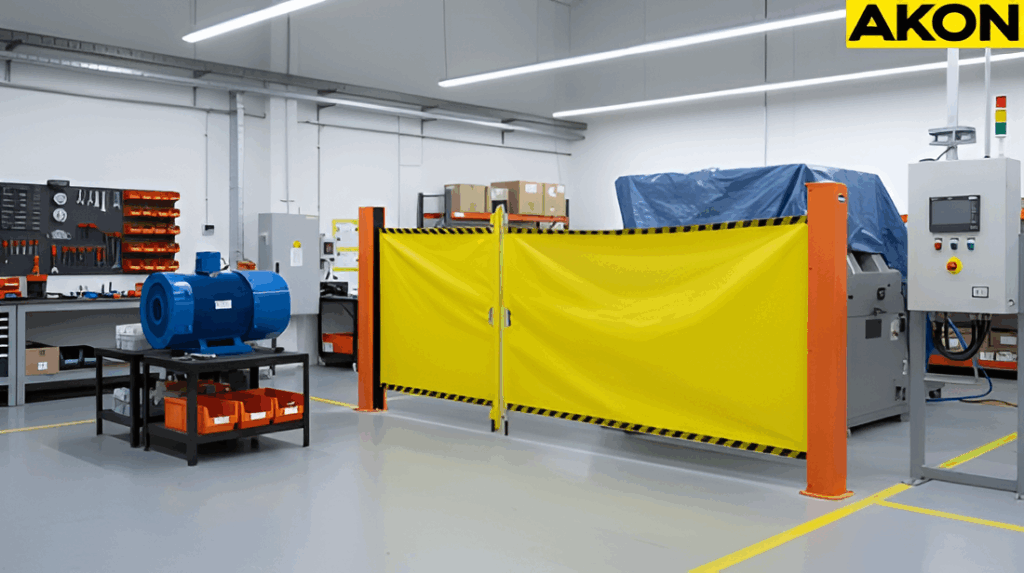
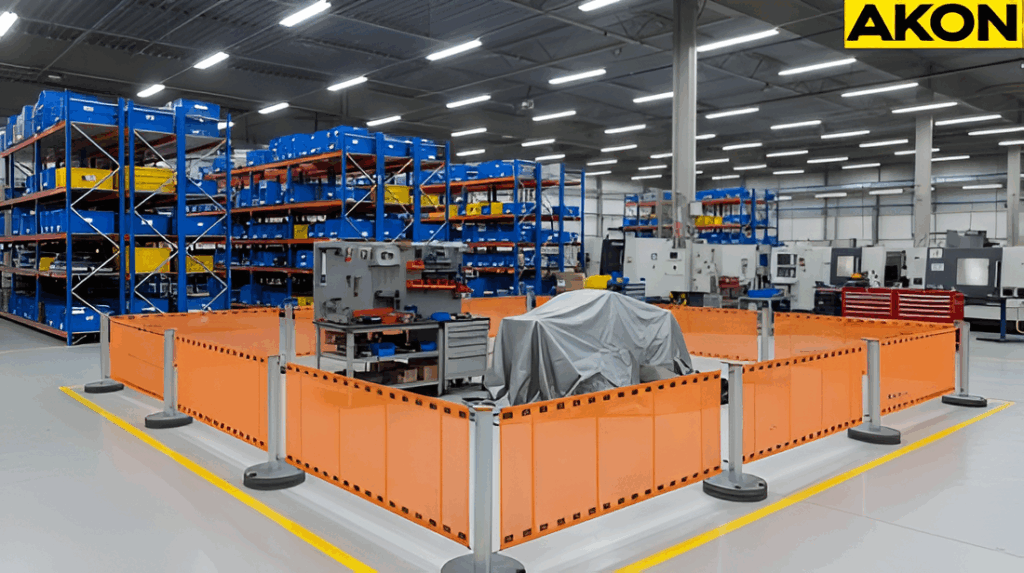
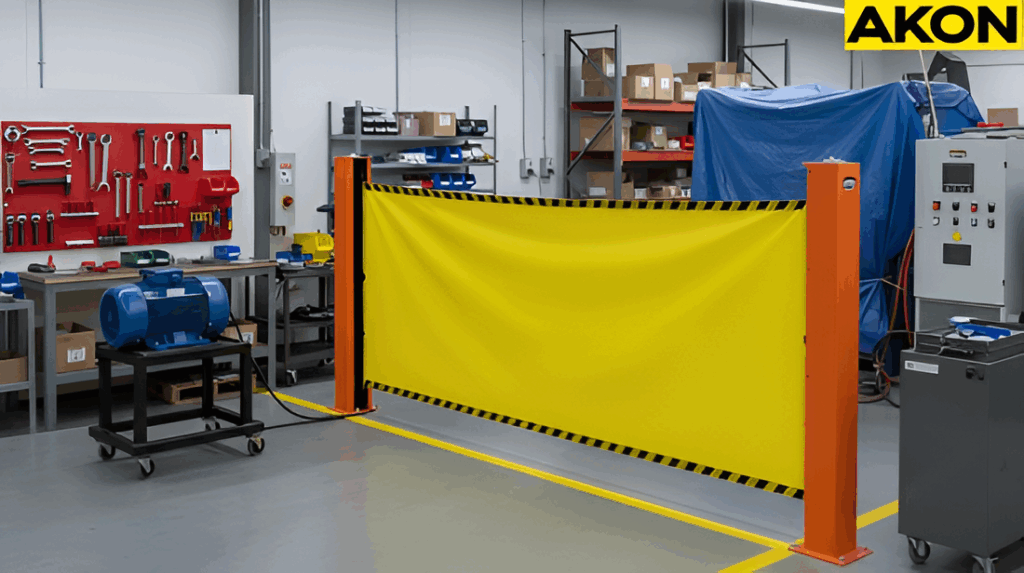
Turning Visual Standards Into Daily Practice
Strong 5S programs rely on visual boundaries that are clear, consistent, and easy to maintain during daily operations. Retractable barriers support this by making space usage visible, organized, and adaptable as conditions change across the facility. When visual control becomes part of normal workflows rather than a temporary fix, safety and efficiency improve naturally. Reviewing where visual gaps exist today is the next step toward building a more reliable and sustainable 5S environment.
Industrial Work Area Layout