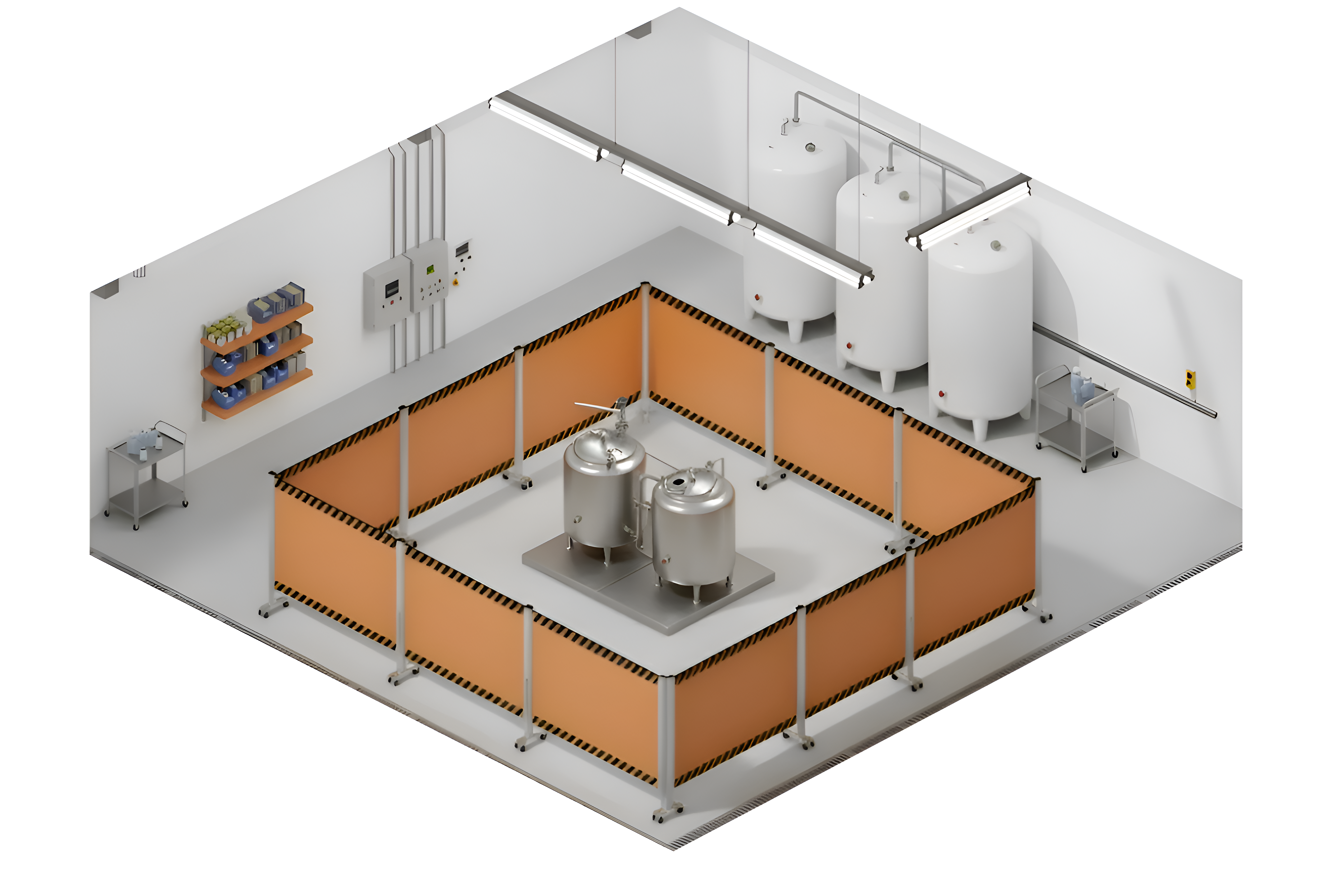
Retractable Barriers to Control Spill
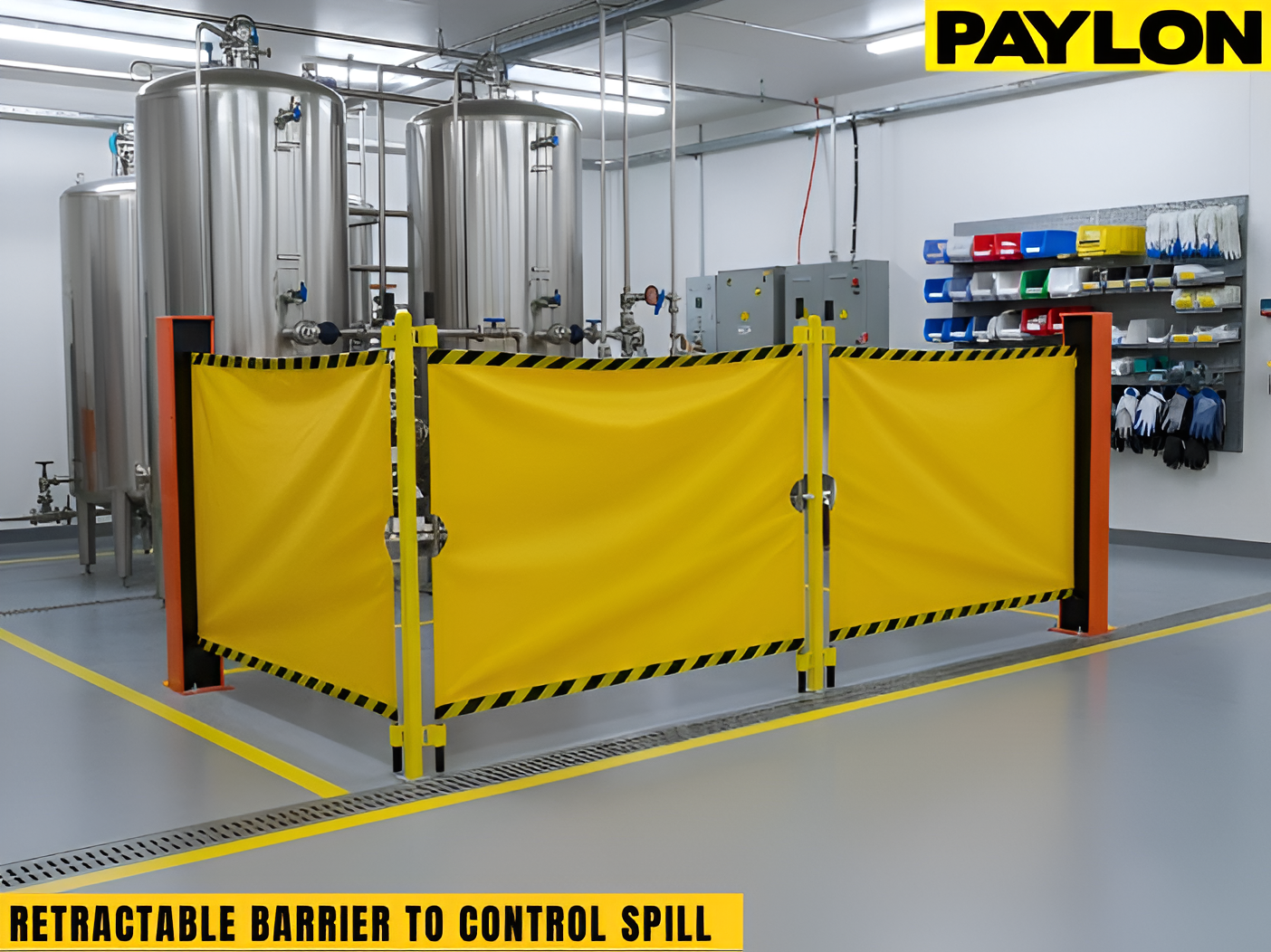
Industrial spills require immediate scene control to protect people and maintain safe operations. This article explains why isolating spill areas comes first, how retractable barrier fences support safer spill response, how they compare to traditional methods, and which barrier solutions fit different spill scenarios. It is written for safety managers, facility teams, and operations leads.
Why Scene Control Comes First During an Industrial Spill
When a spill occurs, the situation can escalate quickly if the surrounding area is not managed right away. Before any cleanup begins, controlling movement and access around the spill is essential. Clear scene control helps reduce confusion and sets the stage for a safer response.
Uncontrolled Spill Areas Increase Safety Exposure
Without defined boundaries, people may unknowingly move through spill areas. Liquids on floors increase the risk of slips, falls, and direct contact with substances that require caution.
In active facilities, even brief exposure to an uncontrolled spill can lead to injuries or unsafe conditions for workers nearby. This type of exposure often happens before anyone realizes a spill has occurred.
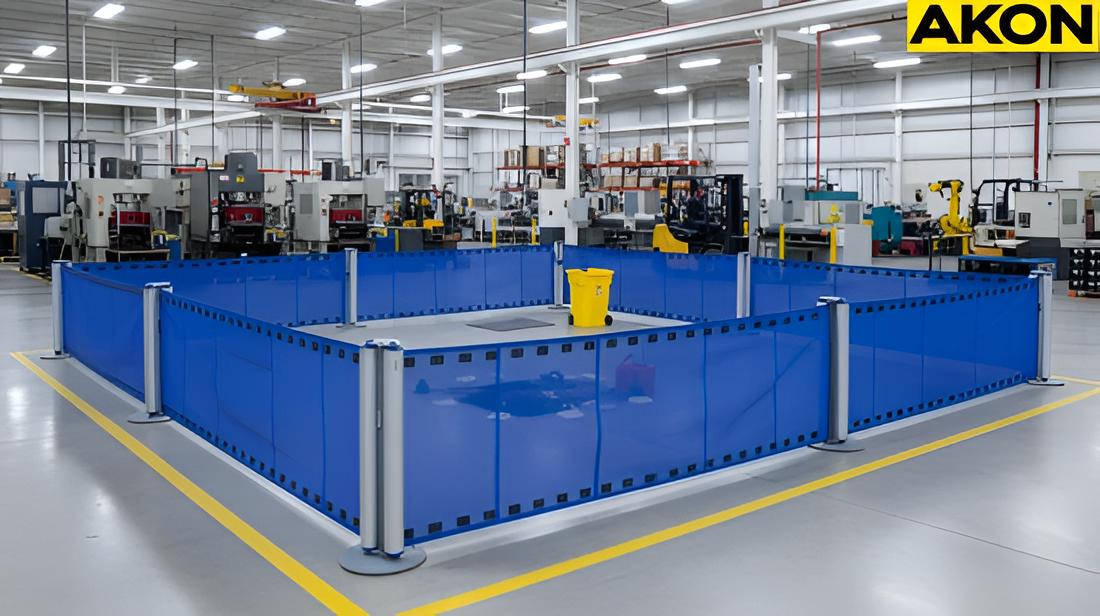
Poor Isolation Leads to Secondary Incidents
When access is not restricted, spills often spread beyond their original location. Foot traffic, carts, and equipment can track liquids into aisles, work zones, or dock areas.
This creates additional hazards, contaminates equipment, disrupts workflows, and increases downtime, turning a manageable incident into a larger operational issue. These secondary effects are often more disruptive than the spill itself.
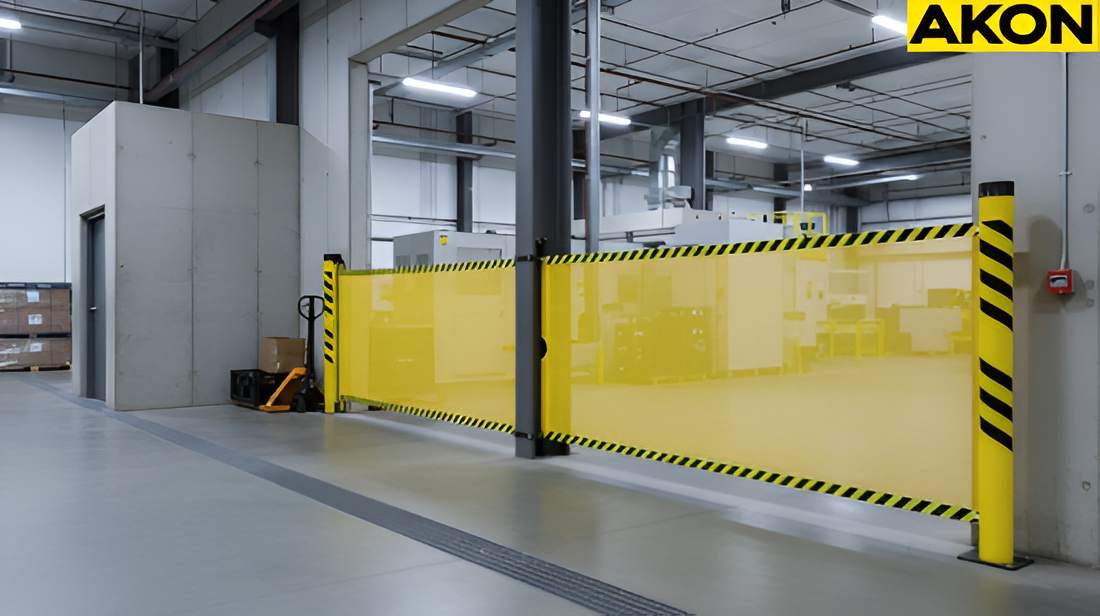
How Retractable Barriers Improve Spill Response Safety
Once the risks of an uncontrolled spill are clear, the focus shifts to using tools that help teams act quickly and maintain order. Retractable barriers support safer spill response by improving speed, visibility, and control during critical moments.
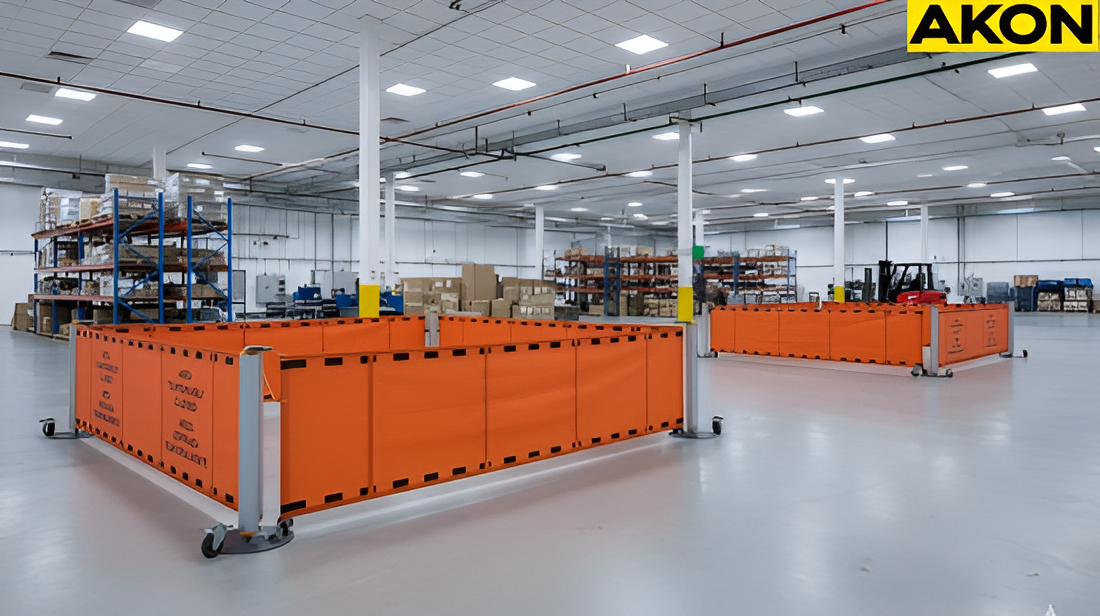
• Improved response focus. Clear scene control allows response teams to concentrate on assessment and cleanup without constant interruptions. This helps maintain an organized workflow and reduces delays caused by unmanaged foot traffic.
• Consistent safety practices. Using the same type of barrier across spill scenarios supports repeatable response procedures. This consistency makes training easier and improves coordination across teams and shifts.
• Reduced reliance on temporary measures. Retractable barriers replace makeshift solutions that are often ignored or bypassed. This results in more reliable access control and better overall compliance during spill response.
Faster Area Isolation
Retractable barriers deploy in seconds, allowing teams to establish a controlled perimeter immediately before risks spread.
Adapts to Any Spill Area
Flexible layouts allow barriers to fit around equipment, aisles, and dock zones without disrupting nearby operations.
High-Visibility Spill Zones
The barrier creates a clear visual boundary that signals restricted access and helps guide people away from the affected area.
How Retractable Barrier Fences Work
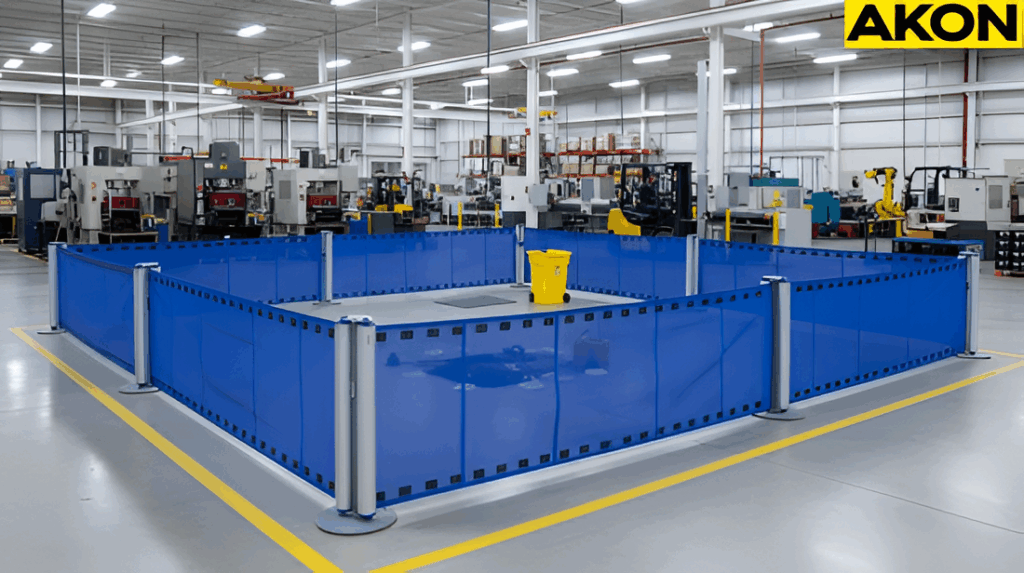
Building on the safety benefits discussed earlier, retractable barrier fences function by creating clear, temporary boundaries only when needed in active industrial settings. During a spill response, the barrier is positioned to define a controlled perimeter that restricts access while nearby work continues safely outside the area. Once the situation is resolved, the barrier can be retracted and relocated without leaving any permanent obstruction behind.
| Scene Control Method | Deployment Speed | Visibility | Reusability | Access Control |
|---|---|---|---|---|
| Tape and cones | Slower to set up | Limited and often overlooked | Single use or disposable | Easy to bypass |
| Retractable barrier fences | Quick to deploy | Clear and highly visible | Reusable for repeated incidents | Defined and consistent |
This comparison highlights why retractable barrier fences are better suited for spill response in busy facilities, offering faster setup, clearer visual control, and repeatable use without relying on temporary measures that can be ignored or displaced.
Barrier Solutions for Industrial Spill Scene Control
Different spill situations require different levels of coverage and flexibility. The SB-series barrier options below help facilities control spill scenes based on area size, layout, and how quickly conditions may change.
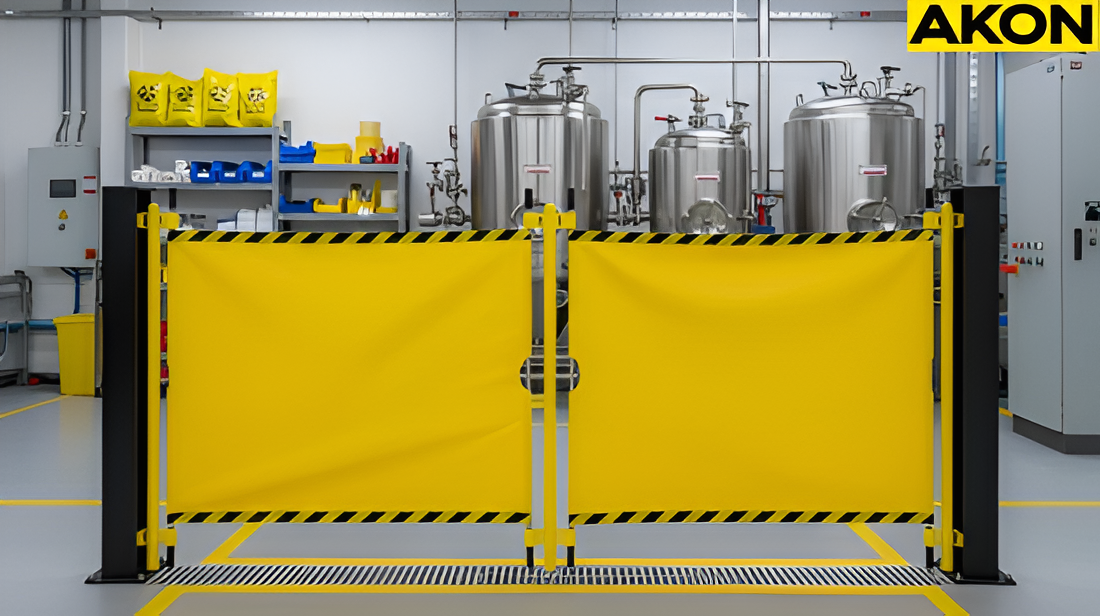
Industrial Roll Up Barricade – SB2000
The SB2000 is designed for facilities that need dependable spill scene control in defined, repeat-use areas. It works well where spills tend to occur in the same locations and require a consistent response approach.
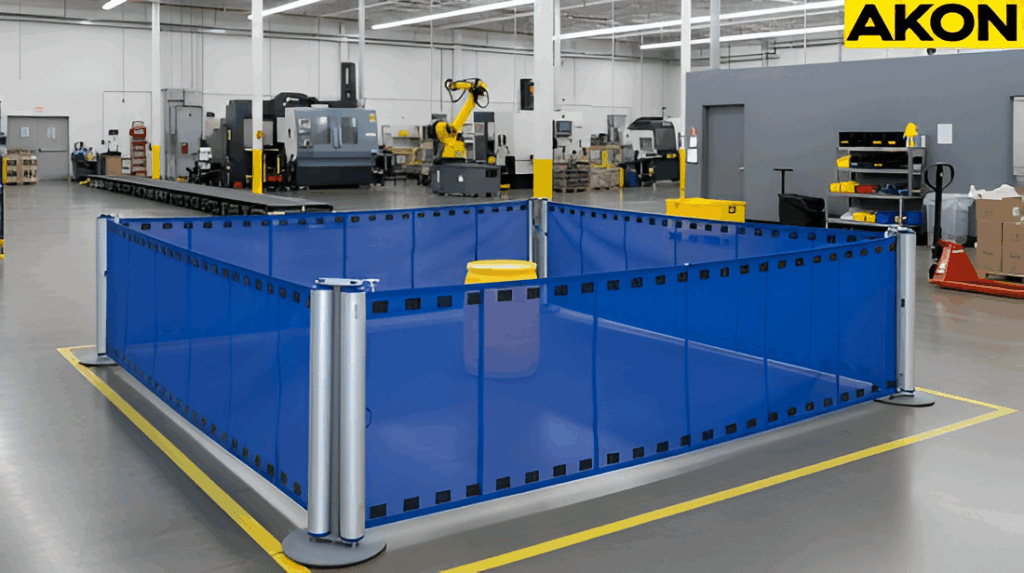
• Reliable perimeter control. The SB2000 helps isolate medium-sized spill areas such as aisles, production zones, or shared workspaces. It restricts access clearly without permanently changing how the area is used.
• Well suited for recurring spill locations. This barricade supports repeatable response in areas where spills happen more often. Its roll-up design keeps it available without interfering with daily operations.
• Supports organized response flow. The clear boundary helps teams manage access while cleanup is underway. This reduces confusion and keeps response efforts focused.
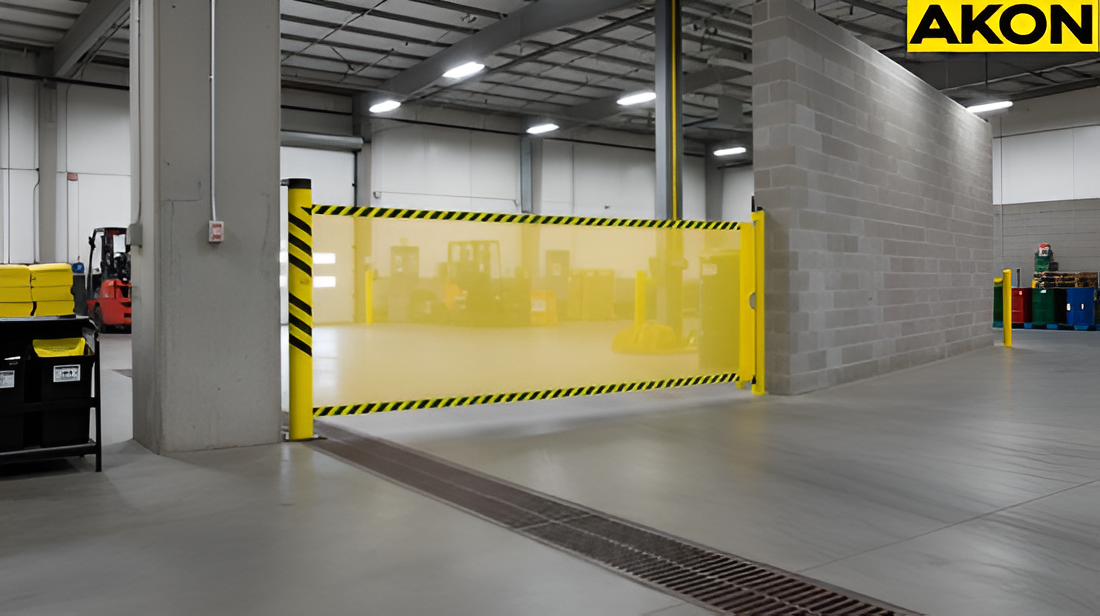
Industrial Retractable Barrier – SB3000
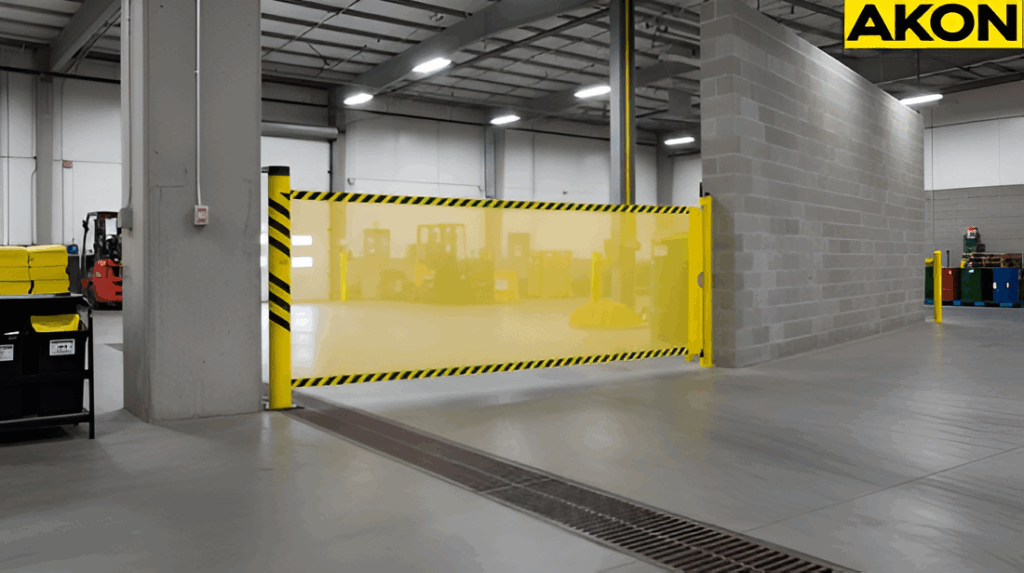
The SB-3000 is built for spill scenes where boundaries are less predictable and openings vary in size. It offers adjustable coverage that fits irregular layouts commonly found in dock and loading areas.
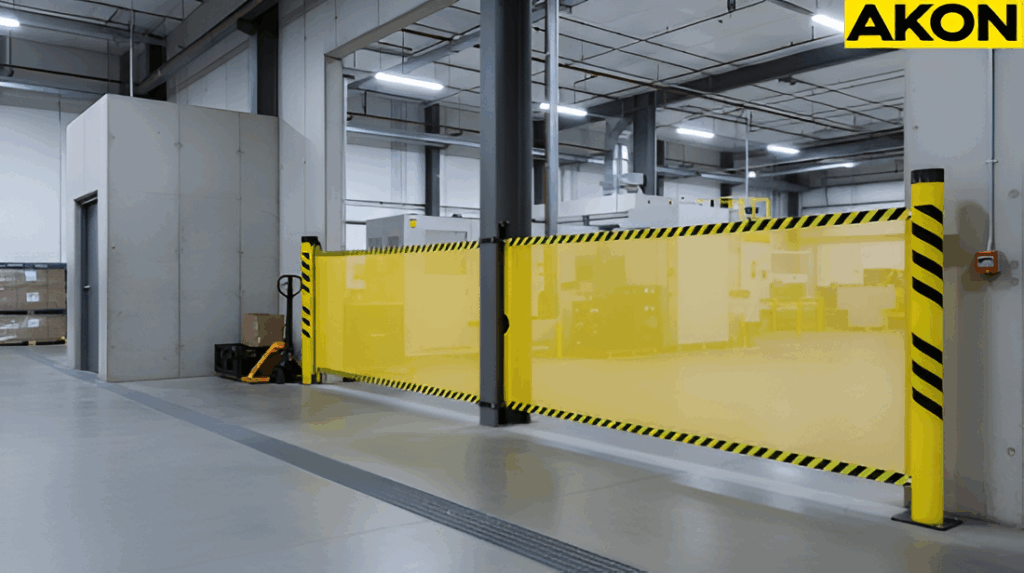
• Flexible coverage for uneven layouts. The SB-3000 adapts to dock doors, wide openings, and mixed-use access points. This makes it easier to control spill zones that do not follow straight lines.
• Helps manage active traffic areas. The barrier separates spill zones from nearby foot and equipment traffic. This supports safer movement while response work continues.
• Adjusts as conditions change. The retractable design allows coverage to expand or contract as needed. This makes it useful when spill boundaries shift during response.
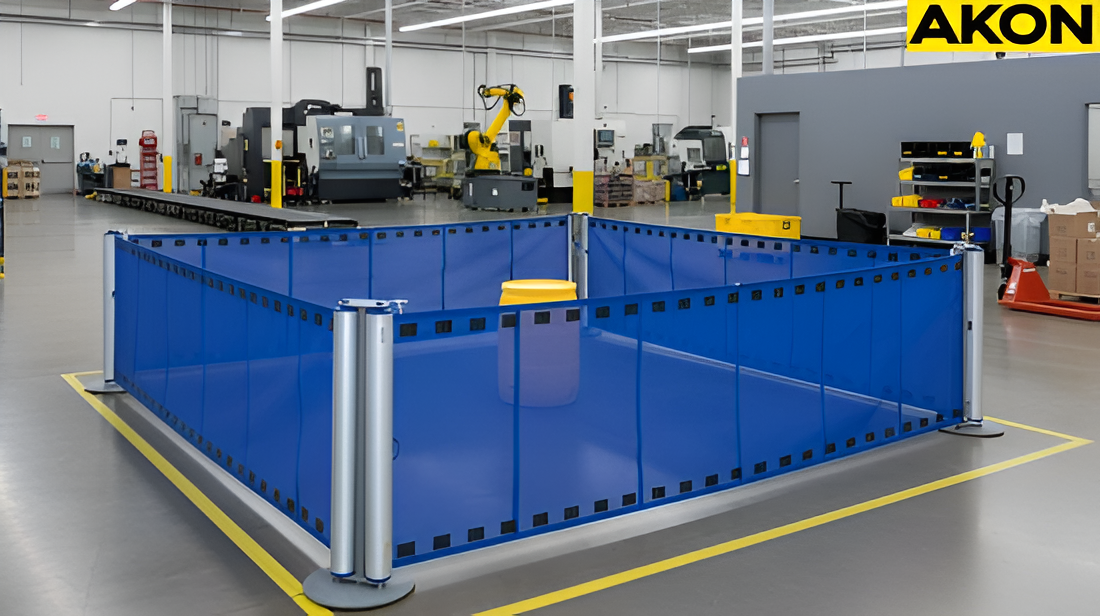
Portable Barrier – SB4000
The SB4000 is intended for spill response situations that require mobility and fast repositioning. It is a strong option for facilities that deal with frequent or unpredictable spill locations.
• Designed for mobile scene control. The SB4000 can be moved and repositioned as spill response priorities change. This allows teams to adapt quickly without resetting equipment.
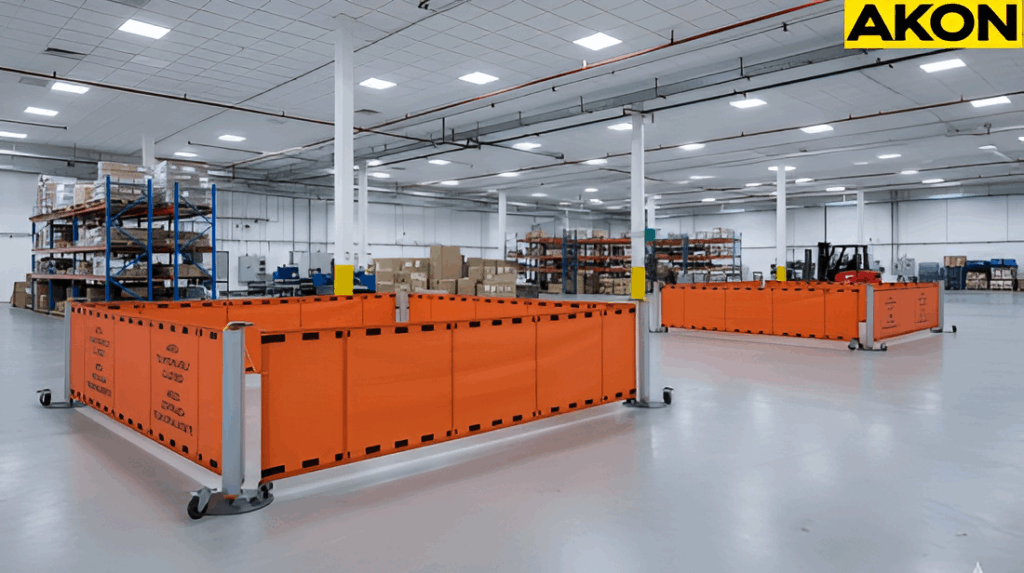
• Ideal for large or open areas. The barrier works well in warehouses, staging zones, and wide floor spaces. It provides control where fixed barriers are not practical.
• Supports ongoing preparedness. The portable design helps teams stay ready for spill events across different areas. This reduces the need for temporary solutions that lack consistency.
Frequently Asked Questions
FAQs About Industrial Spill Response
How fast can retractable barriers be deployed during a spill?
Portable options like the SB4000 can be deployed in seconds, allowing teams to isolate spill areas almost immediately after detection.
Do SB-series retractable barriers require floor mounting?
Most SB-series barriers, including the SB4000 and SB3000, are designed to work without permanent floor mounting for temporary spill control.
Can the same barrier be reused after spill cleanup?
Yes, SB2000, SB3000, and SB4000 barriers are built for repeated use across multiple spill response events.
Can SB-series retractable barriers be used in dock and warehouse spill response?
These barriers are commonly used in dock doors, loading areas, and warehouse aisles where spill locations and traffic patterns change.
Which SB barrier works best for frequent spill locations?
Facilities with recurring spill areas often use the SB2000 because it provides consistent control in defined locations.
Are retractable barriers suitable for narrow aisles or equipment areas?
The SB3000 retractable barrier adjusts well to narrow openings and irregular layouts often found near equipment and dock access points.
Can SB4000 portable barriers be repositioned during an active spill response?
Yes, the SB4000 is designed for mobility and can be repositioned as spill boundaries shift during response.
Do retractable barriers block visibility during cleanup?
SB-series barriers are designed to clearly mark restricted areas while still allowing nearby operations to remain visible.
Can retractable barriers be used with absorbents and spill kits?
They are often deployed alongside absorbent pads, socks, and drain covers as part of a coordinated spill response.
Are SB-series barriers easy for staff to use without specialized training?
Most facilities include SB-series barrier deployment in standard spill response training due to their simple operation.
Can one SB-series barrier handle different spill sizes?
Many SB-series setups can be adjusted to cover both small leaks and larger spill areas depending on the situation.
Do retractable barriers help manage both foot and equipment traffic?
Barriers like the SB3000 and SB4000 are used to guide both pedestrians and equipment away from spill zones.
Are SB4000 barriers suitable for large open warehouse floors?
The SB4000 is commonly chosen for large or open areas where fixed barriers are not practical.
Can retractable barriers be stored nearby when not in use?
SB-series barriers retract into compact forms that can be stored close to spill-prone areas.
Do retractable barriers slow down spill response efforts?
Using barriers such as the SB2000 or SB4000 helps organize the scene quickly rather than delaying response.
Are SB-series barriers suitable for short-term spill isolation?
They are frequently used for both short cleanup events and longer response situations.
Can retractable barriers be included in existing spill response plans?
Many facilities integrate SB-series barriers directly into their documented spill response procedures.
Do retractable barriers help reduce confusion during active cleanup?
Clear boundaries created by SB-series barriers make it easier for workers to understand restricted areas.
Are SB-series barriers durable enough for industrial environments?
These barriers are designed for repeated use in busy industrial and warehouse settings.
Which SB barrier is best for unpredictable spill locations?
Facilities dealing with unpredictable spill locations often rely on the portable SB4000 for flexible scene control.
Photo Gallery
Preparedness Makes Spill Response Faster and Safer
Effective industrial spill response depends on how quickly a scene is controlled, how clearly boundaries are established, and how well access is managed during cleanup. Retractable barrier systems support spill preparedness by giving facilities a reliable way to organize incidents as soon as they occur, rather than reacting with improvised measures. When the right barriers are already in place, teams can respond with confidence, maintain order, and keep disruptions contained.
Spill Area Control in a Production Space