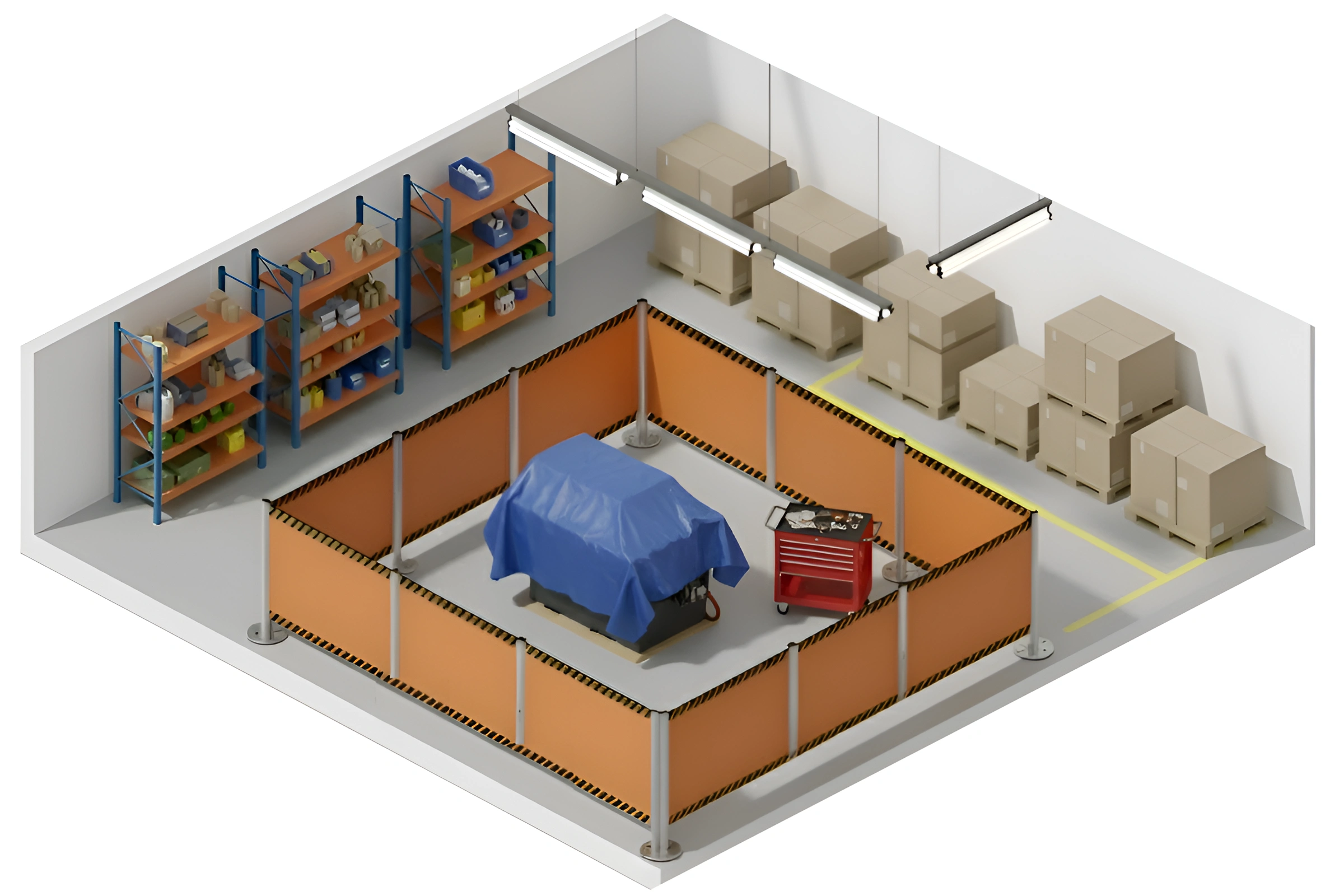
Portable vs Wall Mount vs Rack Mount Retractable Barriers
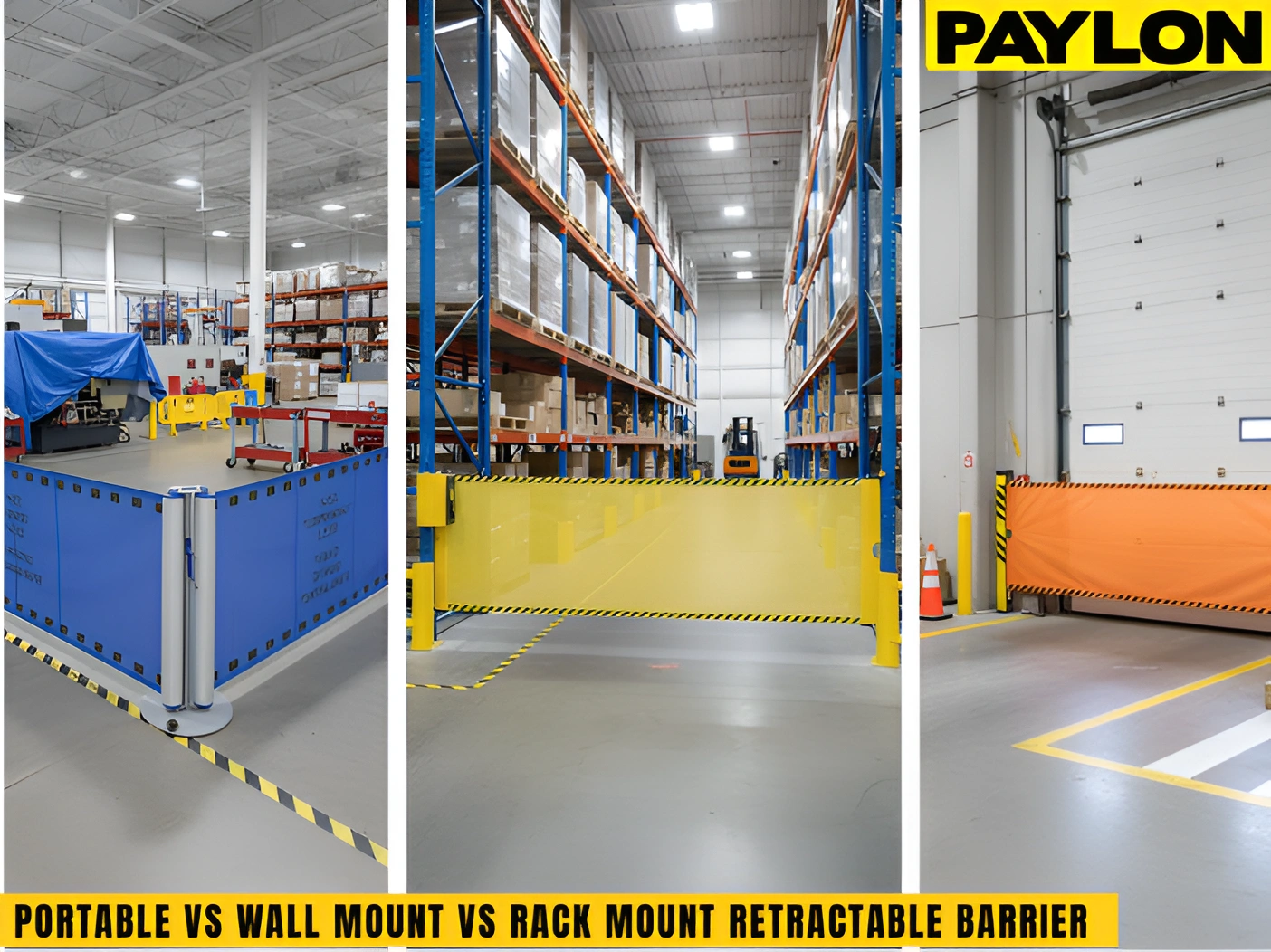
Warehouses rely on industrial retractable barriers to improve safety, control access, and protect workflow in busy environments. This guide compares portable, wall mount, and rack mount retractable barrier options, explains why mounting type matters, highlights key benefits, and helps warehouse teams choose the right solution based on how their space actually operates.
Why Barrier Mounting Type Matters in Warehouses
Once retractable barriers are part of a warehouse, their effectiveness depends on how well they fit into everyday routines. The mounting type directly influences ease of use, consistency, and long-term adoption. When mounting does not align with real working conditions, barriers tend to be skipped or misused. This often leads to safety gaps, even when the right equipment is available.
How Mounting Type Influences Daily Use
In busy warehouse environments, teams rely on solutions that are quick and simple to use. If a barrier feels awkward to access or takes extra effort to deploy, it is less likely to be used consistently.
Mounting type affects how easily a barrier can be reached during routine tasks. Barriers that align with daily movement patterns are more likely to become part of standard work habits.
Warehouse Layout Challenges That Affect Barrier Adoption
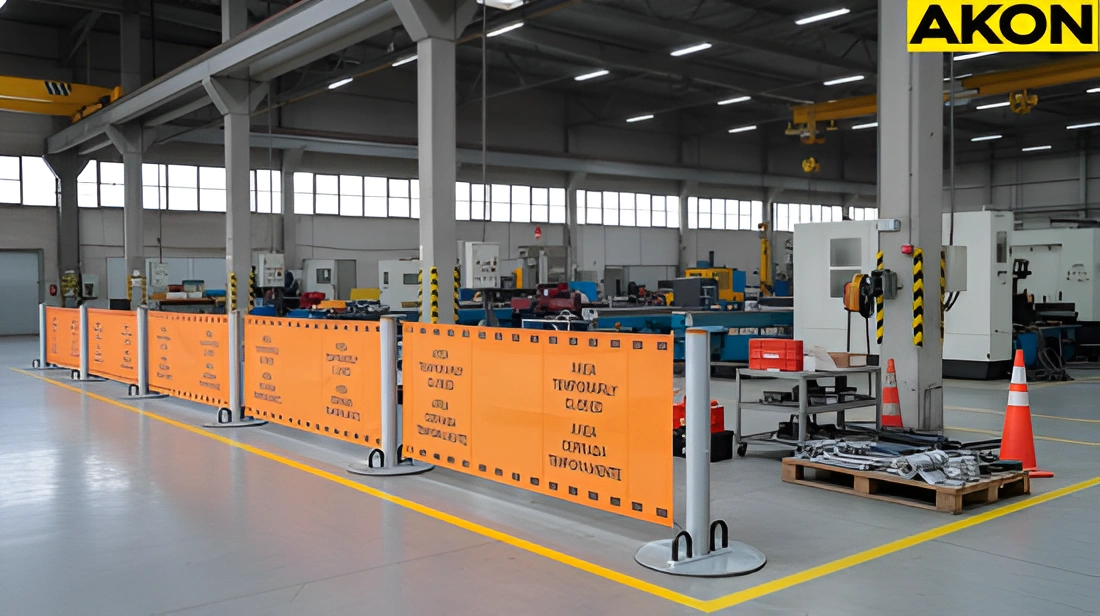
Warehouse layouts often include tight aisles, constant traffic, and changing work zones. Fixed solutions can struggle to keep up when layouts shift throughout the day.
Barriers that block movement or take up valuable floor space quickly become a frustration. Mounting choices must account for these physical constraints to remain practical and effective.
Key Benefits of Industrial Retractable Barriers
After knowing why mounting choice affects daily use, it is helpful to focus on the results industrial retractable barriers deliver on the warehouse floor. These benefits highlight what teams experience in real situations, rather than how the barriers are constructed.
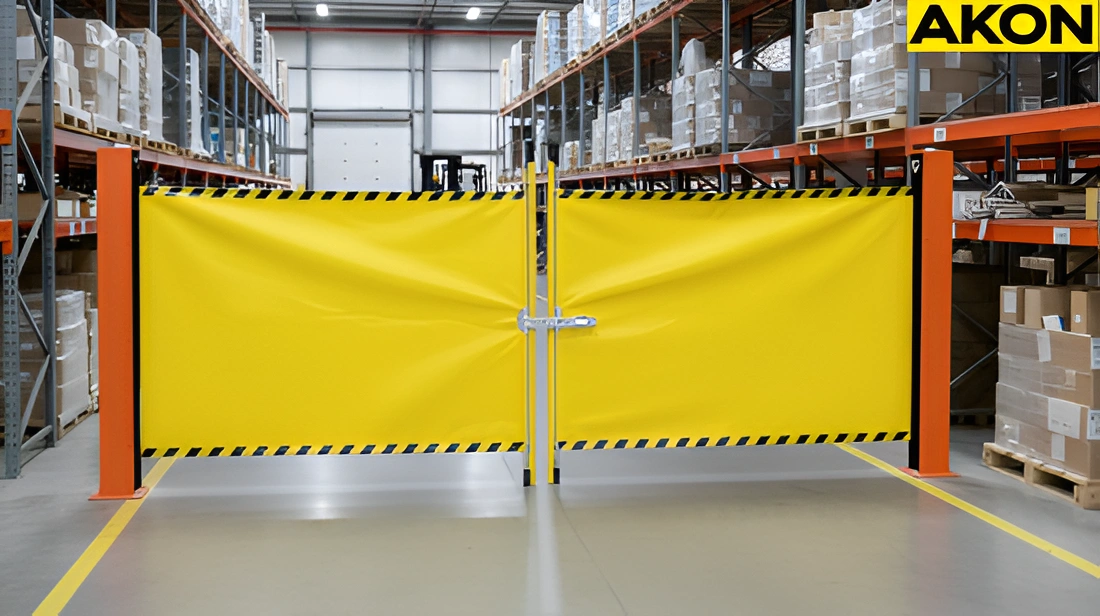
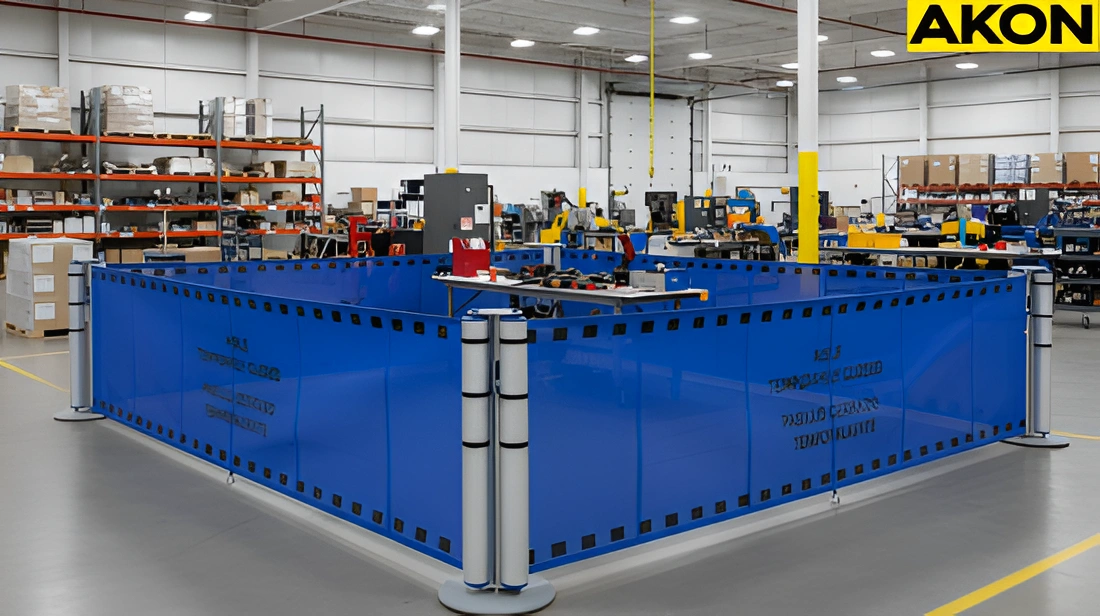
• More reliable safety coverage. Retractable barriers stay in place once deployed and are easier to notice than cones or tape. This helps reduce accidental entry into restricted areas.
• Smoother daily operations. Barriers can be set up and removed without interrupting nearby work. Teams spend less time adjusting safety zones and more time staying productive.
• Better consistency across shifts. Clear, reusable barriers encourage the same safety practices from one shift to the next. This helps reinforce expectations without constant reminders.
Fast Deployment
Retractable barriers can be extended or retracted in seconds to quickly secure aisles, hazards, or active work zones.
Layout Flexibility
Retractable barriers adjust easily to changing layouts, temporary work areas, and shifting access needs throughout the day.
Clear Visual Boundaries
High-visibility barriers clearly mark restricted areas so workers and equipment operators can recognize them at a glance.
Portable vs Wall Mount vs Rack Mount: Comparison Table
With the benefits clearly defined, the next step is narrowing down which mounting option fits your warehouse best. This table offers a quick, side by side view of how portable, wall mount, and rack mount retractable barriers differ based on everyday use, space considerations, and typical applications.
| Feature / Use Case | Portable | Wall Mount | Rack Mount |
|---|---|---|---|
| Flexibility | High | Medium | Medium |
| Installation Required | No | Yes | Yes |
| Floor Space Used | Yes | No | No |
| Best For | Changing zones and temporary closures | Fixed entry points and corridors | Pallet rack aisles and storage bays |
This comparison helps warehouse teams quickly identify which mounting type aligns with how their space is used, making the decision clearer before moving on to specific barrier options.
Recommended Industrial Retractable Barrier Options for Warehouses
With the mounting options clearly compared, the next step is connecting those choices to specific barrier solutions used in real warehouse environments. The following options are selected based on how they support daily operations, not on technical specifications.
Industrial Roll Up Barricade – SB2000
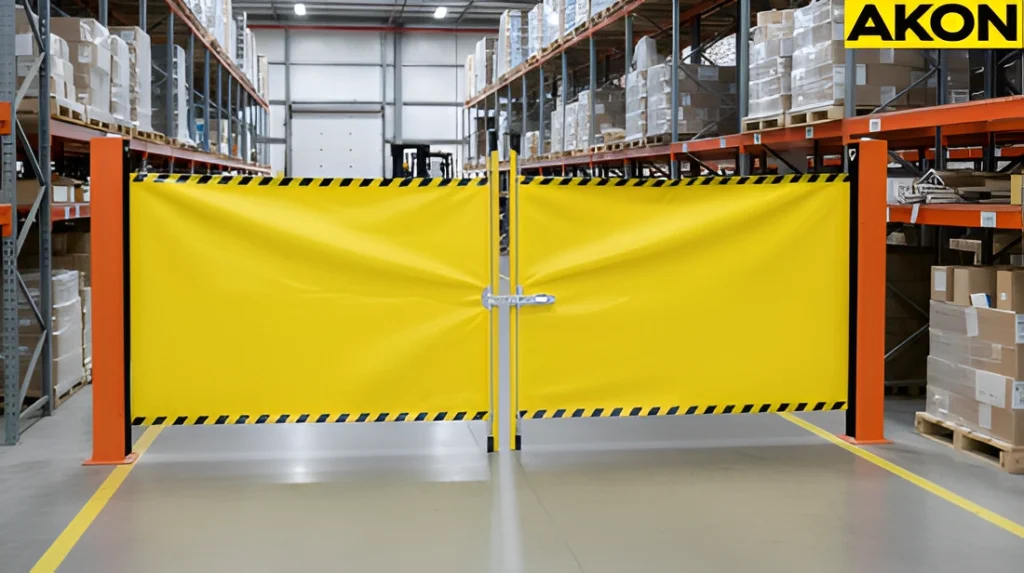
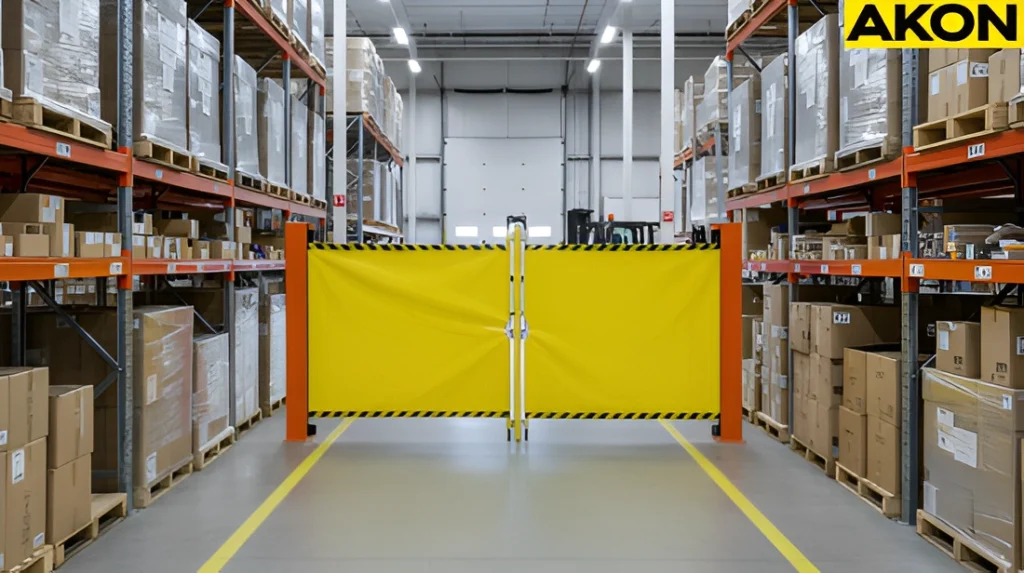
The SB2000 is designed for warehouse areas that require dependable access control throughout the day. It fits well in spaces where safety zones are predictable but still need flexibility without permanent barriers.
• Helps define restricted zones that are used repeatedly during normal operations.
• Works well in mixed-use areas where pedestrian and equipment traffic overlap.
• Encourages consistent safety practices without constant setup changes.
• Supports operations that need stability with some flexibility.
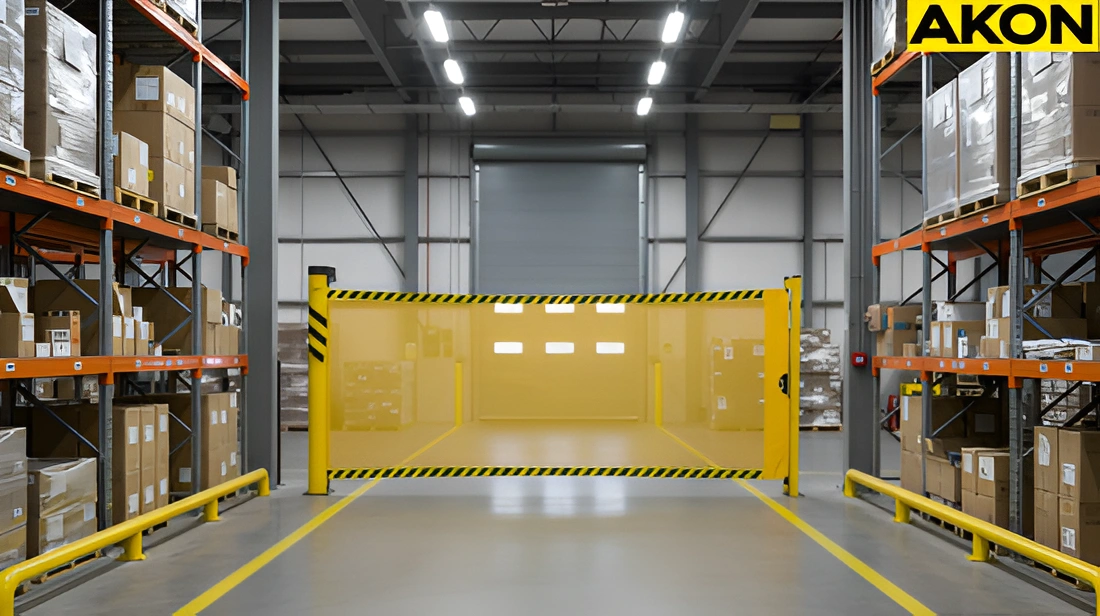
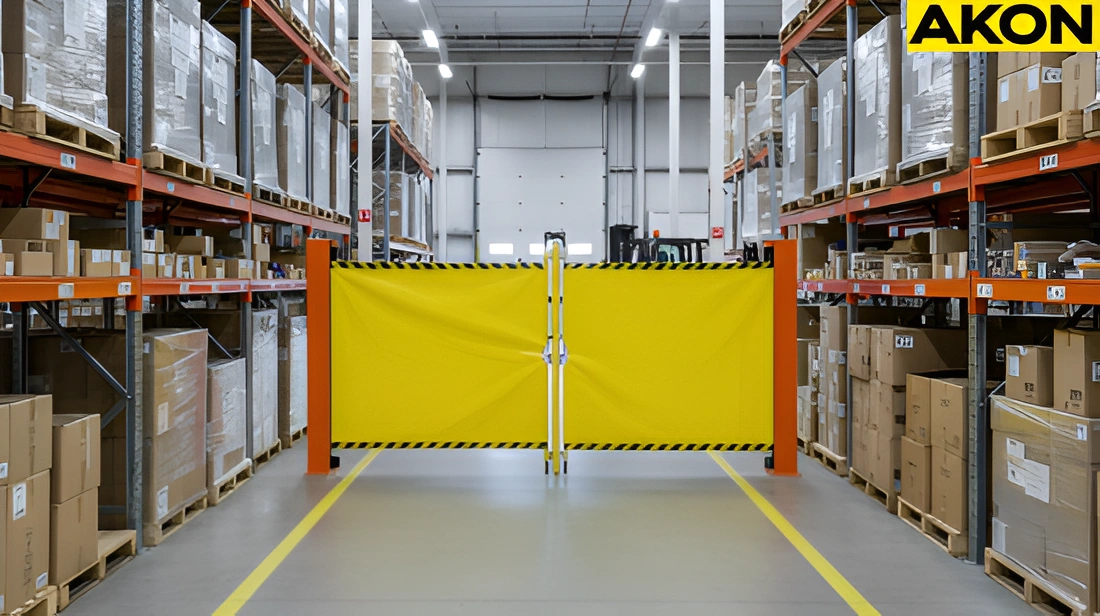
Industrial Retractable Barrier – SB3000
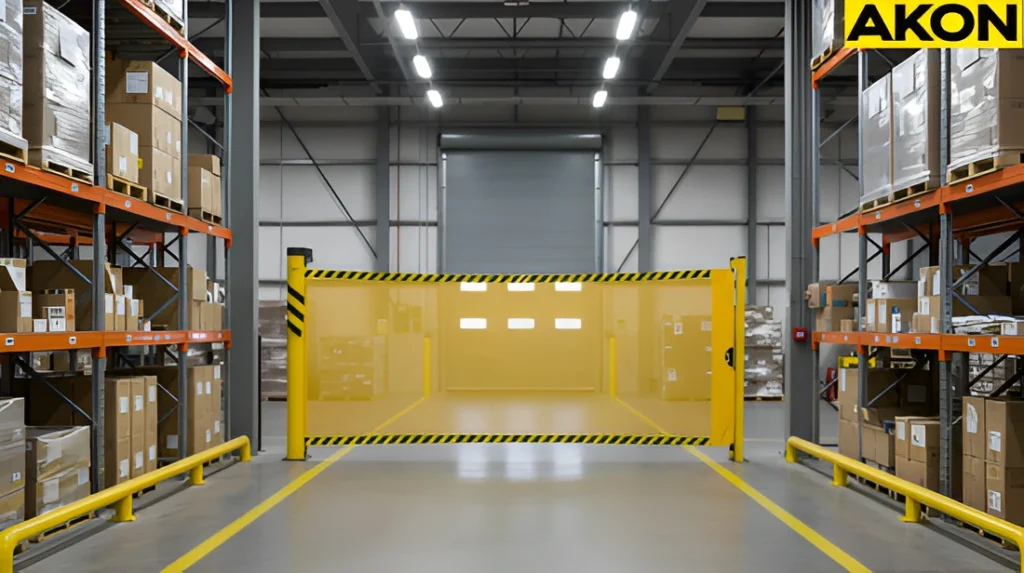
The SB-3000 is suited for locations where visibility and clear separation are essential. It performs well in areas that require frequent opening and closing of access points during daily workflows.
• Creates a strong visual boundary in aisles, docks, or hazard zones.
• Supports frequent deployment without slowing nearby work.
• Easy for a single worker to operate as part of routine tasks.
• Helps guide movement and reduce accidental entry into restricted areas.
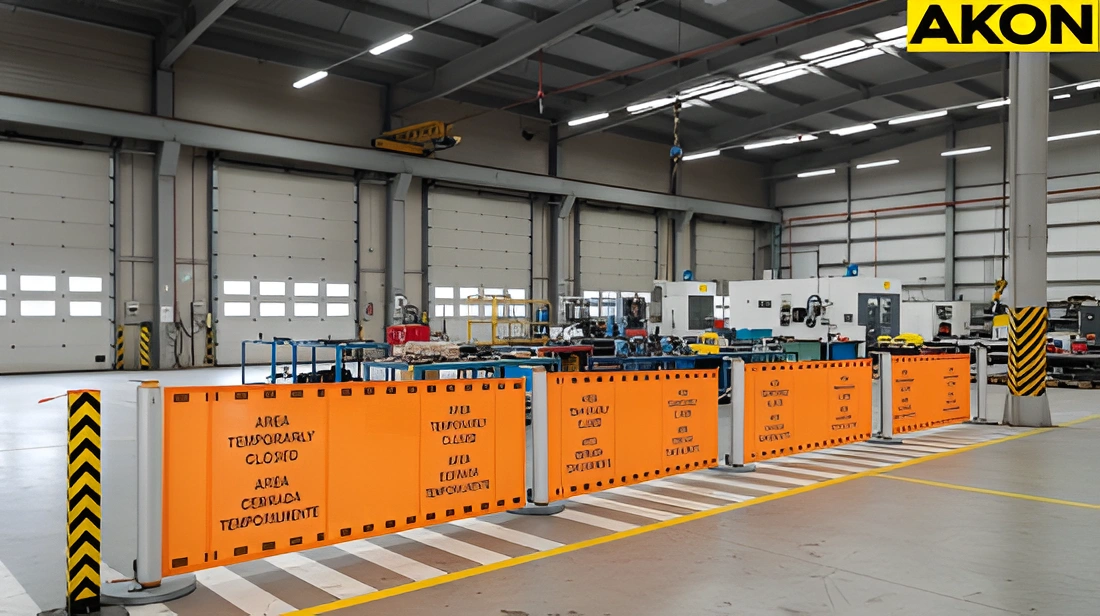
Portable Barrier – SB4000
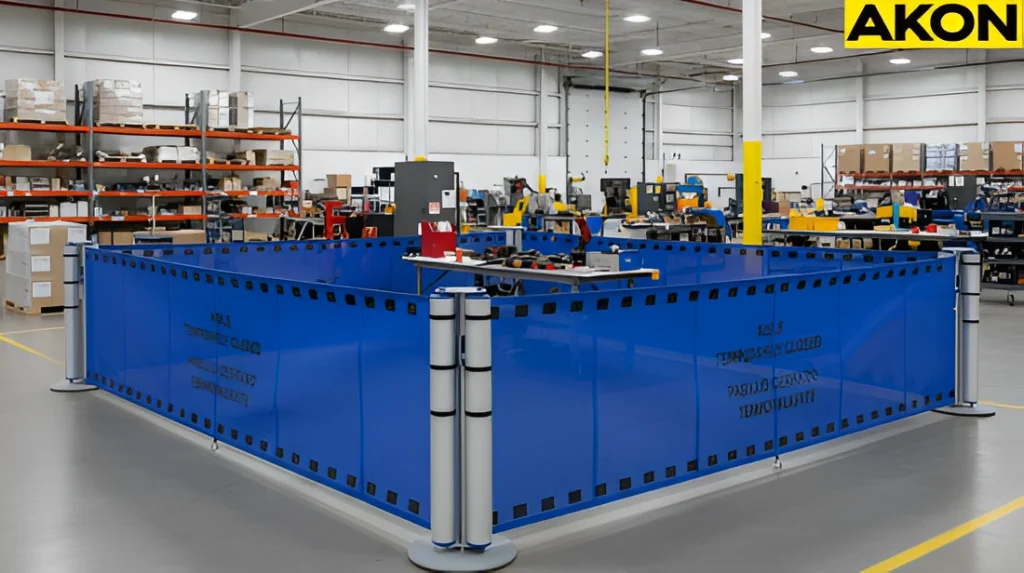
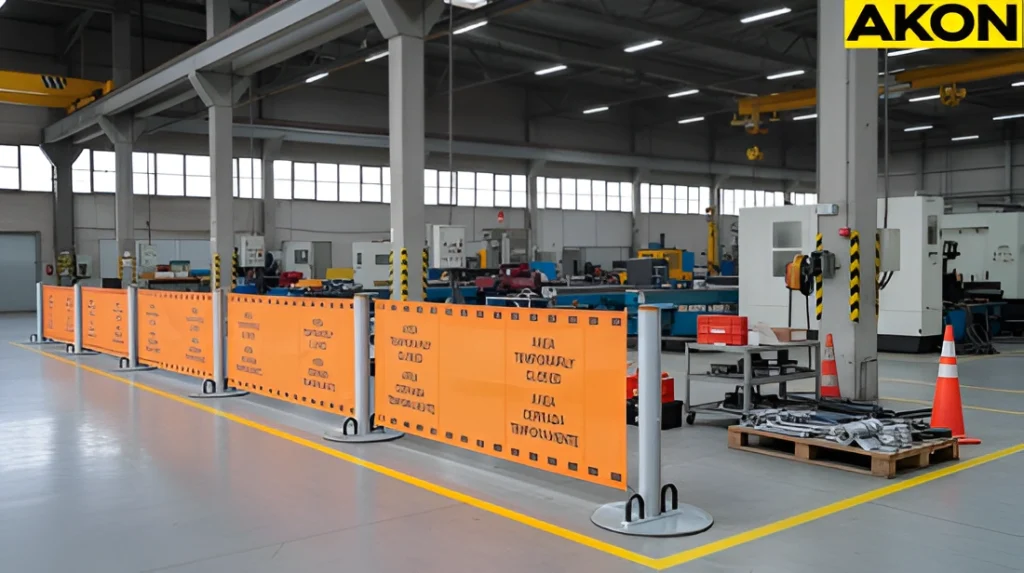
The SB4000 is built for warehouses where conditions and work zones change often. It allows teams to respond quickly to shifting needs without disrupting operations.
• Makes it easy to create or move safety zones as layouts change.
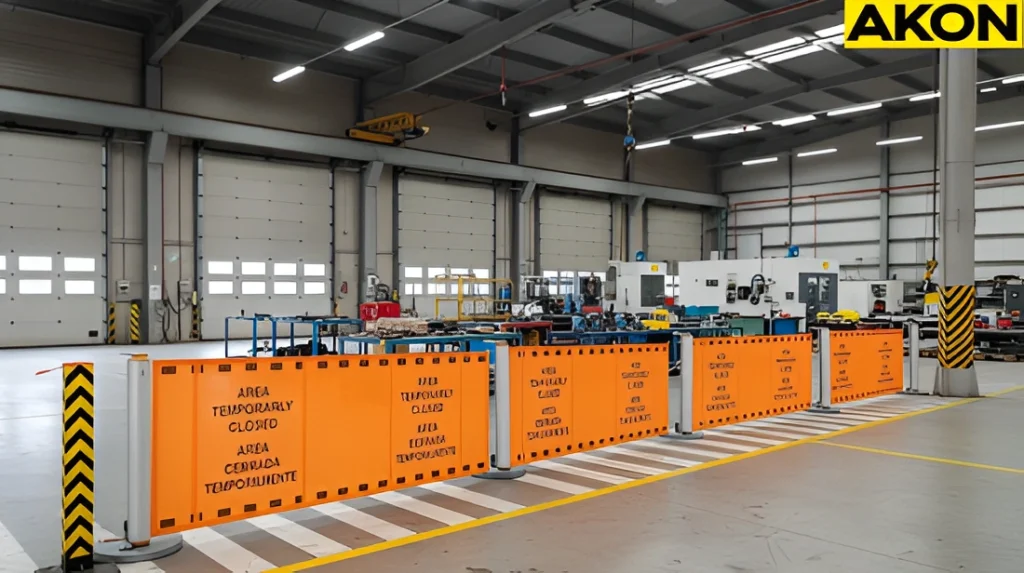
• Ideal for temporary closures, maintenance work, or short-term hazards.
• Supports fast-paced environments without adding setup time.
• Fits facilities that need flexibility across shifts or departments.
Frequently Asked Questions
FAQs: Industrial Retractable Barrier Options for Warehouses
Which retractable barrier mounting option is best for changing warehouse layouts?
Portable retractable barriers are best for changing layouts because they can be moved as work zones shift. Products like the SB4000 portable barrier are commonly used in these situations.
Are portable retractable barriers safe around forklift traffic?
Yes, portable retractable barriers are safe when used to create clear visual separation. The SB4000 is often placed to alert forklift operators to restricted areas.
When should a wall mount retractable barrier be used instead of a portable one?
Wall mount retractable barriers are a better choice when access points stay in the same location. Options like the SB2000 industrial roll up barricade work well for these fixed areas.
Can rack mount retractable barriers be repositioned if storage layouts change?
Rack mount barriers can be repositioned, but changes depend on rack placement. They are best used where rack layouts remain mostly consistent.
Is it common to use more than one type of retractable barrier in a warehouse?
Yes, many warehouses use a mix of barrier types. For example, an SB2000 in fixed areas and an SB4000 for temporary zones.
Do retractable barriers replace cones and caution tape?
In many warehouses, retractable barriers reduce the need for cones and tape. They provide clearer and more reliable visual boundaries.
How quickly can industrial retractable barriers be deployed?
Most industrial retractable barriers can be deployed in seconds. This makes products like the SB-3000 industrial retractable barrier useful during daily operations.
Are retractable barriers suitable for temporary maintenance zones?
Yes, retractable barriers are commonly used for maintenance zones. Portable options such as the SB4000 are especially effective for short-term tasks.
Do wall mount retractable barriers take up floor space?
No, wall mount barriers keep the floor clear when not in use. This makes them useful in narrow aisles and corridors.
Can retractable barriers help guide pedestrian traffic in warehouses?
Yes, retractable barriers are often used to guide foot traffic. The SB-3000 is commonly used where clear separation is needed.
Are industrial retractable barriers difficult for staff to use?
No, most retractable barriers are simple to operate. Many teams learn to use products like the SB2000 with minimal training.
Do retractable barriers work well in high-traffic areas?
Yes, they are frequently used in busy warehouse areas. Proper placement helps maintain visibility and awareness.
Can retractable barriers be used for both safety and access control?
Yes, they are designed to limit access while improving safety awareness. This applies across products like the SB2000, SB-3000, and SB4000.
How durable are industrial retractable barriers in warehouse settings?
Industrial retractable barriers are built for repeated daily use. They are commonly used in active warehouse environments.
Are retractable barriers useful during inspections or audits?
Yes, they are often used to control access during inspections. Portable barriers are especially helpful for temporary control.
Do retractable barriers take long to remove after use?
No, most retractable barriers can be retracted and stored quickly. This supports efficient transitions between tasks.
Can retractable barriers be used near loading docks?
Yes, they are commonly placed near loading docks. The SB-3000 is often used to create clear boundaries in these areas.
Are rack mount barriers only suitable for storage aisles?
They are most common in storage aisles, but they can also be used near racking systems that require access control.
Do retractable barriers help standardize safety practices across shifts?
Yes, consistent visual barriers help reinforce safety expectations. This improves consistency from shift to shift.
How should a warehouse choose between SB2000, SB-3000, and SB4000?
The choice depends on how often zones change, where access needs to be controlled, and how much flexibility is required. Many warehouses use a combination of these options to support different areas.
Photo Gallery
Choosing the Right Retractable Barrier for Your Warehouse
There is no one-size-fits-all retractable barrier solution for warehouses, because every facility operates differently. Portable barriers are best for areas that change often, wall mount options work well for fixed entry points, and rack mount barriers support defined storage and racking zones. When the mounting approach aligns with daily operations, barriers are easier to deploy and more likely to be used consistently. To move forward, explore available options, request guidance, or review your warehouse layout to determine which solution best supports your needs.
The Right Portable Barrier Enhances Your Warehouse