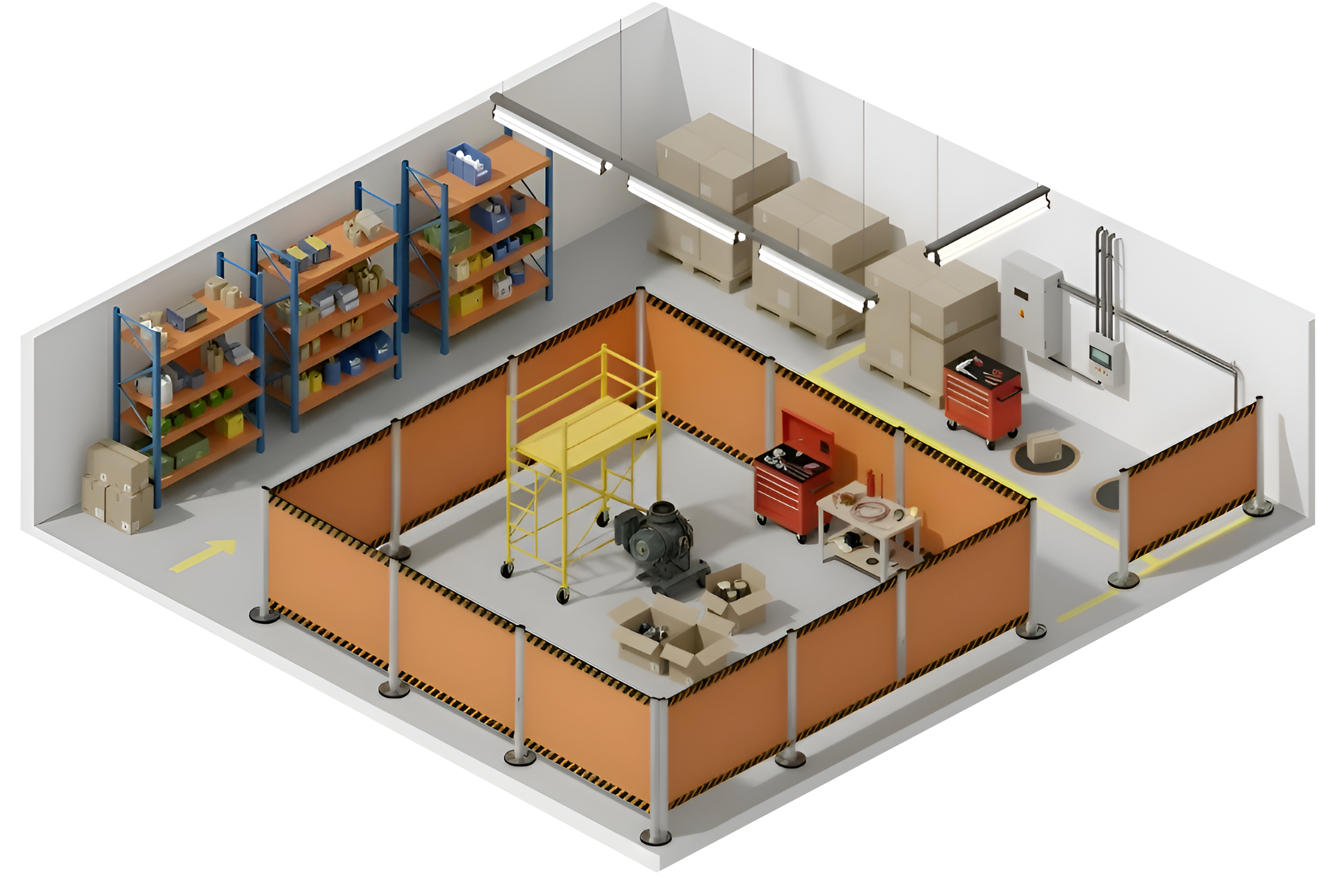
Retractable Barriers for Warehouse Maintenance Zones
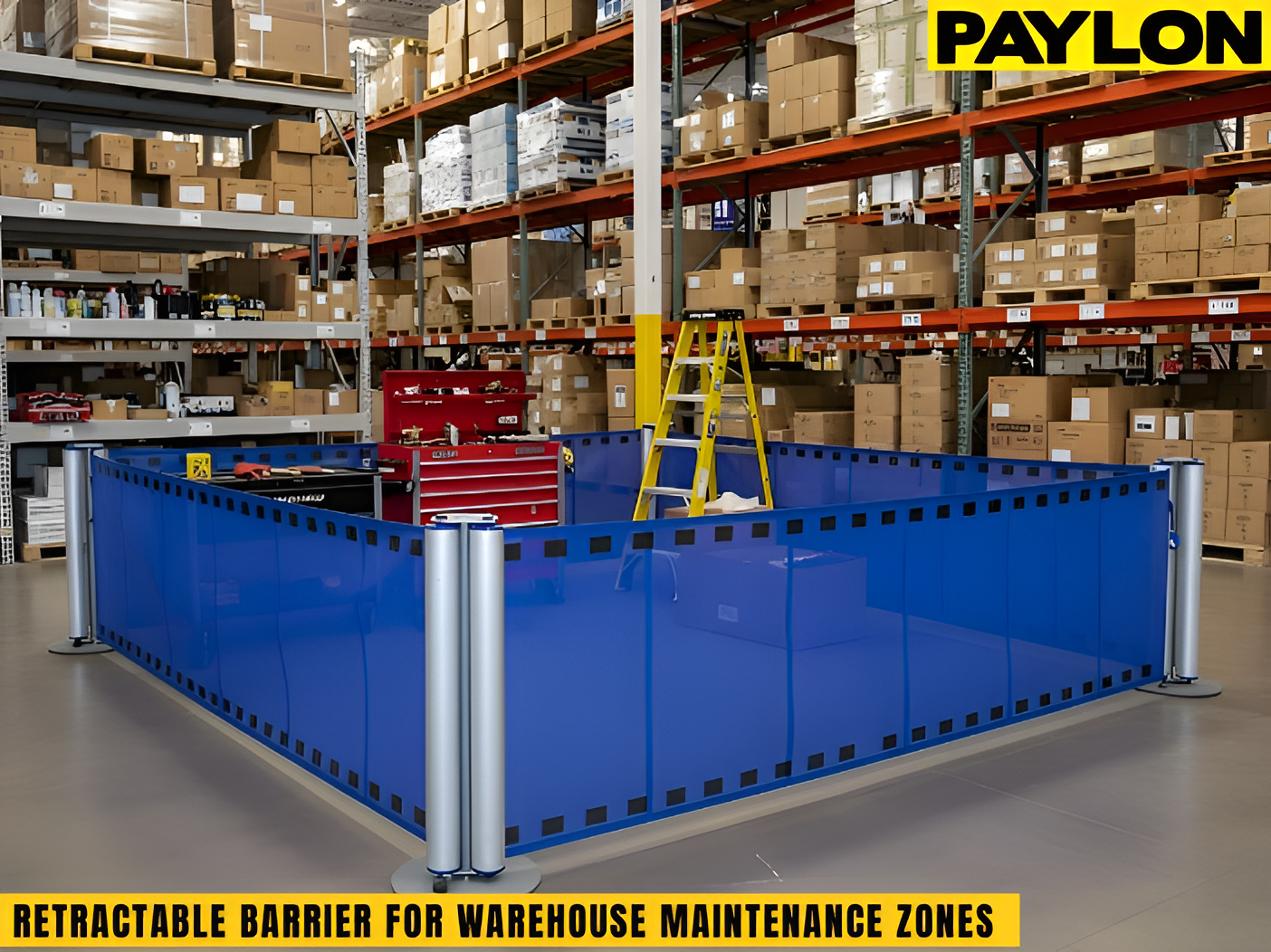
Warehouse maintenance zones are temporary work areas for repairs, inspections, or servicing that frequently change location. These shifting zones often lack clear boundaries, making cones and tape unreliable. This article explains the risks of unclear maintenance areas, highlights the benefits of temporary industrial retractable barriers, compares common safety approaches, reviews product options, and answers common questions.
Why Warehouse Maintenance Zones Need Flexible Safety Control
Warehouse maintenance rarely happens in isolated areas. Repairs, inspections, and servicing tasks often take place while normal warehouse activity continues nearby. As these work zones shift throughout the day, maintaining consistent safety control becomes more difficult in fast-moving environments.
Maintenance Activities Create Constantly Changing Risk Areas
Maintenance work introduces temporary hazards into spaces built for routine warehouse traffic. Equipment may be opened, tools placed on the floor, or surfaces altered during repairs and inspections.
As tasks move forward, the size and location of these risk areas can change quickly throughout the shift. This makes it difficult to maintain consistent safety awareness across the warehouse floor.
Unclear Boundaries Lead to Traffic Conflicts and Disruptions
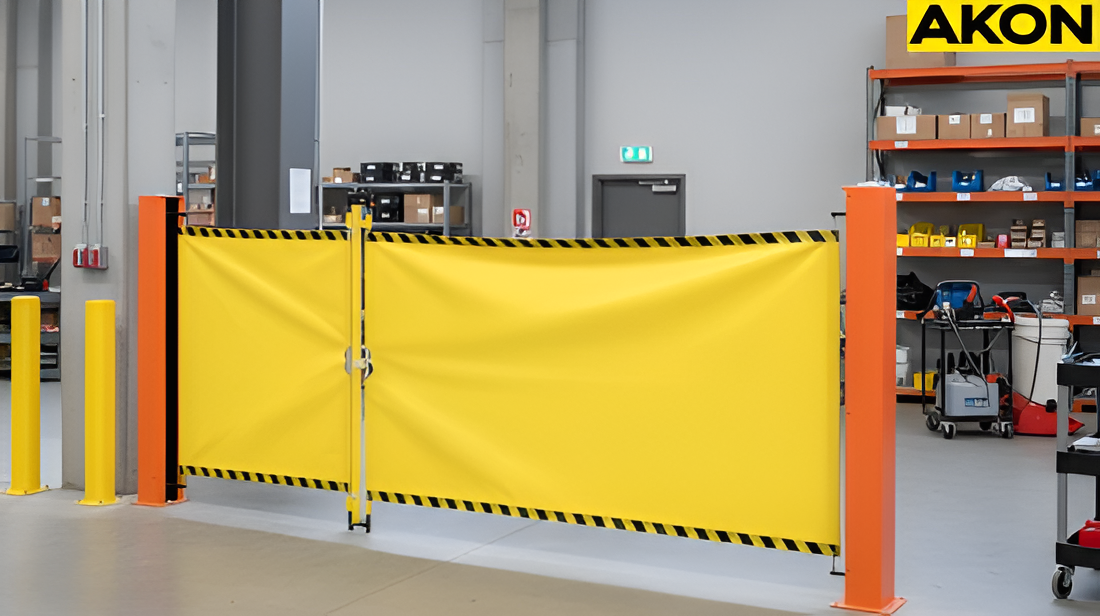
When maintenance zones are not clearly defined, workers and vehicles may enter them without realizing it. Forklift routes can cross active work areas while pedestrians pass through unfinished tasks.
Teams may be forced to pause work to address safety concerns or redirect traffic. These situations increase near misses, slow productivity, and disrupt normal warehouse operations.
Key Benefits of Temporary Industrial Retractable Barriers
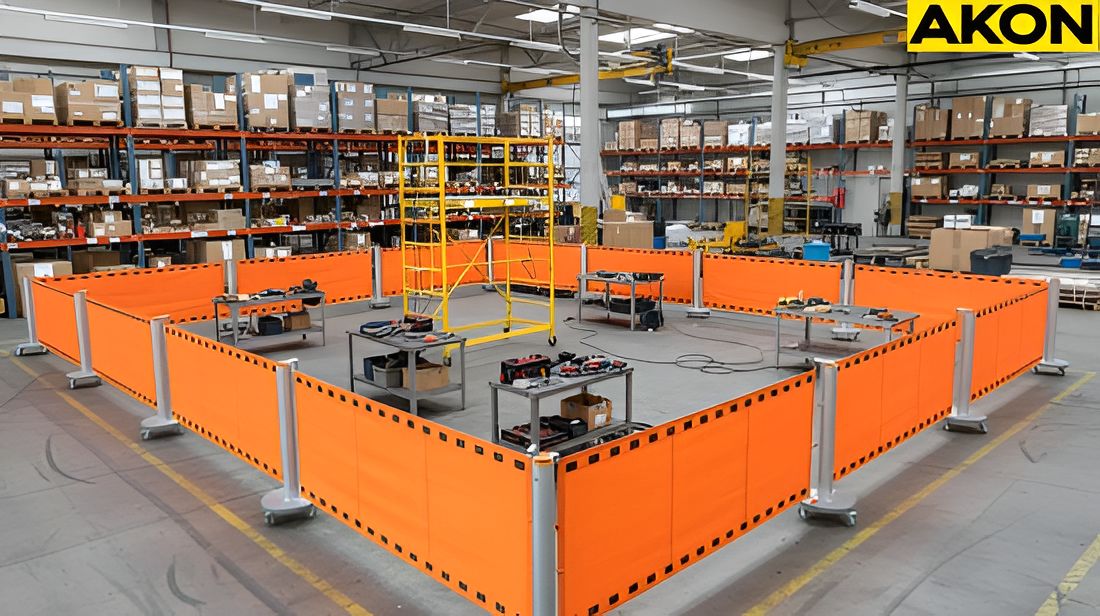
Once maintenance zones are identified, the next step is keeping those areas clearly controlled as work progresses. Temporary industrial retractable barriers provide practical benefits that support safety and workflow without adding friction to daily operations.
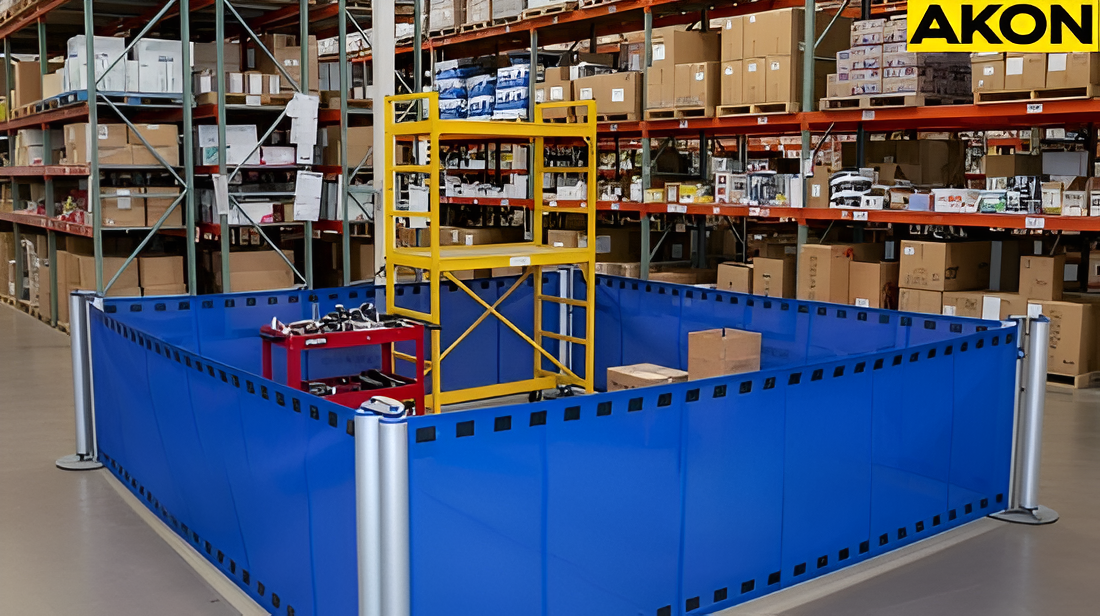
• Faster area control. Teams can secure a maintenance zone as soon as work begins. This helps reduce exposure to temporary hazards before tasks are fully underway.
• Less disruption to operations. Maintenance areas can be contained without shutting down nearby aisles or workflows. This allows surrounding operations to continue safely and efficiently.
• Clear safety expectations. Using the same type of barrier across maintenance tasks creates familiarity. Workers quickly recognize restricted areas and understand when access is limited.
Clear Hazard Control
Creates a clear visual and physical boundary around active maintenance zones to limit unintended access.
Moves With the Job
Allows boundaries to be repositioned easily as maintenance work changes location without tools or permanent installation.
High Visibility in Active Warehouses
Makes restricted areas easy to recognize in busy warehouse environments to support awareness and compliance.
How Retractable Barriers Support Maintenance Work
Understanding how different safety approaches perform during real maintenance work helps clarify why some options are better suited for changing environments. When maintenance zones shift throughout the day, the ability to adjust boundaries quickly and clearly becomes a practical requirement, not just a preference.
| Maintenance Challenge | Traditional Approach | Retractable Barrier Advantage |
|---|---|---|
| Temporary hazard areas | Cones or tape | Strong visual and physical boundary |
| Changing work locations | Fixed rails | Easily repositioned without tools |
| Nearby foot or forklift traffic | Warning signs only | Clear access control and visibility |
| Short term projects | Makeshift solutions | Fast setup and clean removal |
In active warehouses, retractable barriers help reduce confusion by clearly defining where maintenance work begins and ends. They give teams greater control over short-term work areas without slowing surrounding operations. This supports safer maintenance workflows while allowing the facility to remain productive.
Product Options That Support Moving Maintenance Zones
Choosing the right barrier depends on how often maintenance zones move and how much coverage is needed. The following product options are designed to support temporary maintenance areas while fitting different space and workflow requirements.
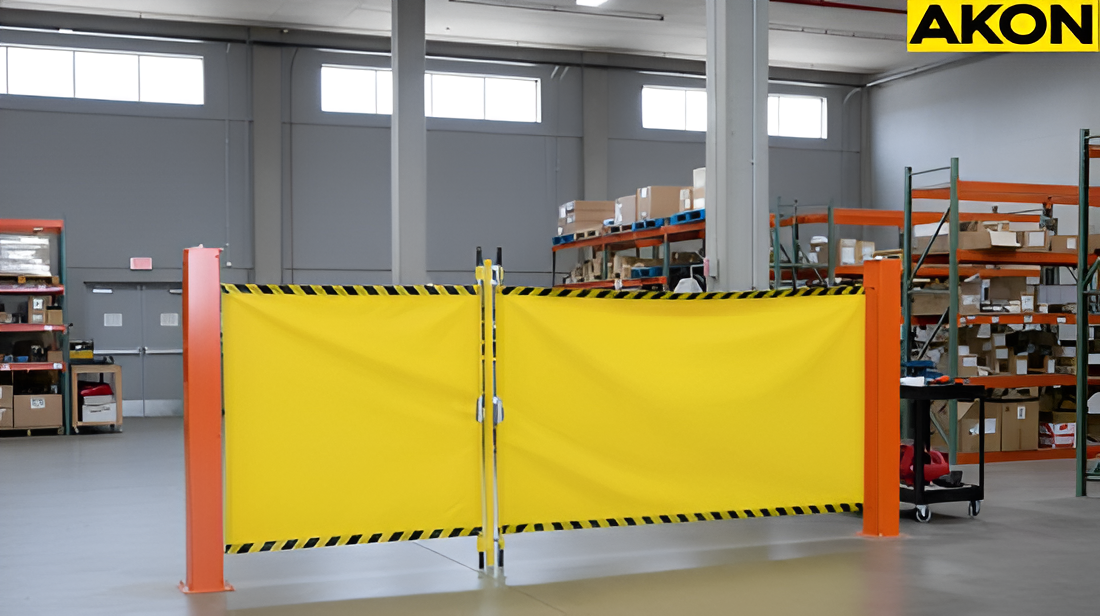
Industrial Roll Up Barricade – SB2000
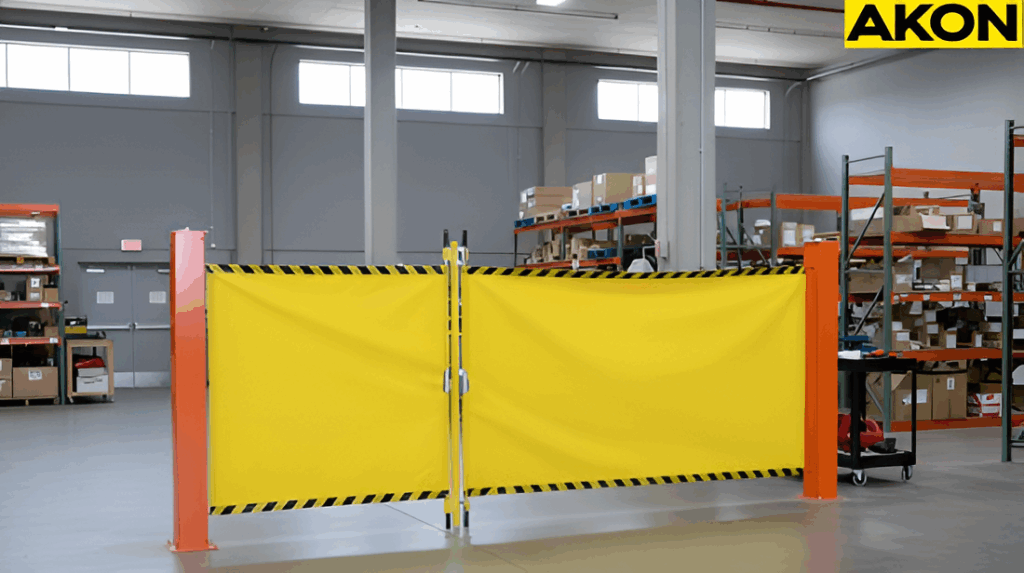
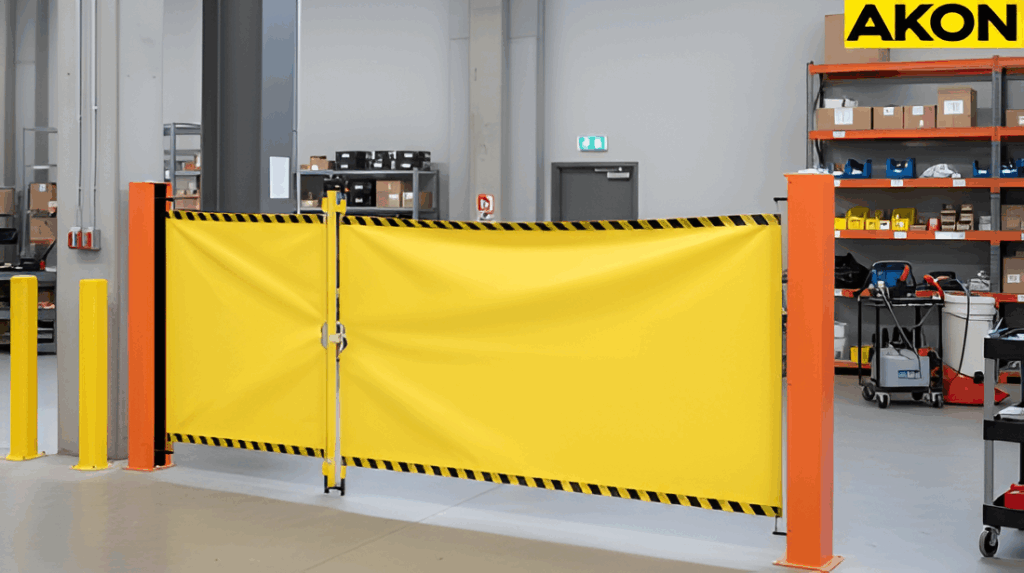
The SB2000 is suited for maintenance areas that need reliable control in a consistent location. It is a practical choice for routine tasks where the barrier is deployed frequently but does not need to travel far.
• Designed for straightforward, short-span maintenance areas.
• Unrolls from a fixed post to secure work zones quickly and consistently.
• Works well for routine repairs or inspections in predictable locations.
• Provides a durable solution without requiring complex installation.
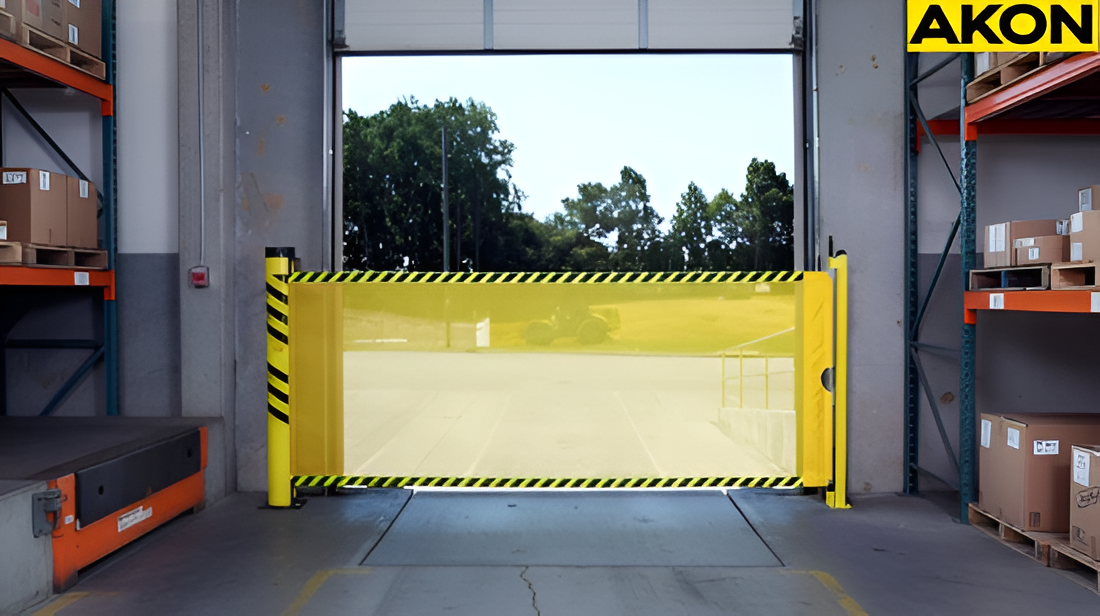
Industrial Retractable Barrier – SB3000
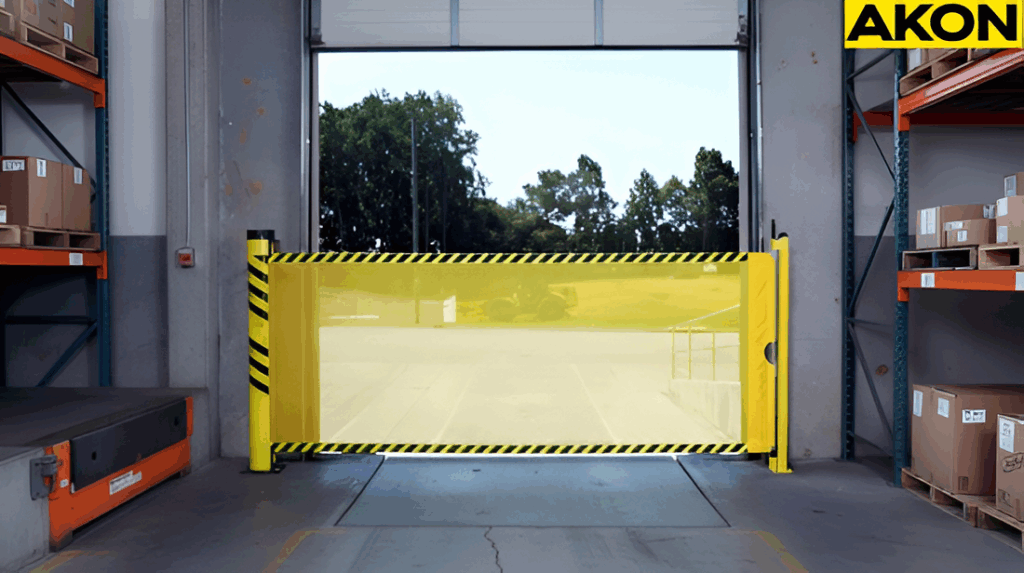
The SB-3000 offers visible separation for a wide range of temporary maintenance situations. It is well suited for facilities that need a simple and dependable barrier without permanent structural changes.
• Provides clear visual separation for maintenance zones and restricted areas.
• Suitable for docks, edges, and temporary hazard locations.
• Manually operated design keeps deployment straightforward and reliable.
• Ideal for facilities looking for effective access control with minimal setup.
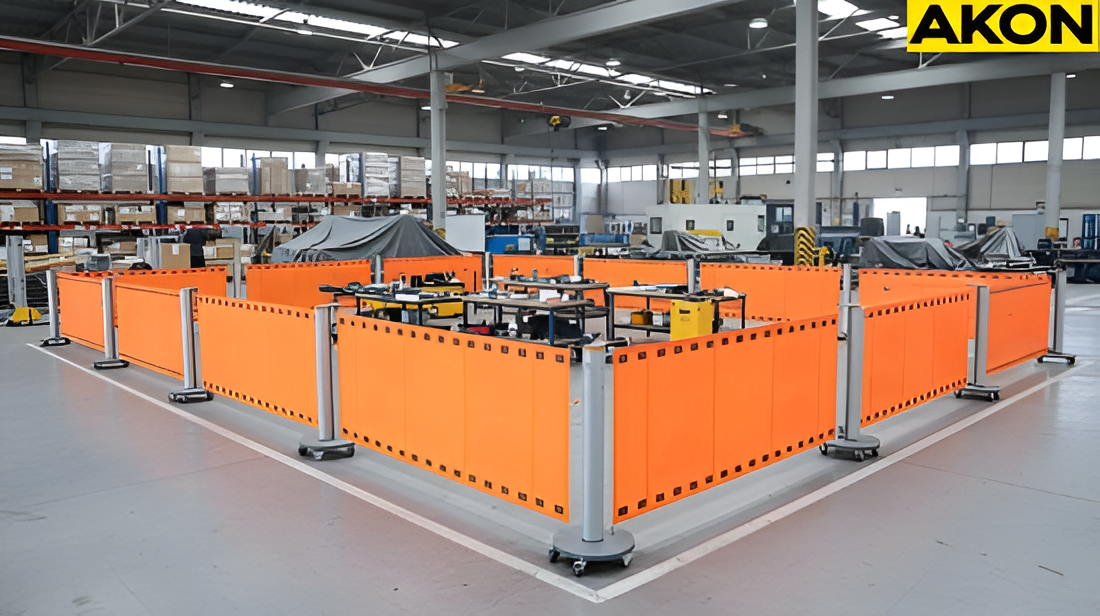
Portable Barrier – SB4000
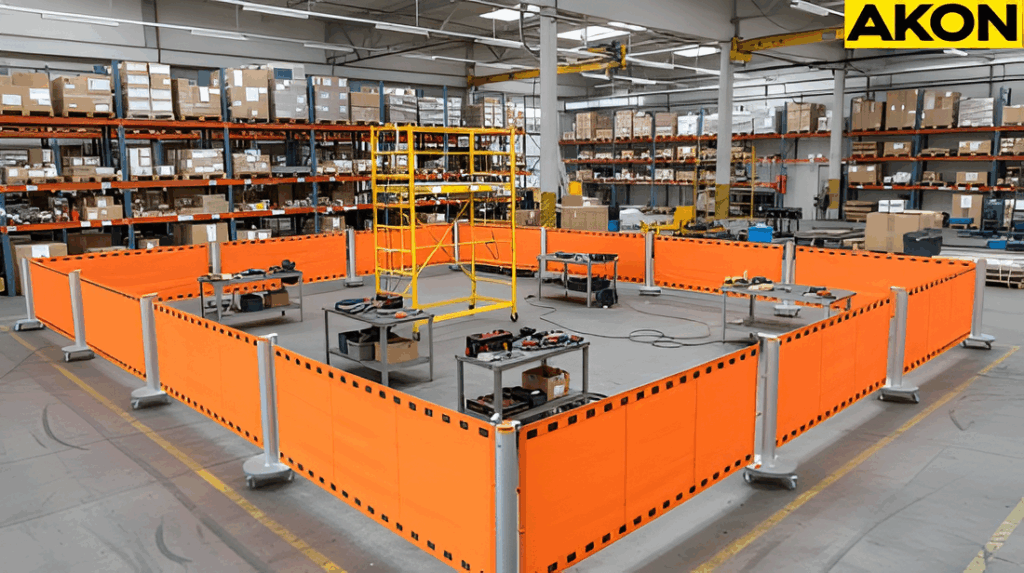
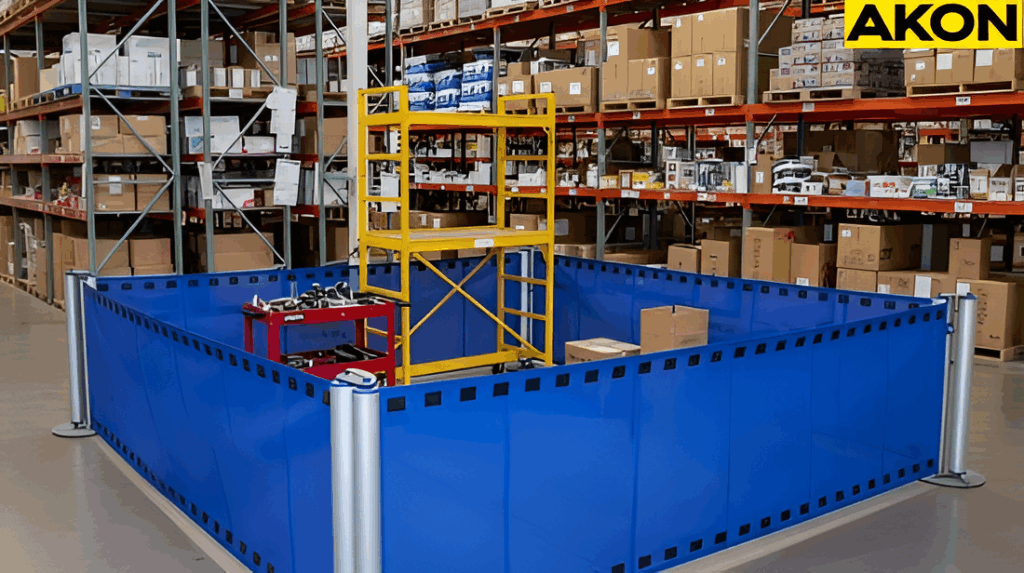
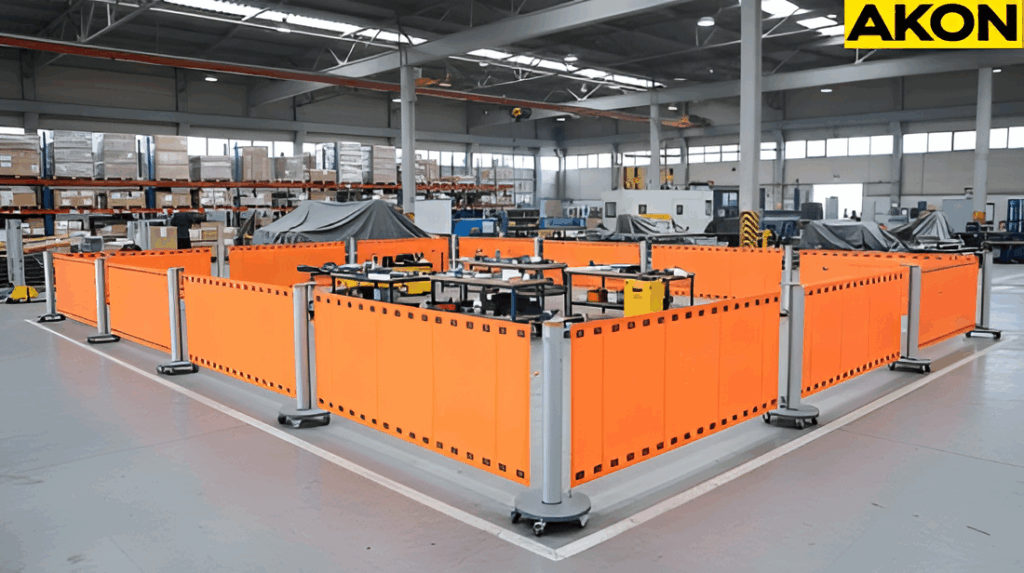
The SB4000 is designed for maintenance zones that change location throughout the day. Its portable configuration allows teams to move and redeploy the barrier wherever work is happening.
• Built for maintenance zones that shift frequently across the warehouse.
• Portable setup allows repositioning across aisles and work areas.
• Creates a more complete visual barrier system when deployed.
• Well suited for facilities managing multiple maintenance tasks per shift.
Frequently Asked Questions
FAQs: Warehouse Maintenance Zones & Retractable Barriers
What makes retractable barriers better than cones or tape for maintenance zones?
Retractable barriers create a consistent, physical boundary that is harder to overlook than cones or tape. Products like the SB2000, SB-3000, and SB4000 stay in place once deployed, helping prevent accidental entry into maintenance zones.
Can retractable barriers be moved while work is still in progress?
Yes, retractable barriers are designed to be adjusted as work conditions change. Portable options like the SB4000 allow teams to reposition boundaries while maintenance is ongoing.
Do retractable barriers require permanent installation or floor anchoring?
Most retractable barrier systems do not require permanent installation. Models such as the SB2000 and SB-3000 can be deployed without anchoring, making them suitable for temporary maintenance areas.
Where are retractable barriers most effective in a warehouse?
Retractable barriers are most effective in areas where maintenance overlaps with traffic. Common locations include aisles, intersections, docks, and equipment service zones.
How do I choose the right retractable barrier for my maintenance needs?
Choosing the right barrier depends on how often the maintenance zone moves and how much coverage is required. Fixed or routine tasks often suit the SB2000, general separation works well with the SB-3000, and frequently shifting zones benefit from the portable SB4000.
Are retractable barriers suitable for short-term maintenance tasks?
Yes, retractable barriers are well suited for short-term maintenance work. They can be deployed and removed quickly without altering the surrounding workspace.
Can retractable barriers be used near forklift traffic?
Retractable barriers are commonly used near forklift routes during maintenance. Their visibility helps signal restricted areas to operators and nearby personnel.
Do retractable barriers slow down warehouse operations?
When used properly, retractable barriers help contain maintenance work without stopping nearby activity. This allows operations to continue while maintaining controlled access.
Are retractable barriers reusable across different maintenance zones?
Yes, retractable barriers are designed for repeated use. Portable systems like the SB4000 can be redeployed across multiple locations within the same facility.
Can one person deploy a retractable barrier?
Many retractable barrier systems are simple enough for one person to set up. This supports faster response when maintenance work begins unexpectedly.
Are retractable barriers only for indoor warehouse use?
Retractable barriers are most commonly used indoors. Some models may also be suitable for covered or protected areas depending on the environment.
How visible are retractable barriers in busy warehouses?
Retractable barriers are designed to stand out visually against warehouse surroundings. This helps workers quickly recognize restricted maintenance zones.
Can retractable barriers support safety compliance efforts?
Retractable barriers support safety procedures by clearly defining restricted areas. Consistent boundaries help teams follow internal safety protocols more reliably.
Are retractable barriers suitable for narrow aisles?
Yes, many retractable barriers work well in narrow aisles. Adjustable lengths allow them to fit different aisle widths without blocking surrounding space.
Can retractable barriers be used during inspections or audits?
Retractable barriers are often used to control access during inspections. They help guide movement and keep unauthorized traffic out of active work areas.
Do retractable barriers require ongoing maintenance?
Most retractable barrier systems require minimal upkeep. Occasional inspections help ensure smooth operation and proper retraction.
Can retractable barriers handle daily or frequent use?
Yes, products like the SB2000 and SB-3000 are built for repeated daily use. Their construction supports frequent deployment in active environments.
Are retractable barriers customizable for specific warehouse needs?
Some retractable barrier systems can include custom printed messaging. This helps communicate site-specific rules or warnings directly on the barrier.
How quickly can retractable barriers be removed once maintenance is complete?
Retractable barriers can usually be cleared within minutes. This allows normal traffic flow to resume quickly after work is finished.
Are retractable barriers a long-term solution for changing maintenance zones?
Yes, many warehouses use retractable barriers as a long-term tool for managing temporary maintenance areas. Their flexibility supports ongoing maintenance needs without permanent changes to the facility.
Photo Gallery
Supporting Safer Maintenance in Active Warehouse Environments
Warehouse maintenance zones are constantly changing as work shifts from one area to another. Having a safety approach that adapts to those changes helps maintain clear control without slowing daily operations. Temporary industrial retractable barriers provide a reliable way to manage moving maintenance areas by supporting safety, visibility, and flexibility in busy warehouse settings. With adaptable safety solutions in place, facilities can protect people while keeping operations running smoothly.
Flexible Safety Boundaries