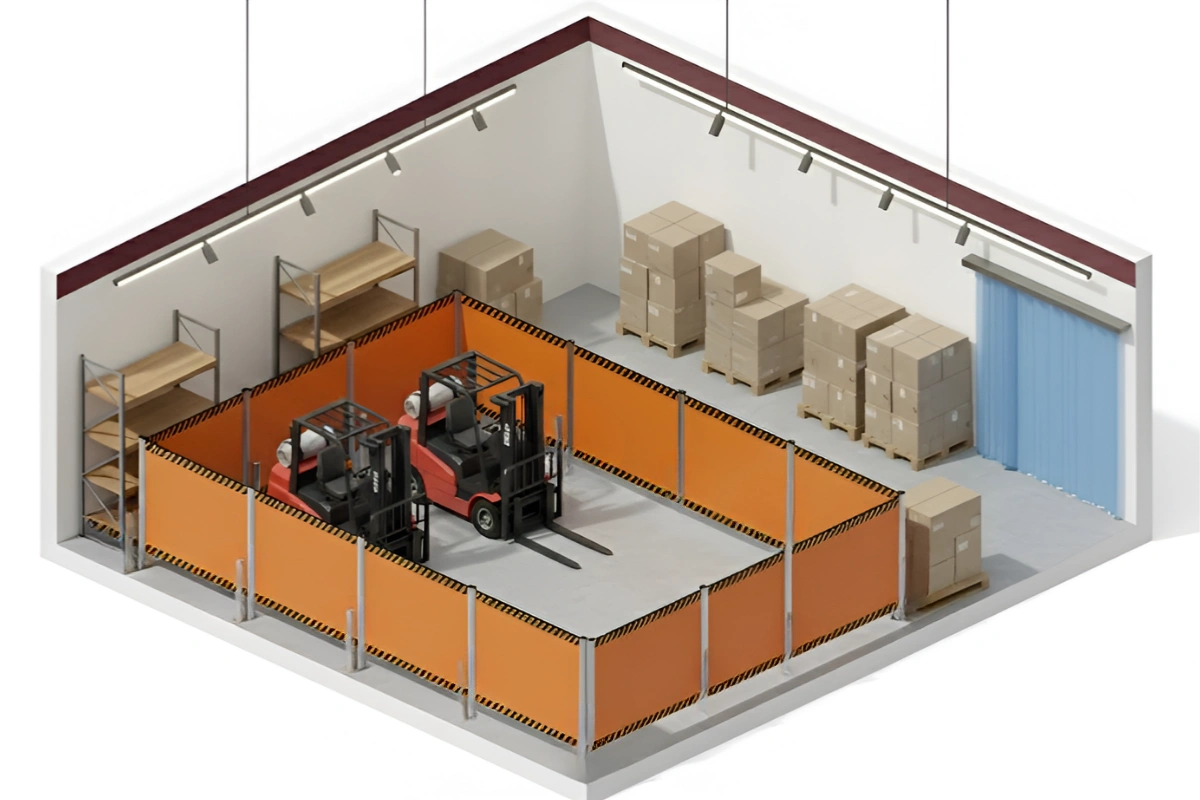
Warehouse Retractable Barrier
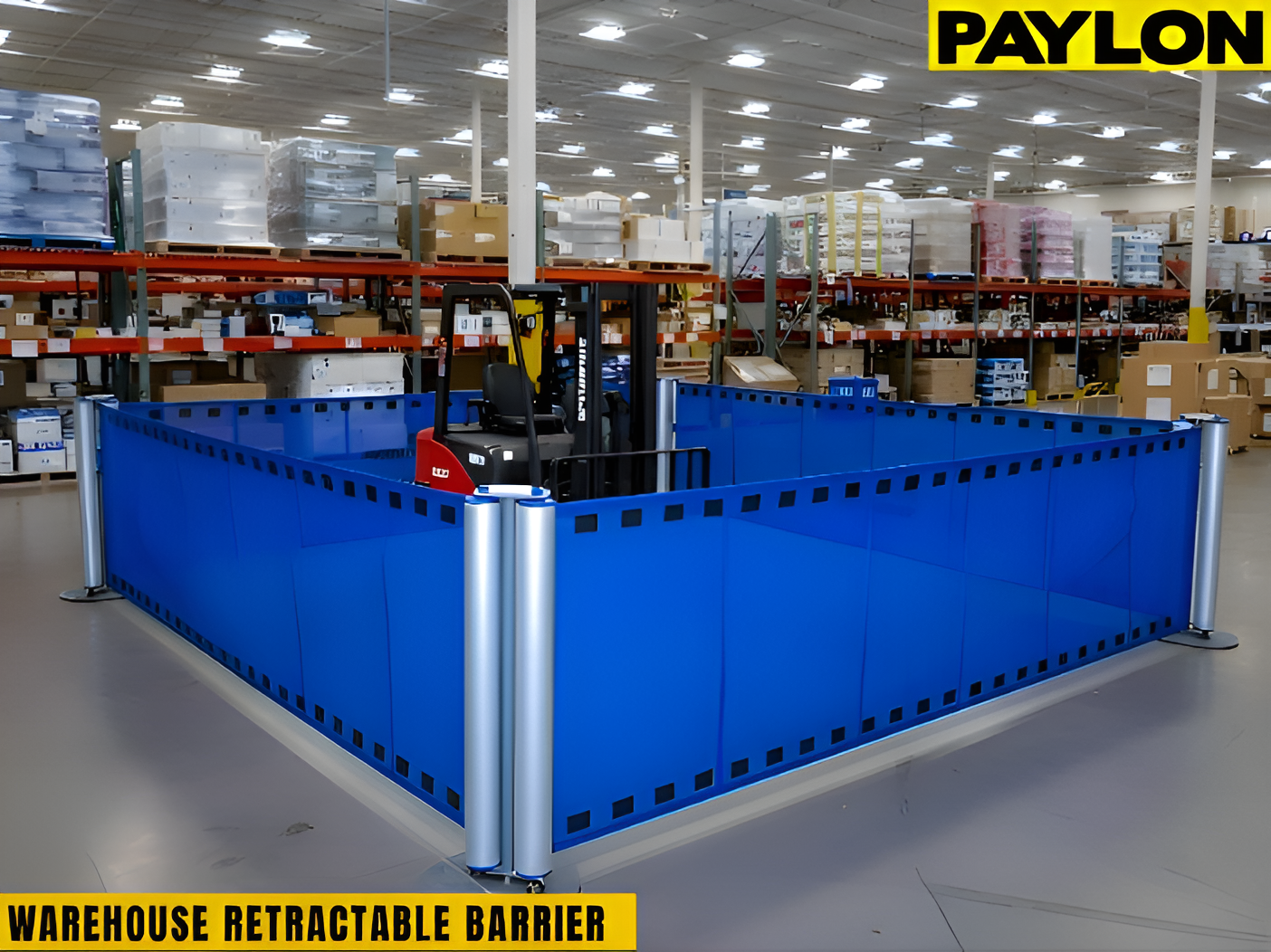
Warehouse safety often begins with cones and tape, but these tools are not always enough in active environments. When cones and tape fall short, retractable barriers provide better control and safety. This article explains where cones still work, where their limits appear, and how to choose the right barrier solution based on risk, traffic, and daily warehouse activity.
Why Cones and Tape Are Still Used in Warehouses
Even as warehouse operations evolve, cones and tape continue to be part of everyday safety practices. Their simplicity and familiarity make them a practical choice in situations where quick visual guidance is all that is needed.
Useful for Low-Risk, Short-Duration Situations
Cones and tape are well suited for low-risk areas where the goal is awareness rather than restriction. They are commonly used during brief cleanups, short inspections, or temporary adjustments that will be resolved quickly.
In these cases, a visual signal helps alert workers without interrupting normal movement or tasks. This makes them easy to deploy when speed and simplicity matter most.
Clear Visual Cues in Predictable Work Areas
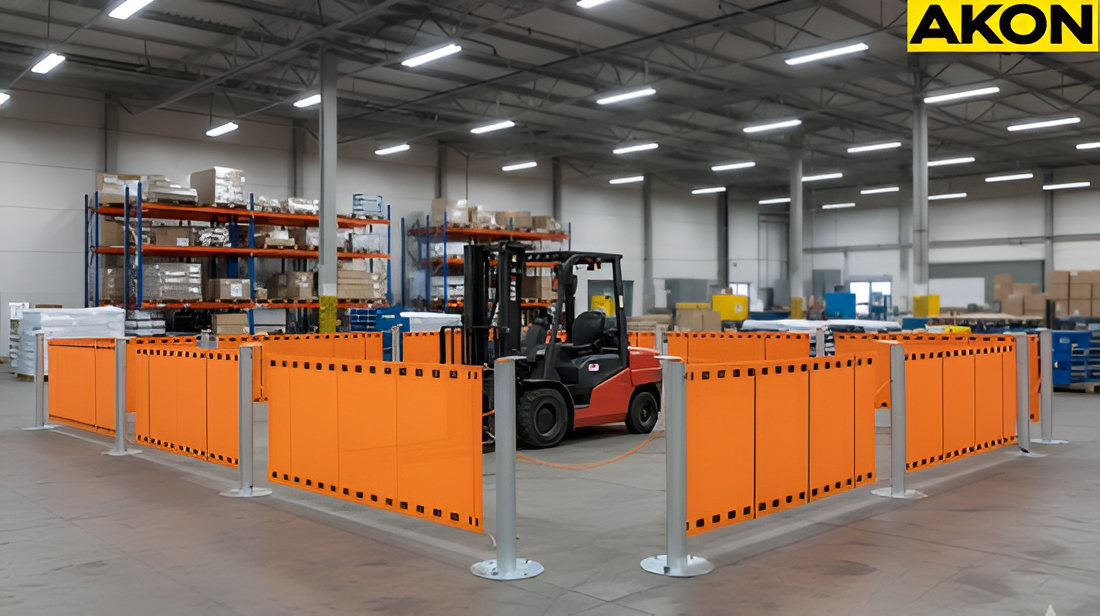
In areas with light traffic and predictable activity, cones and tape provide clear visual cues that workers immediately recognize. Because these markers are widely understood, they communicate caution quickly and consistently.
When conditions are stable, they support safety awareness while keeping workflows simple and efficient. This familiarity helps teams respond without needing additional instruction or setup.
Where Cones and Tape Fall Short in Busy Warehouses
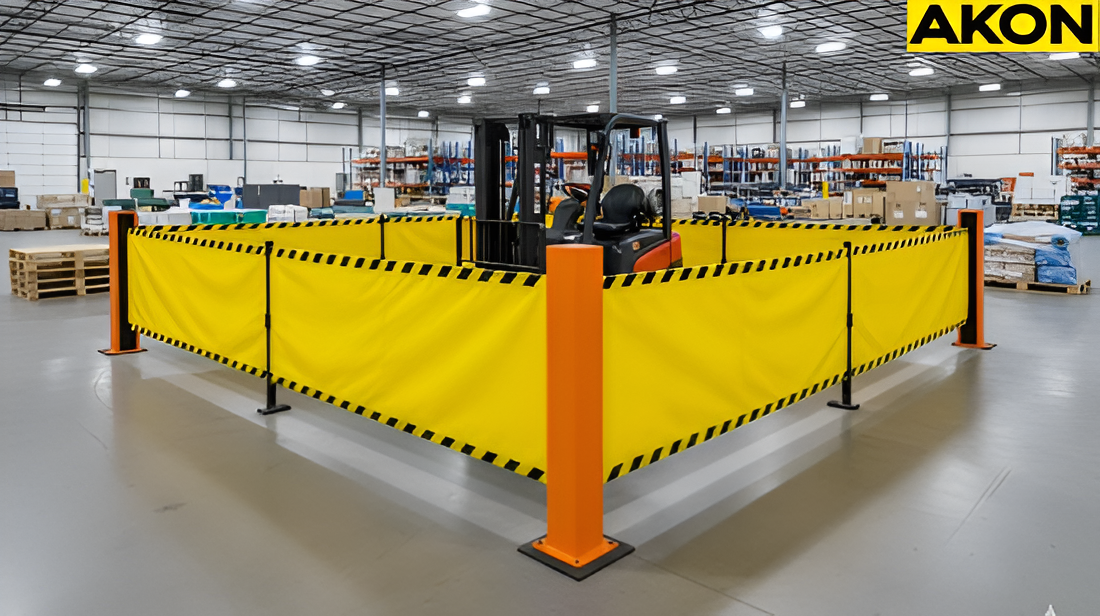
As warehouse activity increases, movement becomes faster and less predictable. Tools that work well in calm, controlled areas often struggle once foot traffic, equipment, and daily operations overlap. In these environments, cones and tape reveal limitations that affect both safety and workflow.
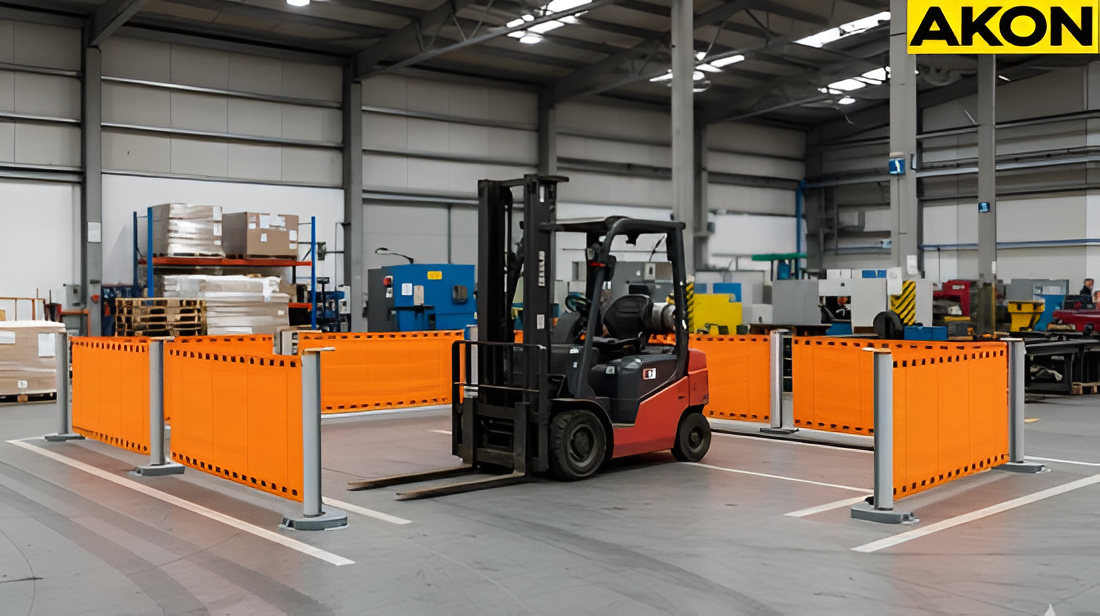
• Constant supervision is required. Someone must regularly check that cones remain upright and tape stays visible. When this does not happen, hazard zones can quickly lose definition without immediate notice.
• Effectiveness depends on perfect awareness. Workers must consistently notice and respect visual markers, even during busy or high-pressure moments. In fast-moving environments, attention is often divided, which reduces reliability.
• Authority is unclear. Cones and tape signal caution but do not clearly communicate restricted access. This can lead to hesitation, confusion, or inconsistent compliance across teams.
Limited Physical Presence
Cones and tape rely only on visual cues, which makes it easy for workers or vehicles to pass through marked areas without realizing the risk.
Low Durability
Tape can tear, sag, or be removed during routine activity, and cones are easily shifted or knocked over as work continues.
Poor Control in High-Traffic Zones
In areas with forklifts and steady foot traffic, cones and tape do not clearly stop movement or guide behavior.
Retractable Barriers vs Cones and Tape
After knowing where cones and tape struggle in busy warehouse environments, the next step is comparing how each option functions at a practical level. This section is designed to help decision-makers quickly evaluate which approach aligns with their safety needs, based on how space is used and how much activity is taking place.
| Factor | Cones and Tape | Retractable Barriers |
|---|---|---|
| Visibility | Provide basic visual notice | Create a more defined and noticeable boundary |
| Physical Presence | Act as visual markers only | Establish a clear physical line that stands out |
| Durability | Easily disturbed during daily activity | Designed to remain effective during routine operations |
| Setup Flexibility | Simple to place and remove | Quick to deploy and reset as needed |
| Typical Use | Low-risk, short-term alerts | Higher-traffic or more active work areas |
This comparison helps clarify when visual markers are sufficient and when a more structured barrier is appropriate. By matching the barrier type to traffic levels and activity patterns, warehouses can maintain safer, more controlled environments without overcomplicating daily operations.
Recommended Retractable Barrier Solutions for Warehouse Safety
Once a more defined boundary is needed, selecting the right retractable barrier depends on how often the space changes and how much control the area requires. The options below support different warehouse conditions without adding permanent structures or slowing daily operations.
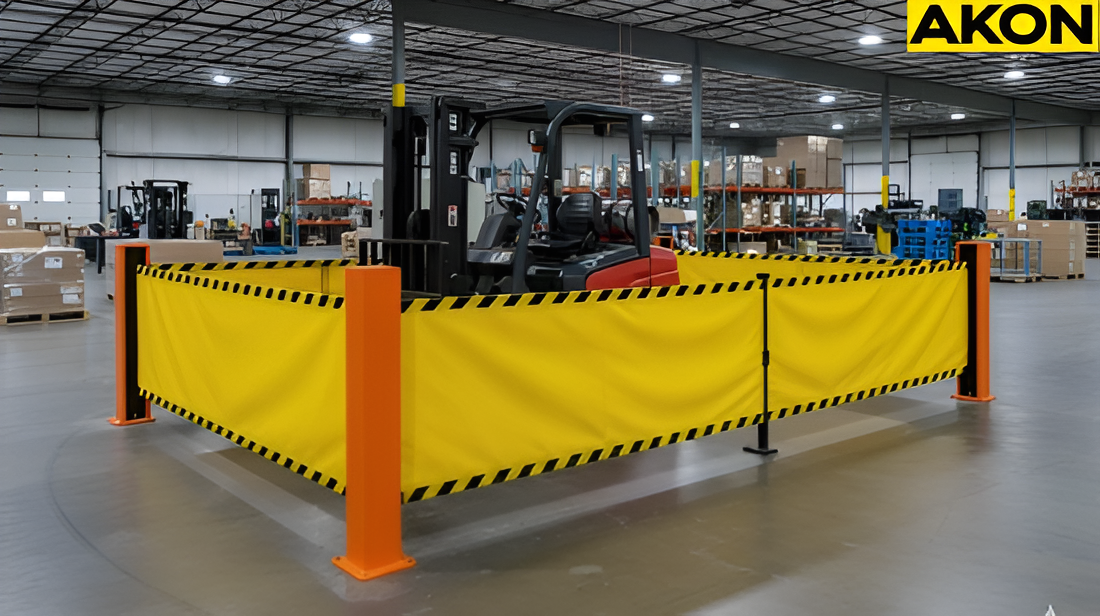
Industrial Roll Up Barricade – SB2000
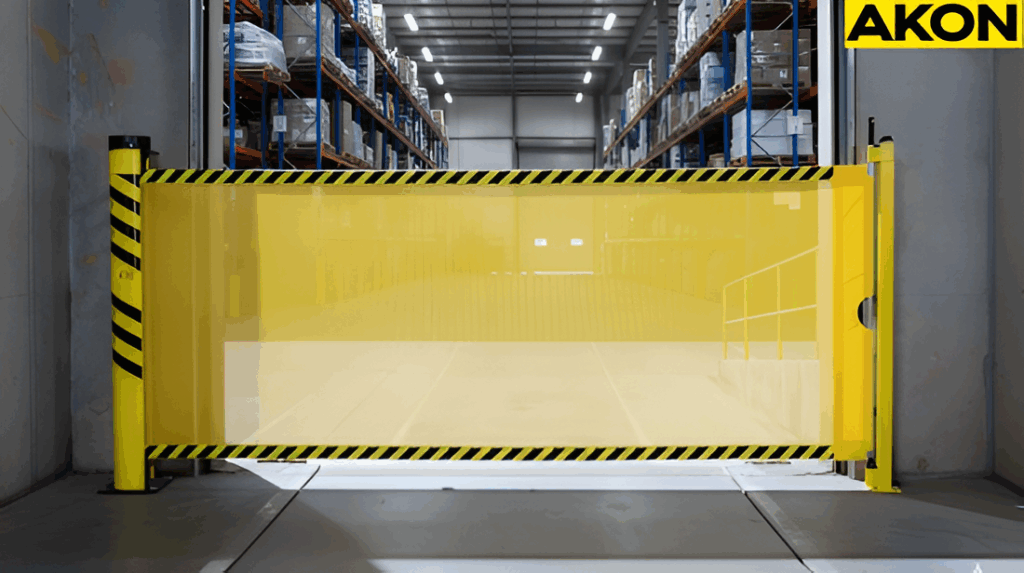
The SB2000 is designed for areas that need dependable access control that can be opened and closed as operations change. It provides a structured way to restrict entry while remaining flexible for ongoing use.
• Creates a defined barrier that unrolls when access needs to be restricted.
• Suitable for areas that require regular closure and reopening during operations.
• Helps secure spaces where cones and tape are no longer reliable.
• Built for repeated use in industrial environments.
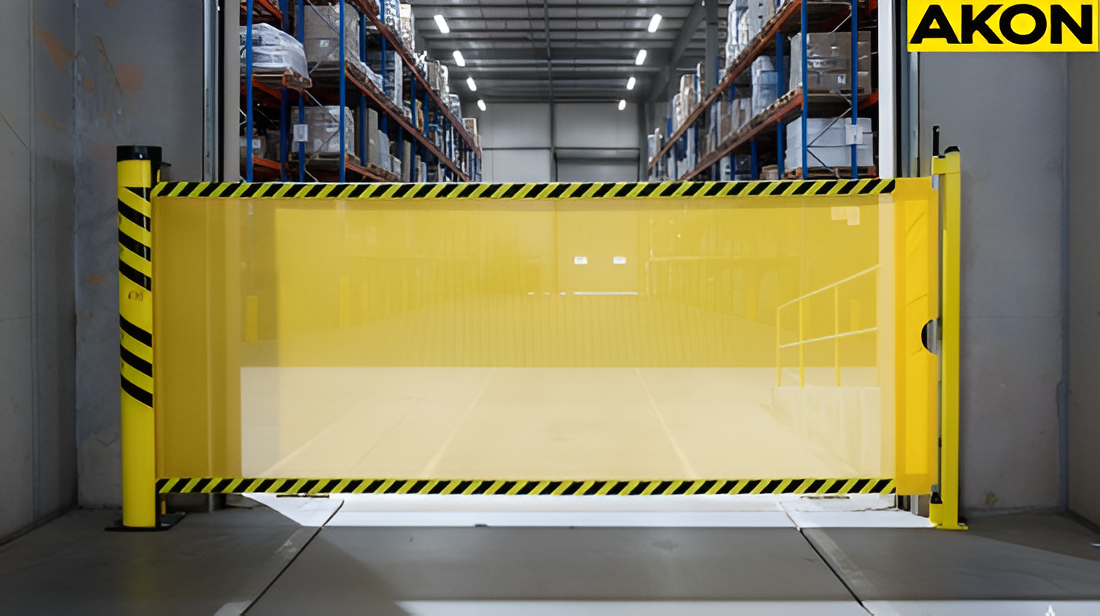
Industrial Retractable Barrier – SB3000
The SB3000 offers controlled separation for locations where access needs to be managed without interrupting workflow. It works well in spaces that benefit from a clear boundary that can be adjusted throughout the day.
• Provides a visible separation that can be extended or retracted as needed.
• Well suited for narrow aisles, dock edges, or defined access points.
• Offers clearer guidance than basic visual markers alone.
• Supports consistent use in active warehouse areas.
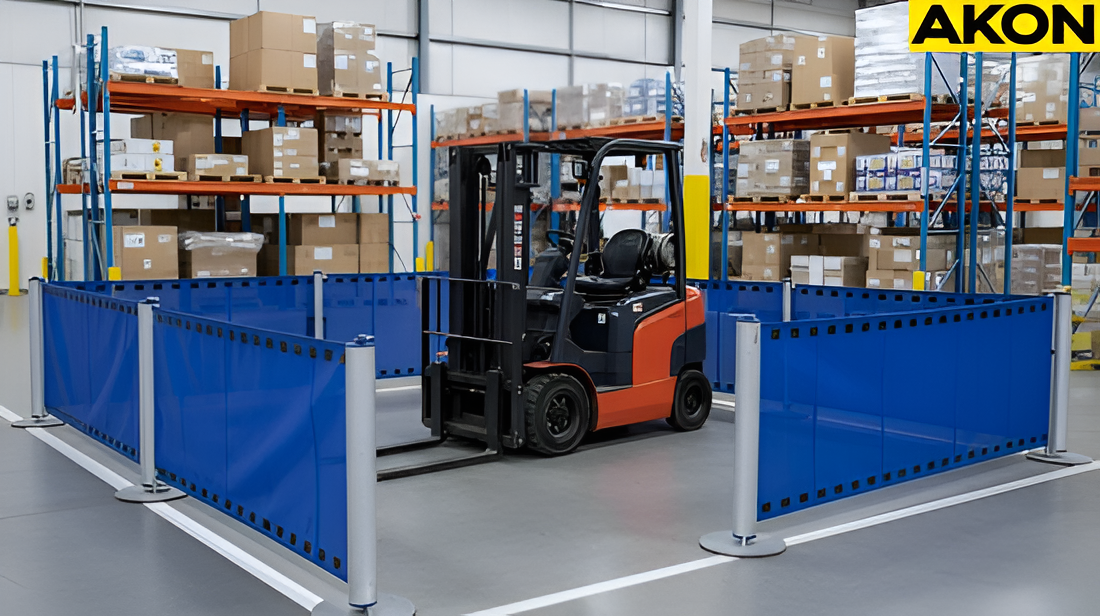
Portable Barrier – SB4000
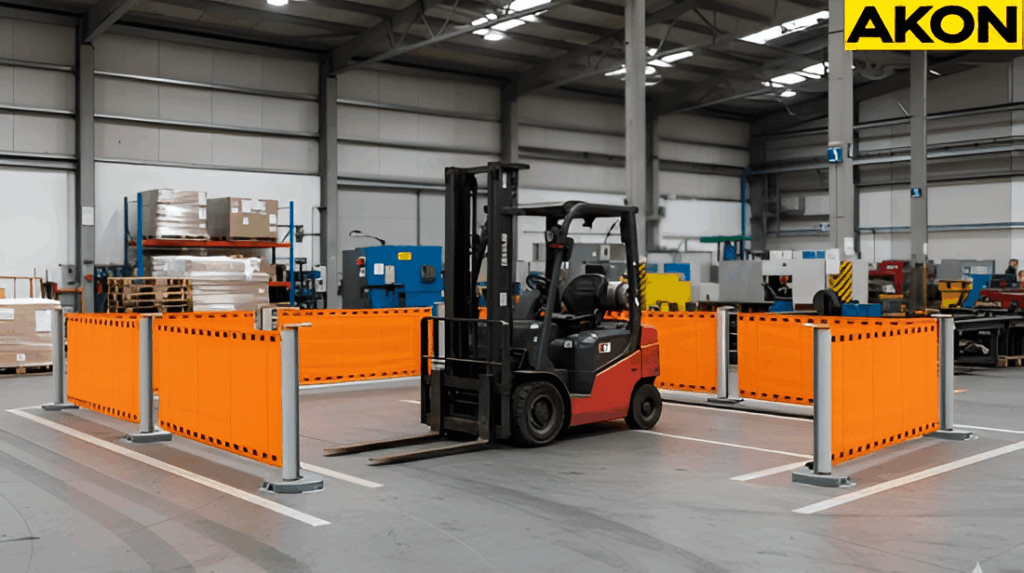
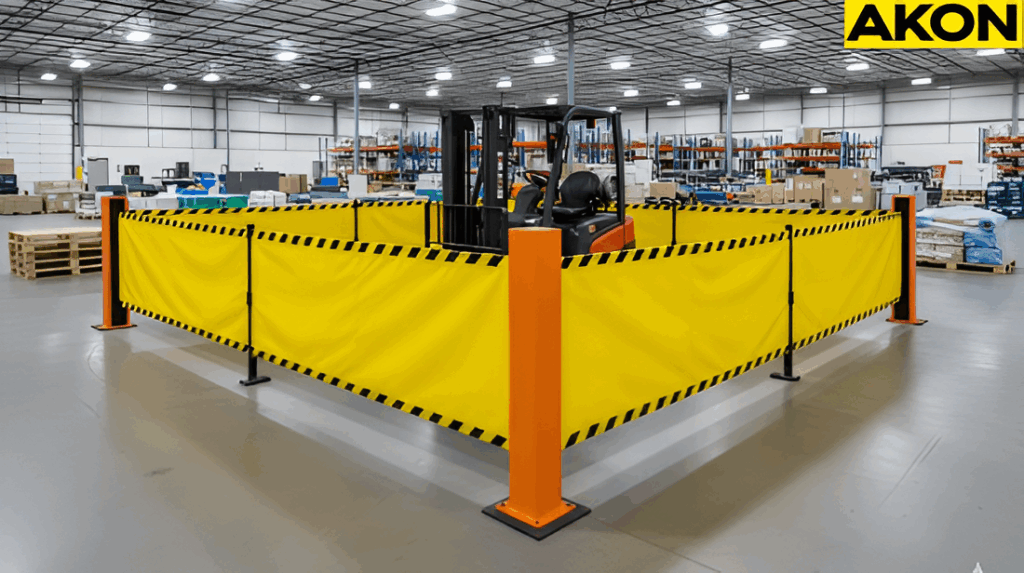
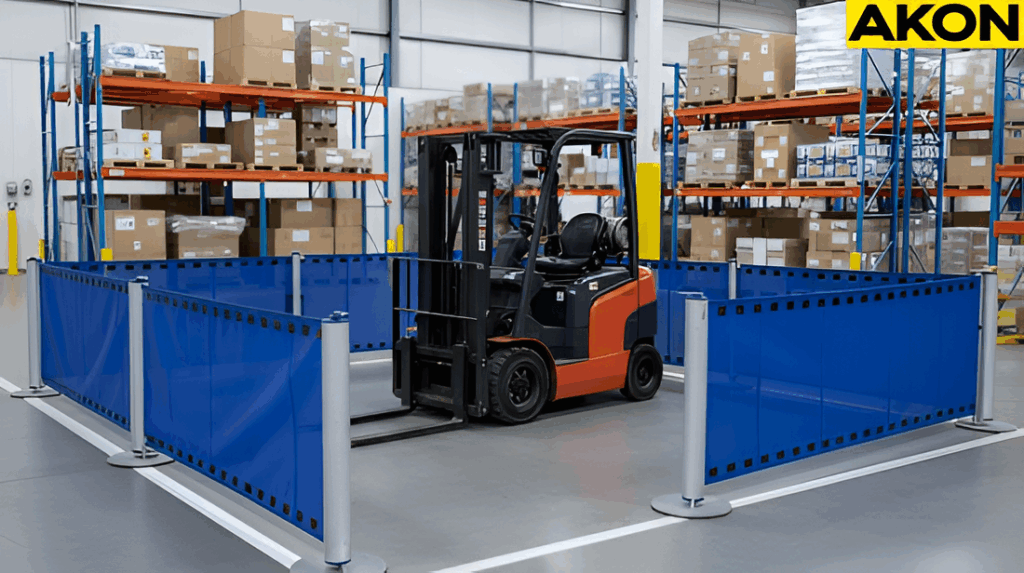
The SB4000 is a portable solution designed for flexibility in fast-changing warehouse environments. It allows teams to establish controlled zones quickly without permanent installation.
• Enables quick setup of restricted areas without fixed mounting.
• Easy to reposition as work zones or traffic patterns change.
• Useful for temporary closures, maintenance areas, or shifting workflows.
• Helps maintain safety while keeping operations moving efficiently.
Frequently Asked Questions
FAQs About Warehouse Safety Barriers
When should cones and tape be replaced with a retractable barrier in a warehouse?
When an area experiences frequent traffic or repeated access control needs, retractable barriers provide clearer separation. Industrial roll up barricades and portable barriers are commonly used in these situations.
Are retractable barriers considered temporary or permanent solutions?
Most retractable barriers are temporary by design, but they are often used repeatedly in the same locations. Systems like the SB2000 and SB3000 support long-term use without permanent construction.
Can retractable barriers be used near forklifts in warehouse environments?
Yes, retractable barriers are commonly used near forklift paths to help define restricted zones. Portable barriers like the SB4000 are especially useful where traffic patterns change.
Are retractable warehouse barriers reusable?
Yes, retractable barrier systems are designed for repeated extension and retraction. Products such as the SB2000, SB3000, and SB4000 are built for ongoing daily use.
Do retractable barriers slow down warehouse operations?
No, they are designed to create clear boundaries quickly while allowing normal workflow to continue. When placed correctly, they improve organization without causing delays.
Are retractable barriers suitable for loading dock areas?
Yes, retractable barriers are often used near loading docks to define restricted zones when doors are open or inactive. Industrial retractable barriers like the SB3000 are commonly applied in these areas.
How do retractable barriers help with pedestrian safety?
They provide a visible and defined boundary that helps guide pedestrian movement. This is especially useful in shared spaces with equipment traffic.
Can retractable barriers be moved if warehouse layouts change?
Portable options like the SB4000 allow easy repositioning as layouts evolve. Other retractable systems can be relocated or adjusted as operational needs change.
Are retractable barriers easy for warehouse staff to operate?
Yes, most retractable barriers are simple to extend and retract. Minimal training is typically required for daily operation.
Do retractable barriers require floor anchoring?
Some models are mounted, while others are portable and do not require anchoring. The SB4000, for example, is designed for flexible placement without permanent installation.
Are retractable barriers appropriate for temporary maintenance zones?
Yes, they are often used to define maintenance areas during repairs or inspections. Portable barrier systems work well for short-term access control.
Can retractable barriers be used indoors and outdoors?
Many retractable barriers are suitable for indoor use and covered outdoor environments. Usage depends on the specific model and site conditions.
How visible are retractable barriers compared to cones and tape?
Retractable barriers typically create a more continuous and noticeable boundary. This helps improve awareness in active warehouse spaces.
Are retractable barriers used in workplace safety programs?
Yes, they are commonly included as part of broader safety planning. Industrial roll up barricades are often specified in facility safety documentation.
Can retractable barriers be included in procurement or project specifications?
Yes, products like the SB2000, SB3000, and SB4000 are frequently referenced in project bids and safety planning documents.
Do retractable barriers replace permanent guardrails or fencing?
No, they are intended as flexible solutions where permanent structures are not practical. They support temporary or adjustable access control.
How much space do retractable barriers take when not in use?
When retracted, they occupy minimal space and do not interfere with movement. This makes them suitable for tight warehouse environments.
Are retractable barriers suitable for narrow aisles?
Yes, retractable barriers are often used in narrow aisles where cones or tape may create clutter. Industrial retractable barriers help maintain clear pathways.
Can retractable barriers be used across walkways?
Yes, they are commonly used to temporarily restrict walkways during specific tasks or operational changes.
How do I choose between the SB2000, SB3000, and SB4000 for my warehouse?
The best choice depends on how fixed or flexible the area needs to be. The SB2000 suits repeat-use zones, the SB3000 supports controlled access points, and the SB4000 works well for portable and changing areas.
Photo Gallery

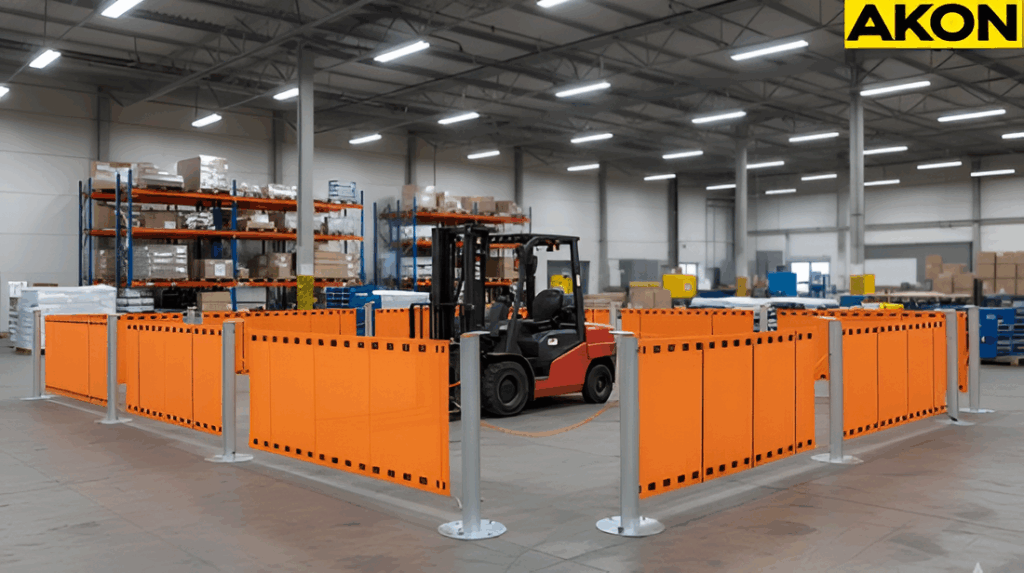
Choosing the Right Safety Barrier for Your Warehouse
Choosing the right safety barrier starts with understanding how your warehouse functions on a daily basis. Areas with higher traffic, frequent movement, or ongoing activity often require clearer control than cones and tape can provide. By selecting barriers based on risk level, traffic patterns, and activity demands, warehouses can create safer environments while keeping operations efficient and well organized.
Warehouse Safety Zone