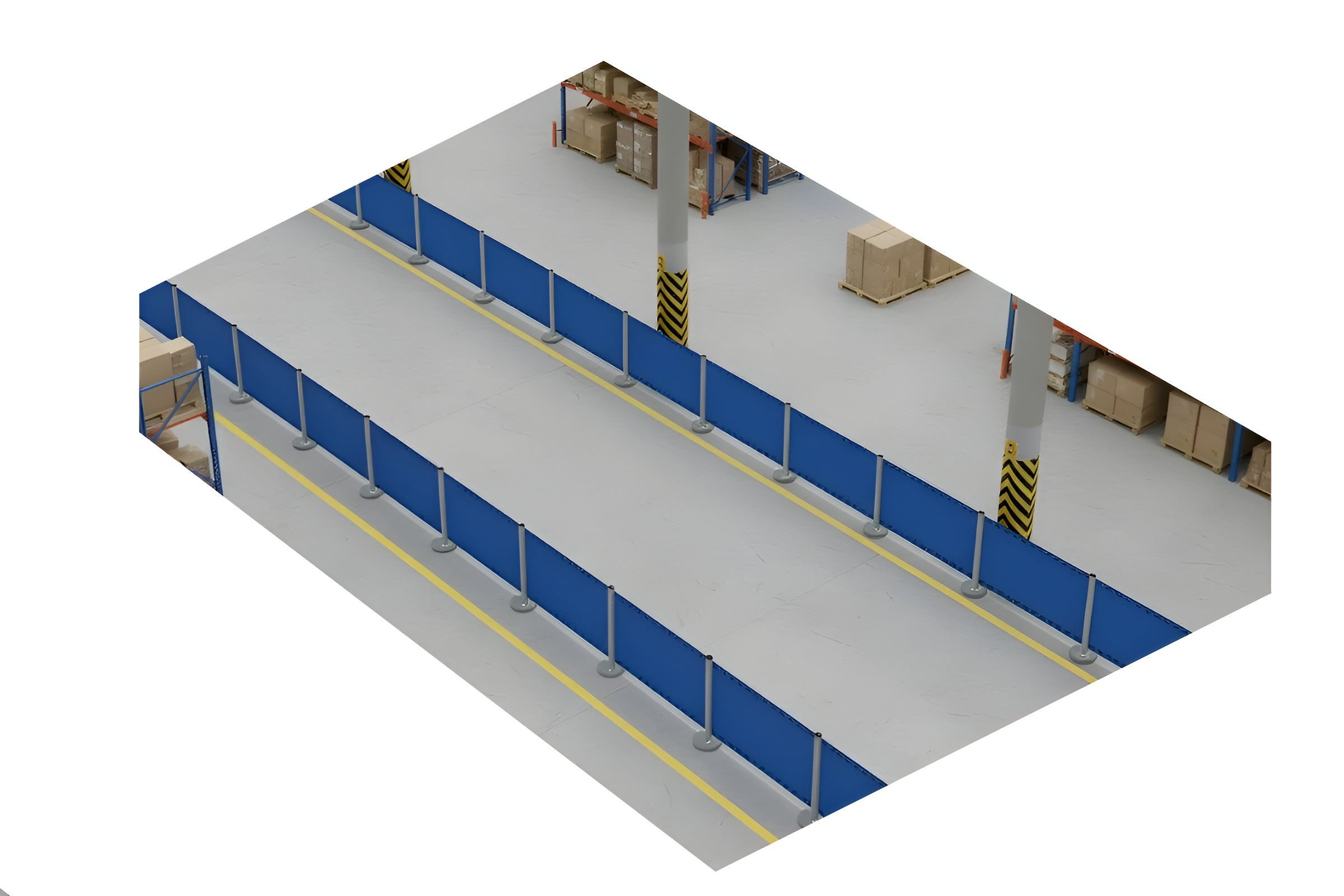
Retractable Barriers for Visitor Walkways
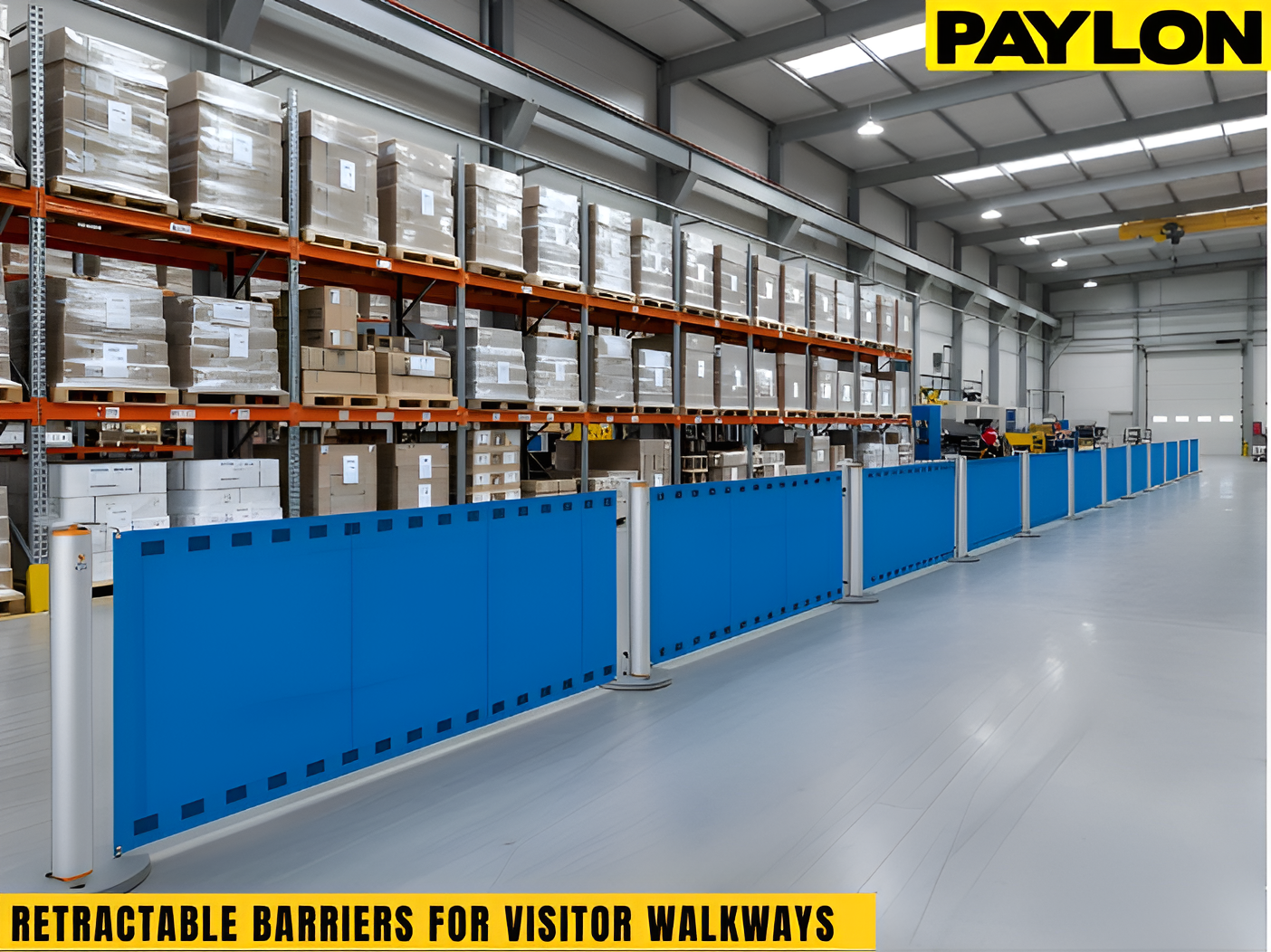
Warehouses are active environments that can be difficult for visitors to navigate. Clear visitor walkways help guide foot traffic through these spaces. This article covers why visitor walkways matter, how retractable barriers are used to guide foot traffic, how they compare to other options, and which solutions work best in warehouse settings.
Why Visitor Walkways Matter in Warehouse Environments
Warehouse operations move quickly and change often throughout the day. Visitors enter these spaces without the experience or familiarity that regular staff have, which makes it harder for them to recognize where it is safe to walk and where active work is taking place.
Visitors Are Unfamiliar With Active Work Areas
Forklift routes, staging zones, and shared aisles are not always obvious to someone visiting a warehouse for the first time. Areas that look open can still be part of daily operations.
Without clear direction, visitors may hesitate, pause unexpectedly, or step into spaces that are actively being used. This uncertainty makes it harder for visitors to move confidently through the facility.
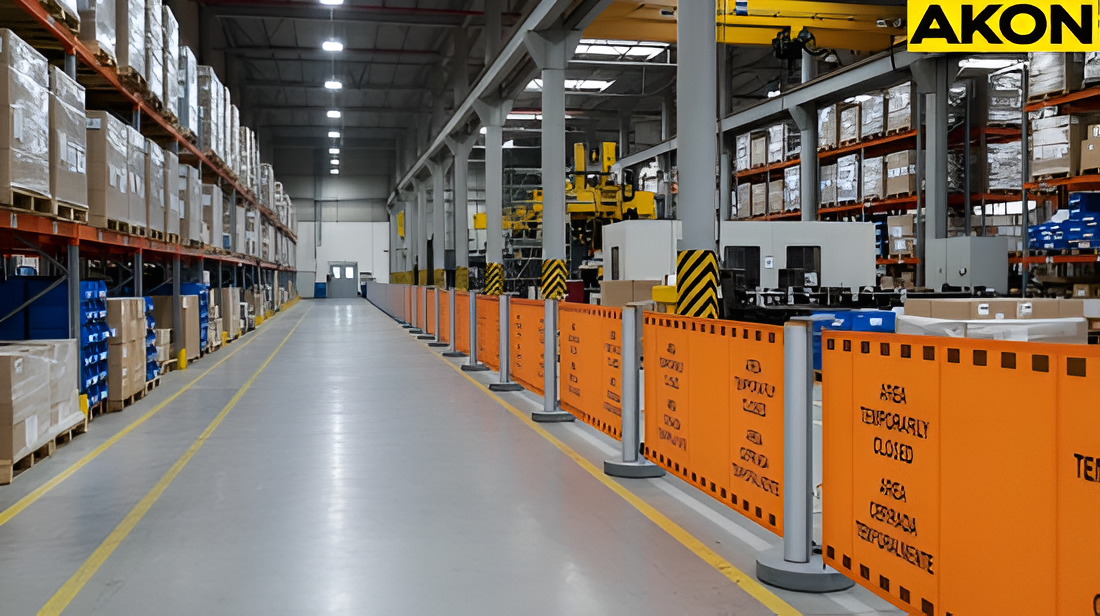
Unclear Walkways Create Safety and Experience Issues
Floor markings and basic signage can be easy to miss in busy environments. Equipment, pallets, and ongoing tasks often block visibility or cause markings to blend into the background.
When walkways are unclear, confusion increases, close calls become more likely, and visitors are left with a poor overall impression of the facility. Over time, these small moments of confusion can affect how the warehouse is perceived by guests and inspectors.
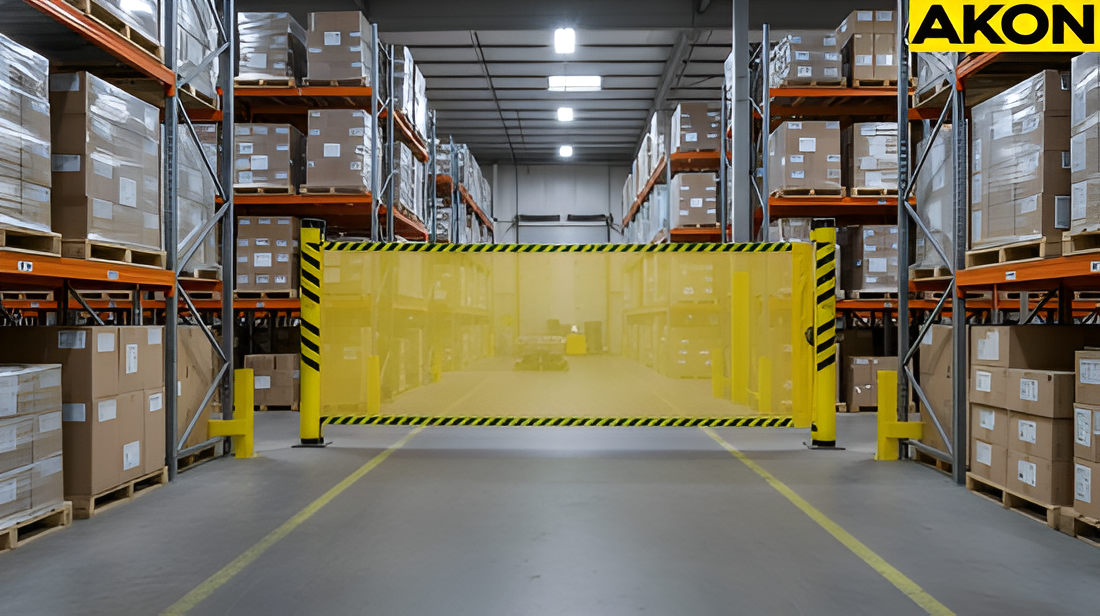
Key Benefits of Using Industrial Retractable Barriers for Visitor Walkways
Once visitor routes are established, movement through the warehouse becomes easier to manage. Industrial retractable barriers support visitor walkways by adding clear structure while allowing daily operations to continue without disruption.
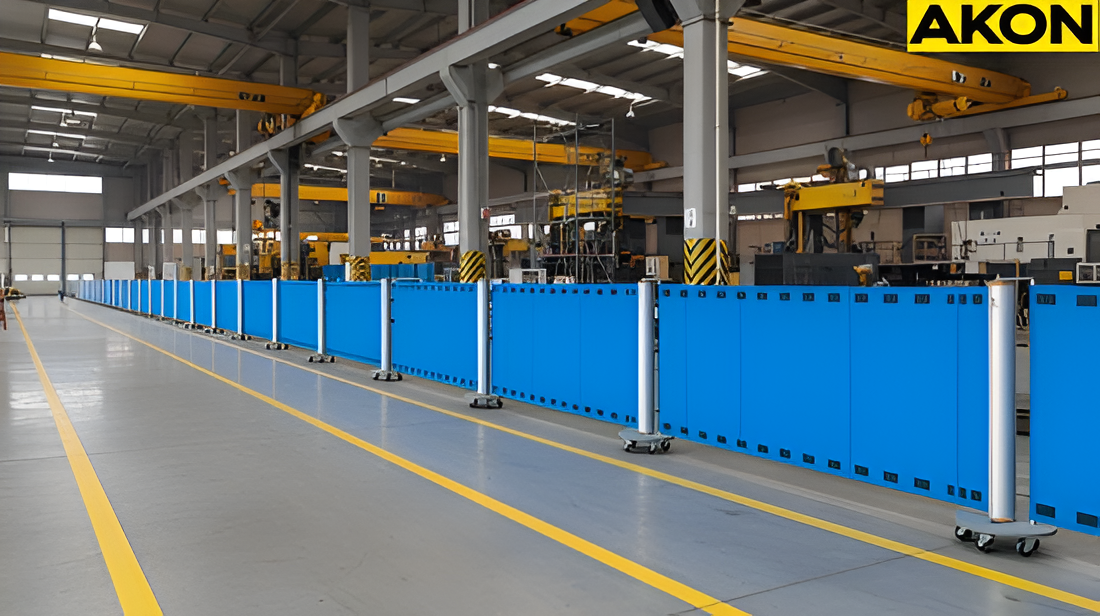
• Quick adjustments. Walkways can be changed in minutes without tools or permanent changes. This makes it easier for teams to respond to layout shifts, deliveries, or temporary activity on the floor.
• A more professional appearance. Defined walkways help the warehouse look organized and intentional to visitors and inspectors. This supports a strong safety image without relying on temporary markers.
• Support for temporary needs. Visitor routes can be set up for tours, audits, or special events without disrupting workflow. Once the activity is complete, the layout can be reset just as easily.
Clear Visitor Guidance
Creates visible walkways that help visitors understand where to walk without hesitation.
Reduced Risk in High-Traffic Areas
Helps keep visitor foot traffic separated from equipment paths and active work zones.
Flexible Walkway Control
Allows walkways to be adjusted as warehouse activity changes throughout the day.
Common Warehouse Walkway Solutions
With several ways to manage pedestrian movement in a warehouse, it helps to compare common walkway solutions based on how they perform in real working environments. The table below outlines how different options compare in terms of visibility, flexibility, installation effort, and where they are typically used.
| Walkway Solution | Visibility | Flexibility | Installation | Best Use Case |
|---|---|---|---|---|
| Painted Lines | Medium | Low | None | Basic routing |
| Cones or Tape | Medium | High | None | Short-term control |
| Fixed Railings | High | Low | Moderate | Permanent zones |
| Retractable Barriers | High | Very High | Quick | Visitor walkways |
This side by side view makes it easier to evaluate which option fits different warehouse needs. Some solutions are better for fixed layouts, while others work best where visitor routes need to change or be clearly defined for short or extended periods.
Recommended Industrial Retractable Barrier Solutions
Once the right walkway approach is identified, the next step is selecting barrier systems that match how visitors move through your facility. The following retractable barrier options are commonly used to guide visitor walkways while allowing teams to adjust routes as activity changes.
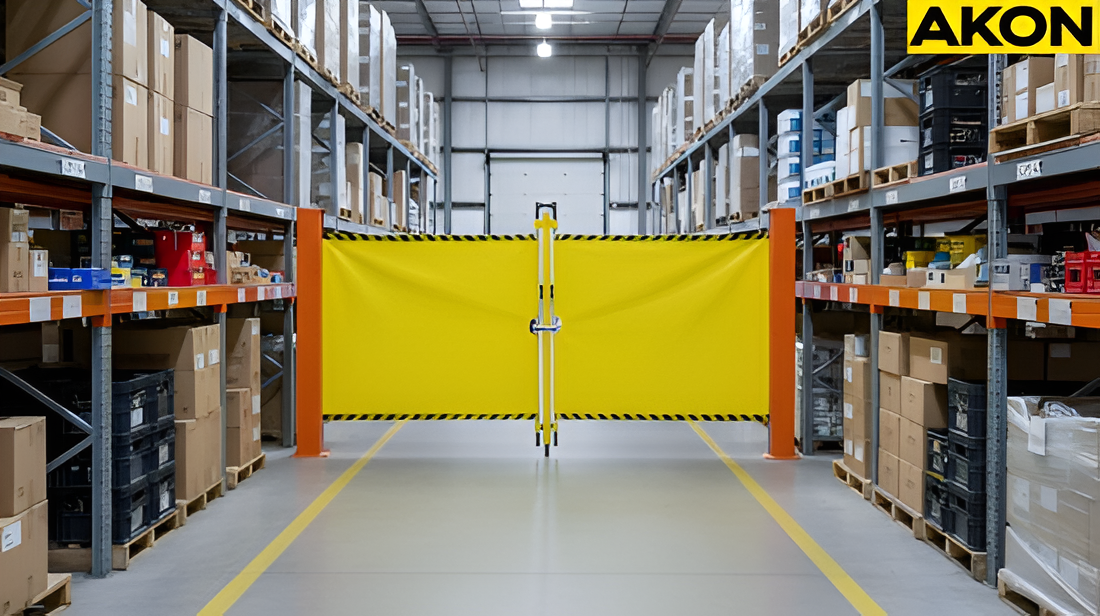
Industrial Roll Up Barricade – SB2000
The SB2000 is a simple roll-up solution designed for clearly defining visitor paths without permanent installation. It works best in areas where walkways need to be set up quickly and adjusted occasionally.
• Straightforward visitor routing. This option is well suited for marking basic visitor paths along aisles or access points. It provides a clear boundary without adding complexity to the space.
• Quick setup and removal. The roll-up design allows teams to deploy or retract the barricade as needed. This helps maintain flexibility during changing daily operations.
• Good fit for shared spaces. It is often used near entrances, checkpoints, or areas where foot traffic appears at certain times. When not needed, the walkway can remain open.
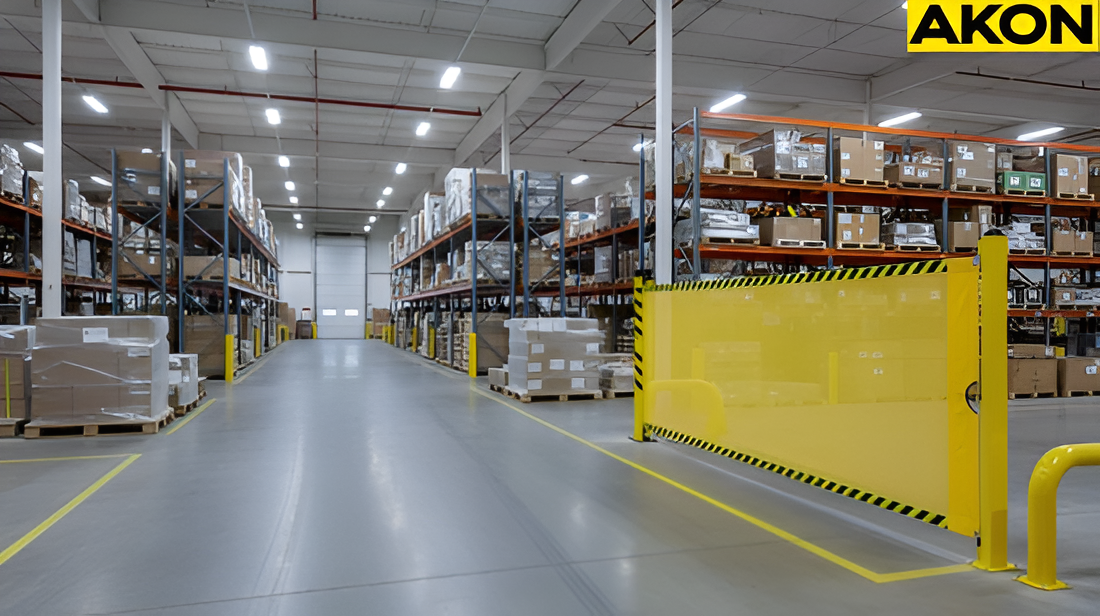
Industrial Retractable Barrier – SB3000
The SB-3000 is designed for environments where visitor walkways need more frequent adjustment. Its retractable format allows teams to manage foot traffic in areas with shifting activity levels.
• Adaptable to changing routes. This barrier works well in locations where visitor paths may move throughout the day. Routes can be adjusted without disrupting workflow.
• Effective in mixed-use areas. It is commonly used where visitor walkways intersect with equipment or material flow. The visible barrier helps reinforce intended walking paths.
• Useful for temporary routing needs. Tours, audits, or short-term access changes can be supported without creating permanent barriers.
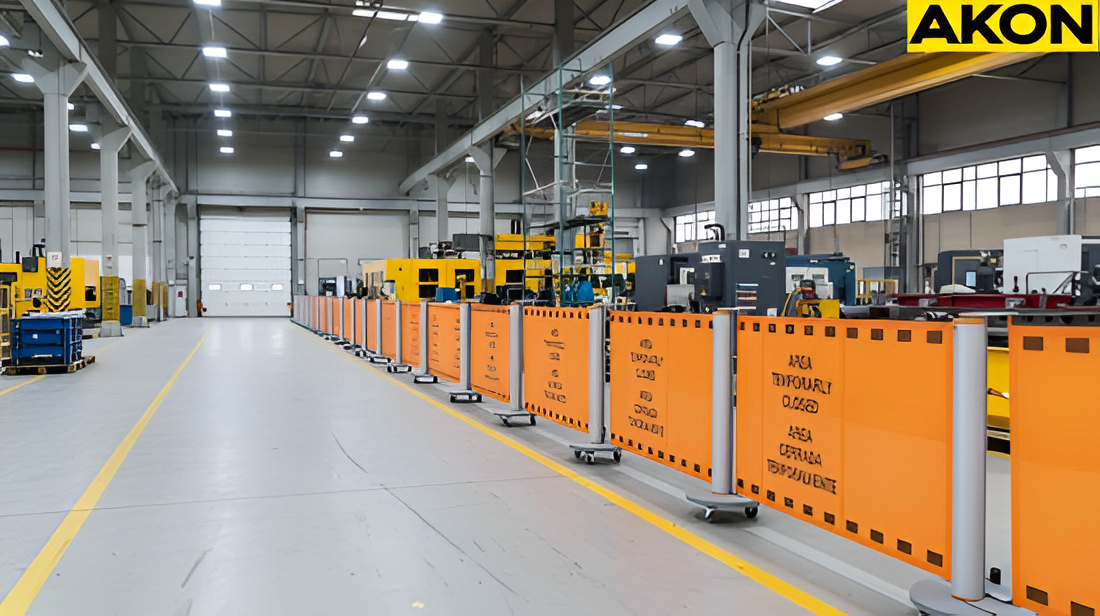
Portable Barrier – SB4000
The SB4000 is a portable barrier system built for maximum flexibility in visitor routing. It is often used in larger or more dynamic spaces where walkways change frequently.
• Supports flexible layouts. This option works well in open areas where visitor routes need to shift based on activity. It allows teams to guide foot traffic without fixed infrastructure.
• Ideal for temporary events. Facility tours, training sessions, or inspections can be supported with clearly defined walkways. Once finished, the layout can be adjusted or removed easily.
• Pairs well with other barriers. The system can be used alongside other retractable barriers to guide visitors through more complex warehouse layouts.
Frequently Asked Questions
FAQs: About Warehouse Visitor Walkways
How do warehouses safely guide visitor foot traffic?
Warehouses guide visitor foot traffic by defining clear walking routes using physical barriers that show where visitors should stay. Industrial retractable barriers are commonly used to keep routes easy to follow in active environments.
Are retractable barriers better than painted walkways for visitors?
Retractable barriers provide a visible boundary that visitors can easily recognize. Painted walkways rely on attention and familiarity, which visitors may not have.
Can industrial retractable barriers be used for visitor walkways?
Yes, industrial retractable barriers are often used specifically to guide visitor walkways. They help define paths without permanently changing the warehouse layout.
Can visitor walkways be temporary or adjustable?
Visitor walkways can be temporary and adjusted as operations change. Portable systems like the SB4000 are often used when routes need to shift for tours or inspections.
Where should pedestrian barriers be placed in a warehouse?
Pedestrian barriers are typically placed along visitor routes, near entrances, and at transition points. Placement depends on how visitors move through the space.
Do visitor walkways need physical separation from equipment?
Physical separation helps visitors clearly understand where they should walk. Retractable barriers provide that separation without fully closing off areas.
What type of barrier works best for short visitor routes?
Short visitor routes are often managed using compact roll-up options like the SB2000. These work well at entrances, checkpoints, and limited access areas.
How do warehouses handle visitor walkways during tours?
During tours, walkways are often clearly defined using retractable or portable barriers. This helps guide groups while allowing staff to continue working.
Can visitor walkways change throughout the day?
Yes, visitor walkways often change based on activity levels. Adjustable options like the SB-3000 allow teams to modify routes without disruption.
Are visitor walkways required for warehouse inspections?
While requirements vary, clearly defined walkways are commonly used during inspections. They help inspectors move through the facility in an organized way.
How wide should a warehouse visitor walkway be?
Walkway width depends on visitor volume and layout. The goal is to allow comfortable movement without stepping into active areas.
Can employees and visitors share the same walkways?
In some warehouses, walkways are shared by staff and visitors. Clear visual guidance helps everyone understand where foot traffic belongs.
What makes a visitor walkway easy to follow?
An easy-to-follow walkway is visible from start to finish and consistent throughout the route. Physical barriers help reinforce direction without confusion.
Can visitor walkways run near loading or dock areas?
Yes, visitor walkways can run near these areas when routes are clearly defined. Retractable barriers help guide foot traffic through these transition zones.
Are visitor walkways suitable for temporary events?
Visitor walkways are commonly used for temporary events such as training days or audits. Portable systems like the SB4000 support these short-term needs well.
How often should visitor walkways be reviewed?
Visitor walkways should be reviewed whenever layouts or workflows change. Regular checks help ensure routes still match current operations.
What is the difference between a visitor walkway and a restricted area?
A visitor walkway guides where people should walk, while restricted areas limit access. Walkways focus on direction rather than full separation.
Can visitor walkways be added to existing warehouses?
Yes, many warehouses add visitor walkways after operations are already in place. Retractable barriers make this easier without requiring construction.
How do retractable barriers support visitor confidence?
Clear physical boundaries help visitors feel more comfortable moving through the facility. Knowing where to walk reduces hesitation and uncertainty.
How do visitor walkways improve the overall warehouse experience?
Well-defined walkways create a more organized and professional environment. Visitors can move confidently through the space without feeling lost or in the way.
Photo Gallery


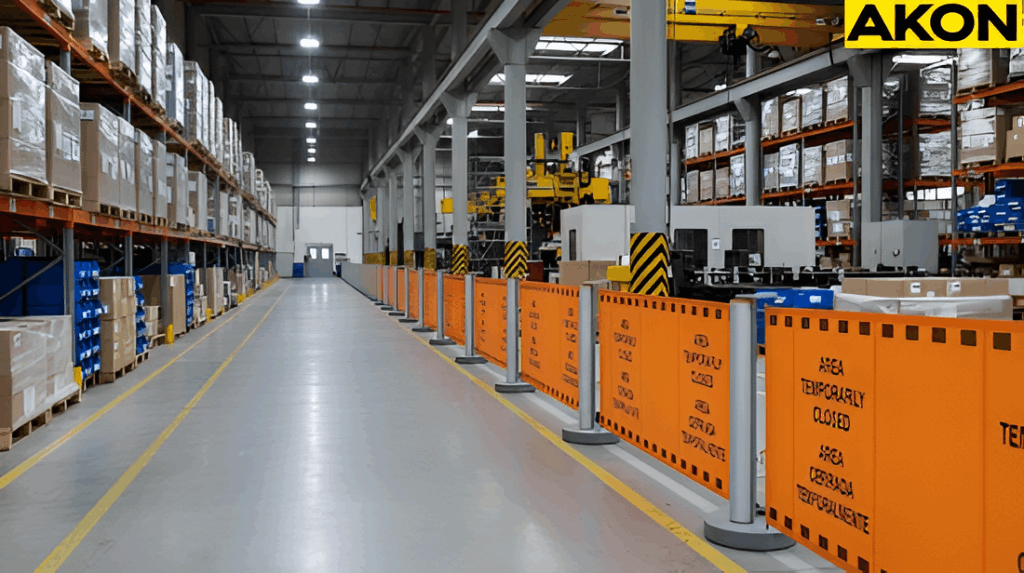
Creating Safer, More Organized Visitor Routes
Clear visitor walkways help warehouses stay organized and easier to navigate, especially in active environments where movement changes throughout the day. When foot traffic is clearly guided, visitors move through the facility with more confidence and less uncertainty. Retractable barriers provide a flexible way to manage visitor routes without permanent changes, allowing pathways to adjust as conditions shift. Taking time to review how visitors currently move through your warehouse can reveal simple opportunities to improve routing, helping maintain smooth operations while supporting a safer, more controlled visitor experience.
Warehouse Visitor Zone