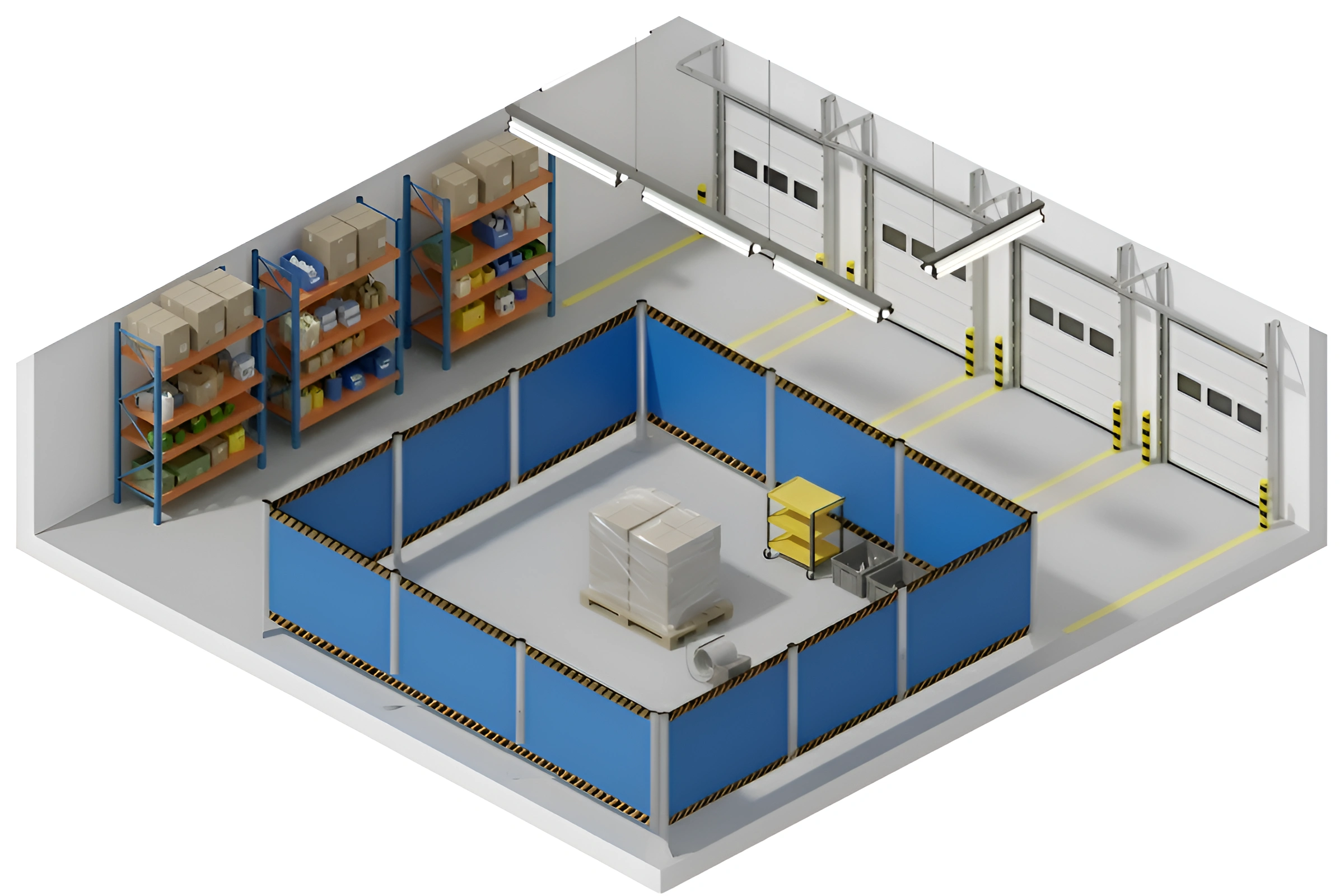
Store Retractable Barriers Properly
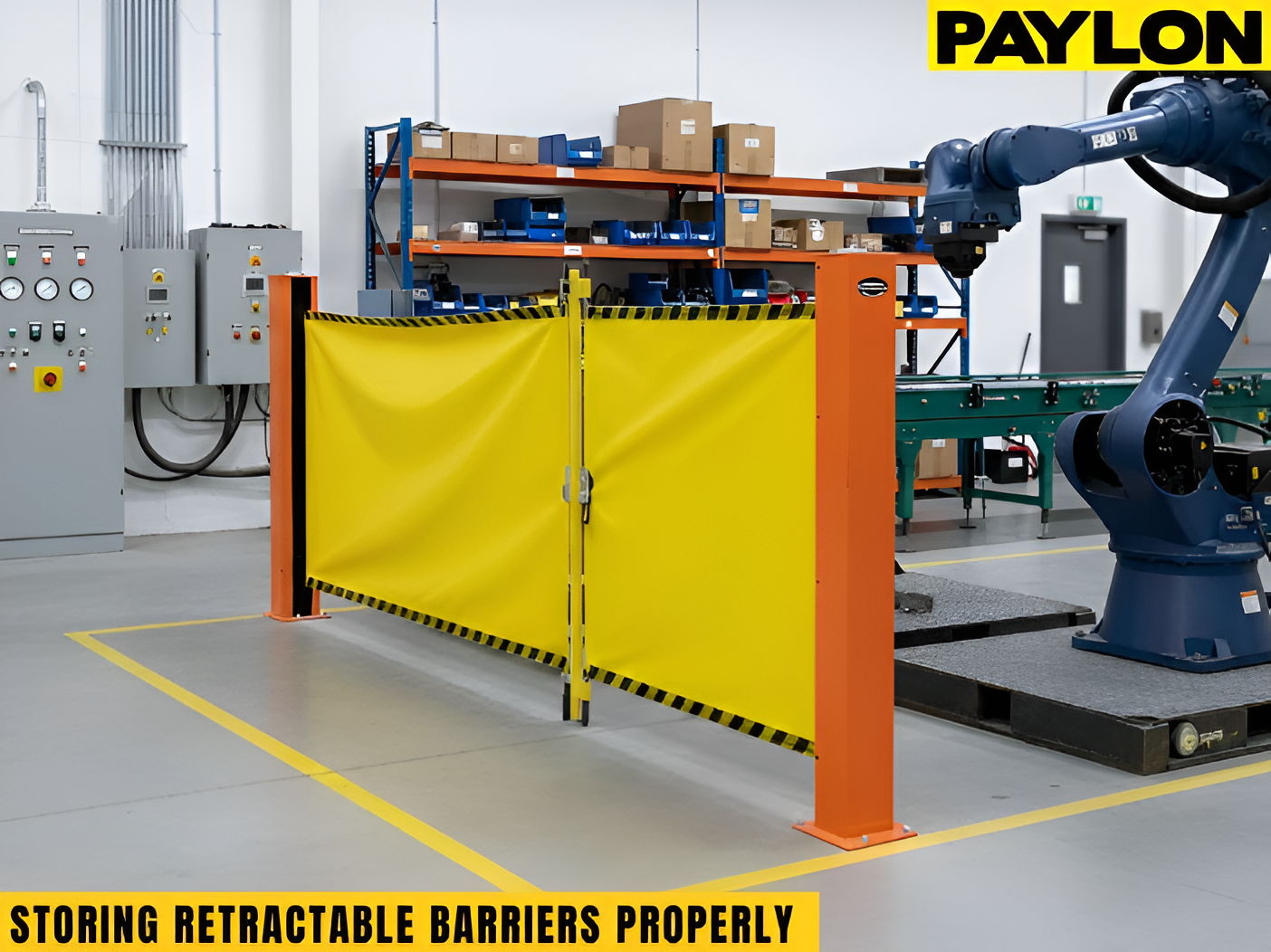
Many warehouses already have retractable barriers, but they are not always deployed when hazards appear. Barriers are used more consistently when they are stored where work, hazards, and access decisions happen. This article explains why storage affects usage, the benefits of proper placement, the best storage locations, recommended barrier options, and answers common questions.
Why Storage Location Determines Whether Barriers Get Used
In active warehouse environments, safety decisions happen quickly. Daily habits often determine which tools get used and which ones are skipped. Storage location quietly influences those habits by shaping how easy a safety action feels in the moment. When access is simple, barriers are more likely to be part of normal operations.
Workers Choose the Fastest Safety Option
During busy operations, workers rely on routines that keep tasks moving. A safety tool that is close by feels easy to use and fits naturally into the workflow.
Tools that require extra steps can slow work down and interrupt momentum. Even short delays, such as walking to another area or opening storage rooms, can create hesitation in the moment.
Barriers Stored Far Away Feel Optional
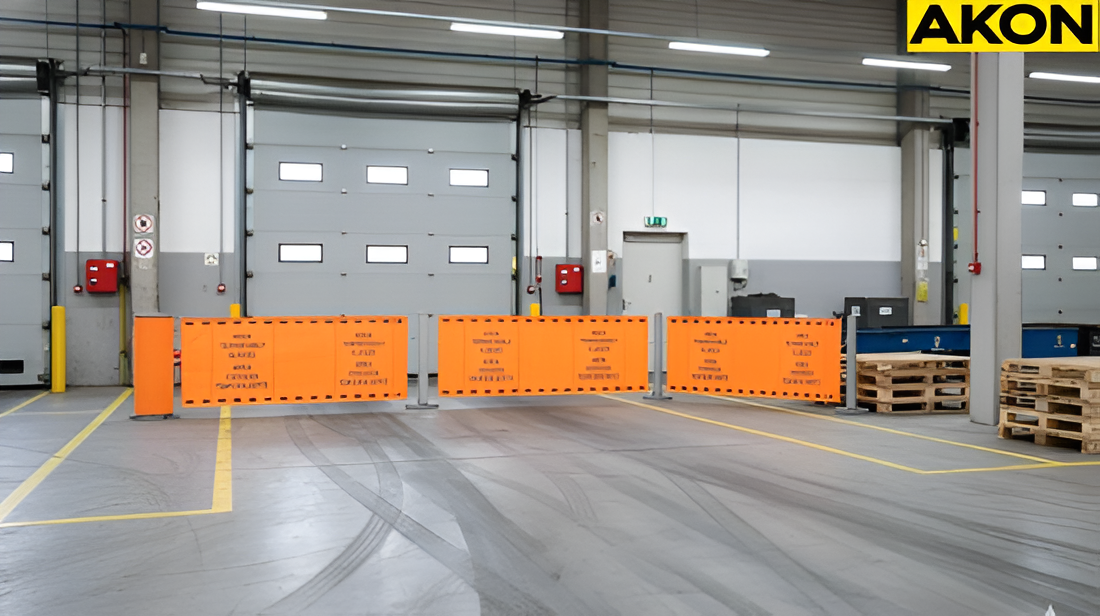
When retractable barriers are stored away from active work areas, they can feel disconnected from daily tasks. Limited access makes them seem optional rather than necessary during fast-paced operations.
These barriers are designed for short, changing situations where quick action matters. When they are treated like occasional equipment, their role fades and usage becomes inconsistent.
Key Benefits of Properly Stored Retractable Barriers
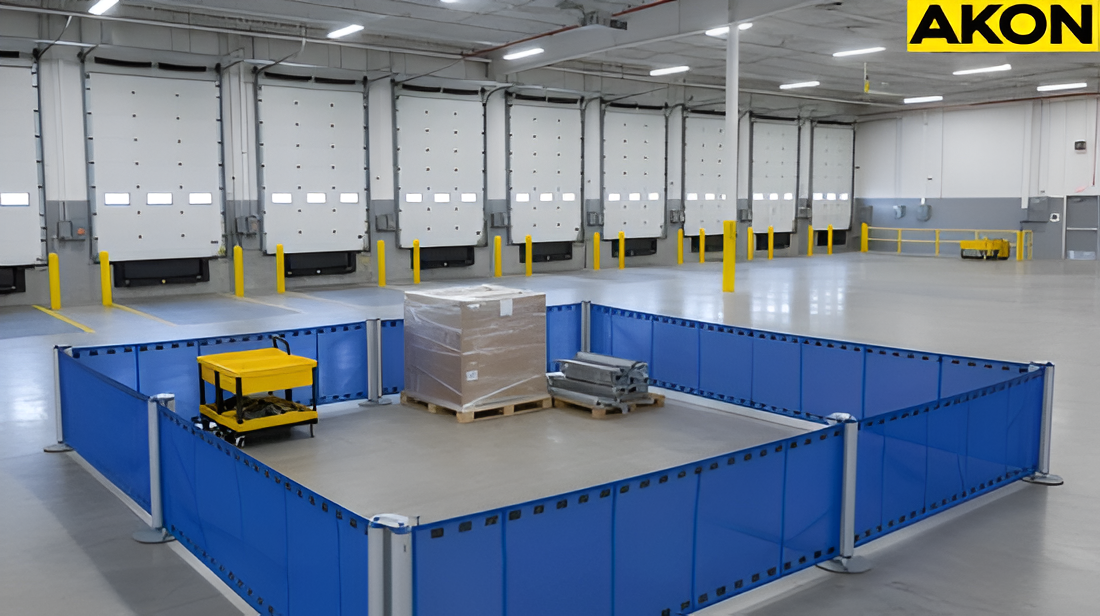
When storage removes friction, the impact shows up immediately in daily operations. Proper placement turns retractable barriers into tools teams rely on without hesitation.
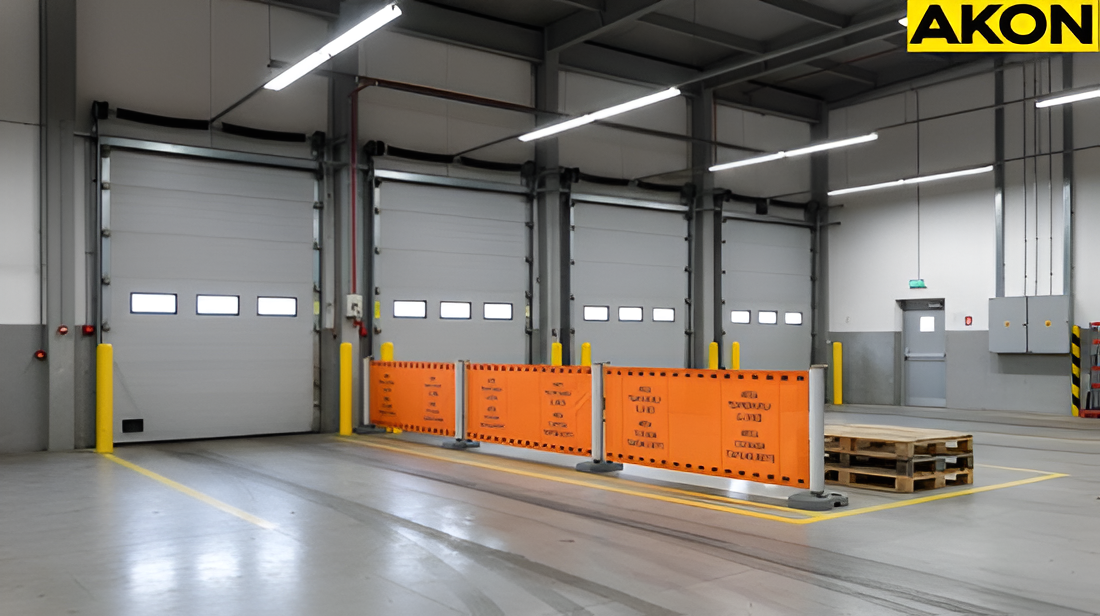
• Fewer improvised safety fixes. Teams rely less on cones, tape, or makeshift warnings. This leads to clearer boundaries and more dependable access control during short term hazards. Clear barriers communicate intent faster and reduce confusion in busy areas.
• More consistent safety behavior. Easy access helps barrier use become routine rather than situational. This improves alignment across crews and shifts. When expectations are obvious, teams follow the same safety habits without reminders.
• Less workflow disruption. Quick access reduces delays when conditions change. Work continues with fewer interruptions while hazards are controlled. Operations stay productive while safety measures are put in place.
Fast Deployment
Barriers stored near active work areas allow teams to block access immediately instead of stopping work to find temporary solutions.
Visibility and Awareness
Visible storage locations keep barriers top of mind and prompt teams to use them before risks escalate.
Consistent Daily Use
Barriers that are easy to see and reach are used more consistently across shifts and changing conditions.
Best Places to Store a Warehouse Retractable Barrier
Once the benefits of proper storage are clear, the next step is choosing locations that support daily operations. Simply having retractable barriers available does not guarantee they will be used. Placement determines whether barriers fit naturally into workflows or remain unused during changing conditions.
| Storage Location | Why It Works | Best Use Case |
|---|---|---|
| Near changing work zones | Keeps barriers accessible where conditions shift | Maintenance and staging areas |
| Aisle and dock entrances | Places barriers at natural access decision points | Loading and unloading zones |
| Pedestrian and forklift routes | Supports awareness in shared traffic areas | High traffic corridors |
| Safety equipment stations | Aligns barriers with standard safety response | PPE and first aid areas |
These locations reflect how people move, pause, and respond on the warehouse floor. Storing barriers where work changes or safety actions already occur increases the chance they will be deployed without hesitation. Reviewing these storage points during regular walkthroughs helps ensure barriers stay positioned where they are most useful.
Recommended Retractable Barriers to Store Strategically
With storage locations defined, the next step is selecting barriers that match how each area operates. The products below align with strategic placement across different warehouse environments.
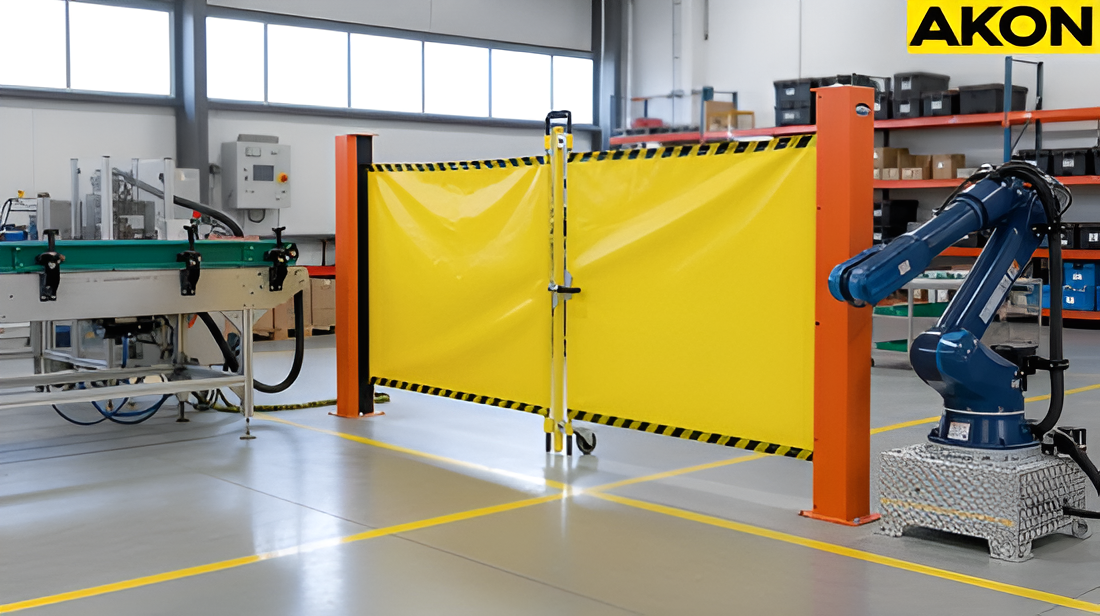
Industrial Roll Up Barricade – SB2000
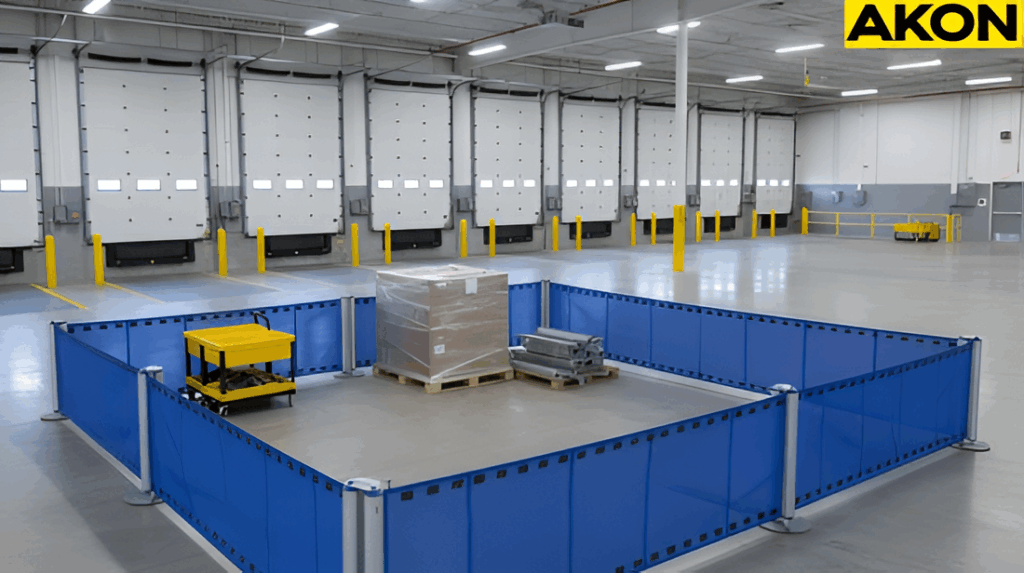
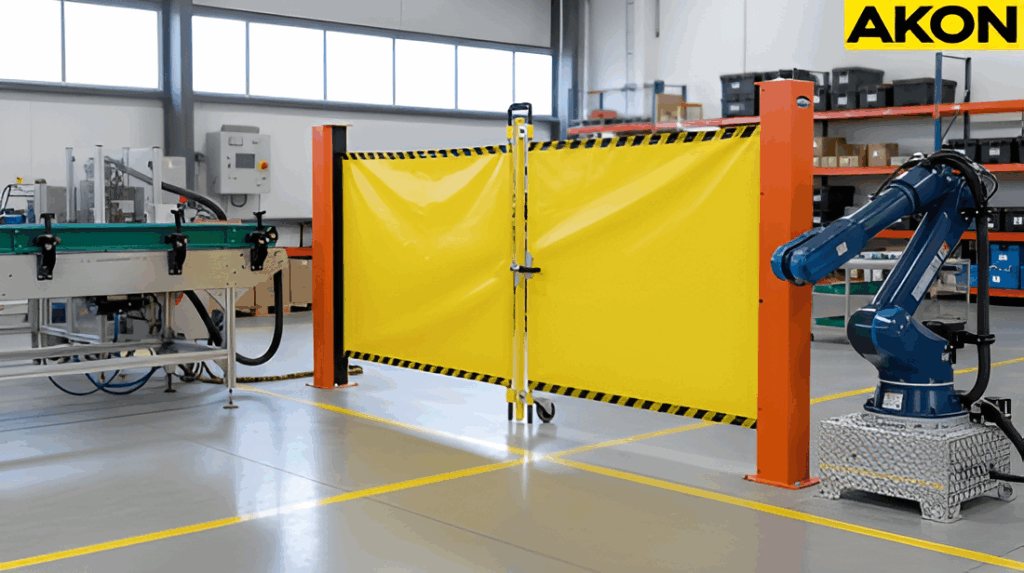
The SB2000 is designed for controlled separation in areas where temporary risks appear on a regular basis. It supports quick setup without permanent fixtures, making it a practical option for repeat use.
• Best storage location: Close to maintenance zones or areas with recurring short term tasks.
• Ideal environment: Production floors, service areas, and support spaces around equipment.
• Why storage matters: Nearby placement helps teams respond without stopping work to locate equipment.
• Operational value: Maintains clear separation during temporary conditions while keeping workflows steady.
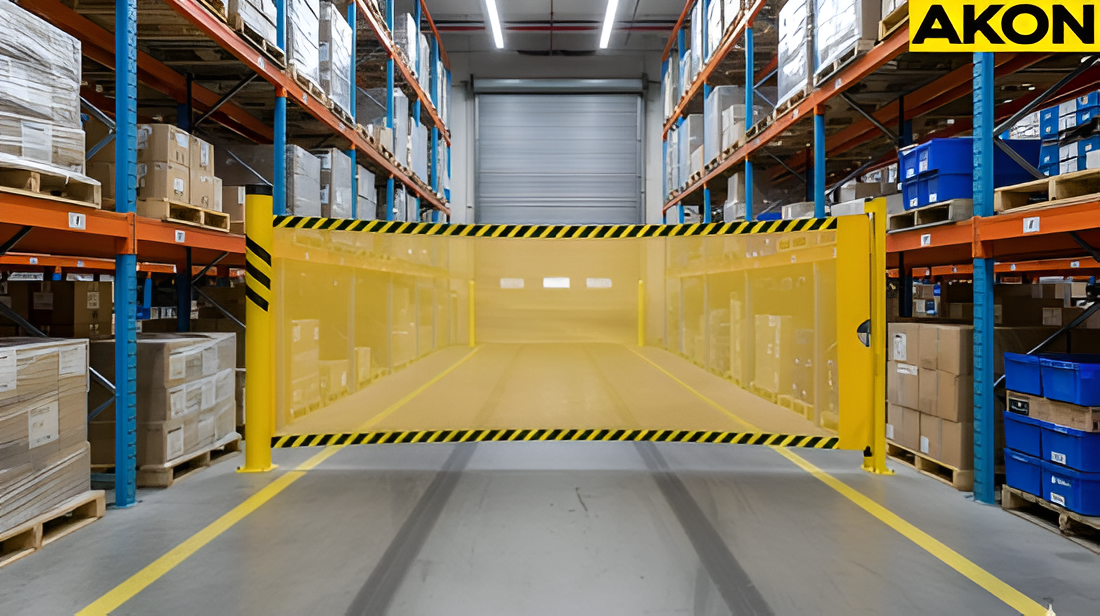
Industrial Retractable Barrier – SB3000
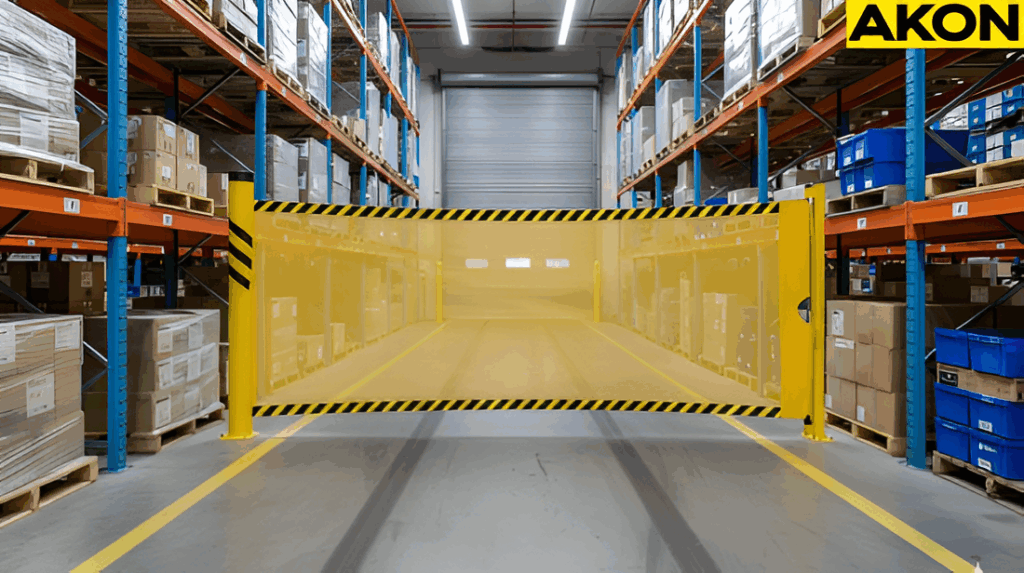
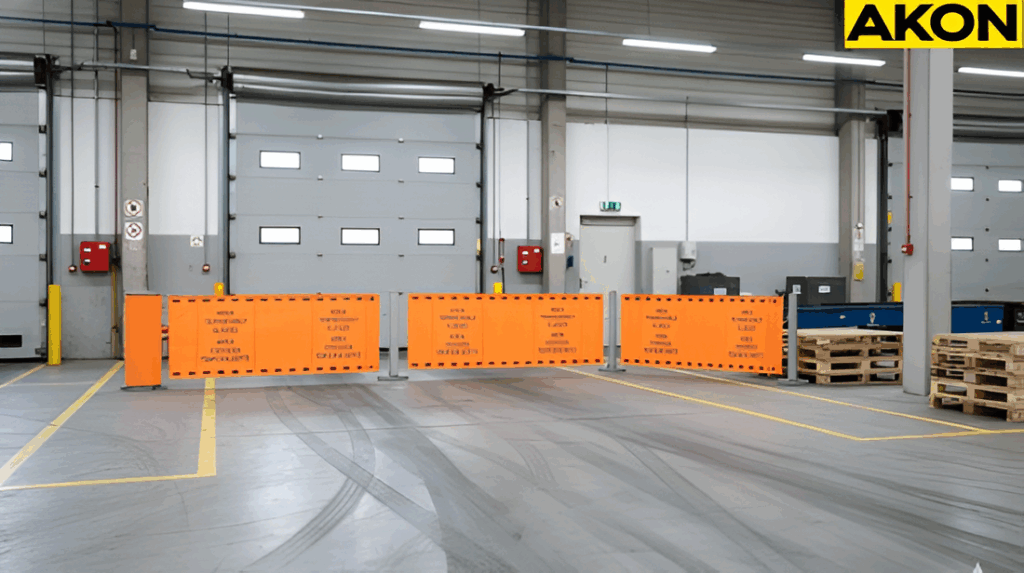
The SB3000 emphasizes visibility and durability for locations with constant movement. It is well suited for guiding traffic and controlling access where clear visual cues are important.
• Best storage location: Near aisle entrances, shared walkways, or access points.
• Ideal environment: High traffic corridors with forklift and pedestrian activity.
• Why storage matters: Positioning it near movement checkpoints supports timely use during busy periods.
• Operational value: Helps maintain organized flow without adding complexity to daily routines.
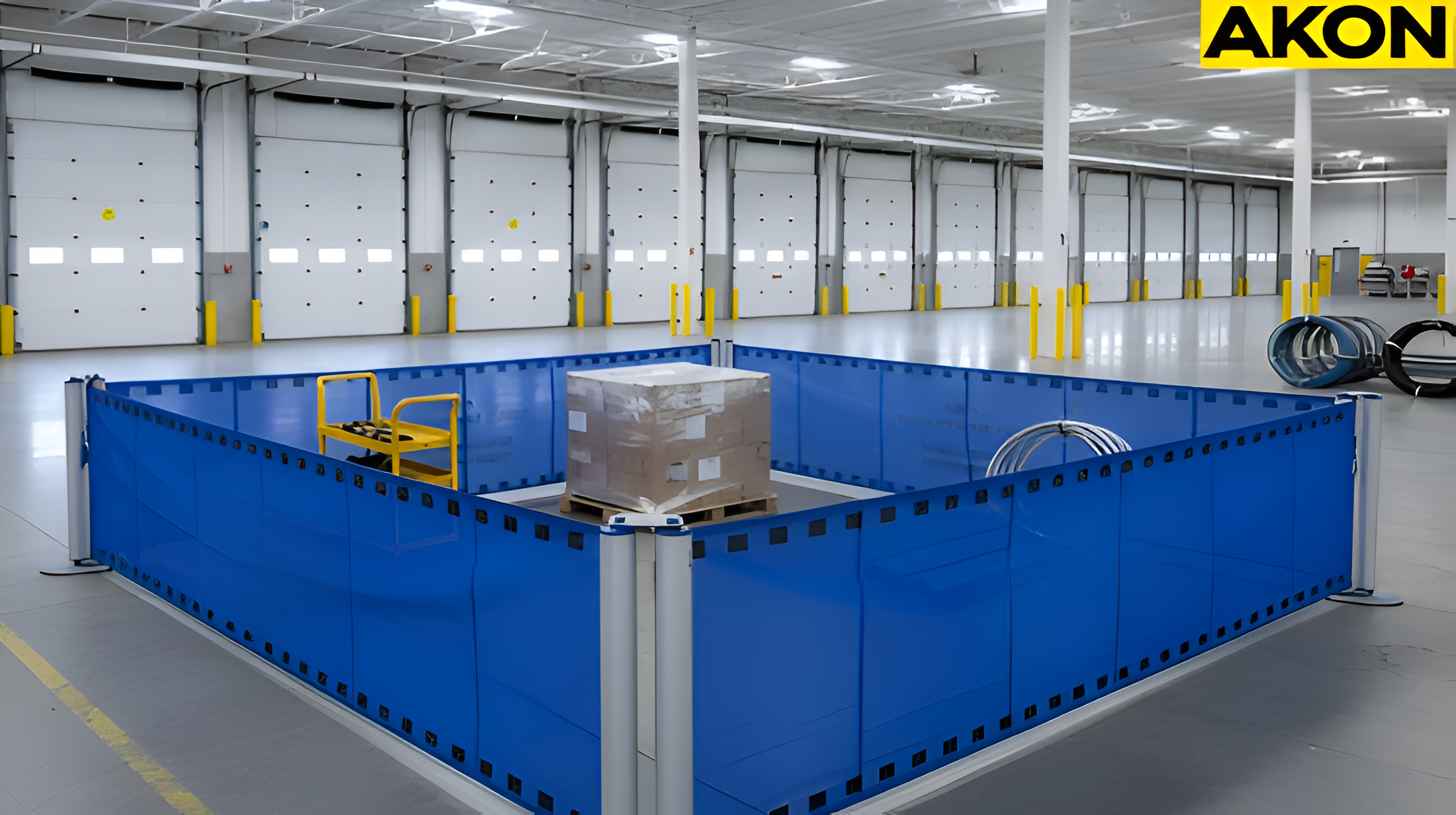
Portable Barrier – SB4000
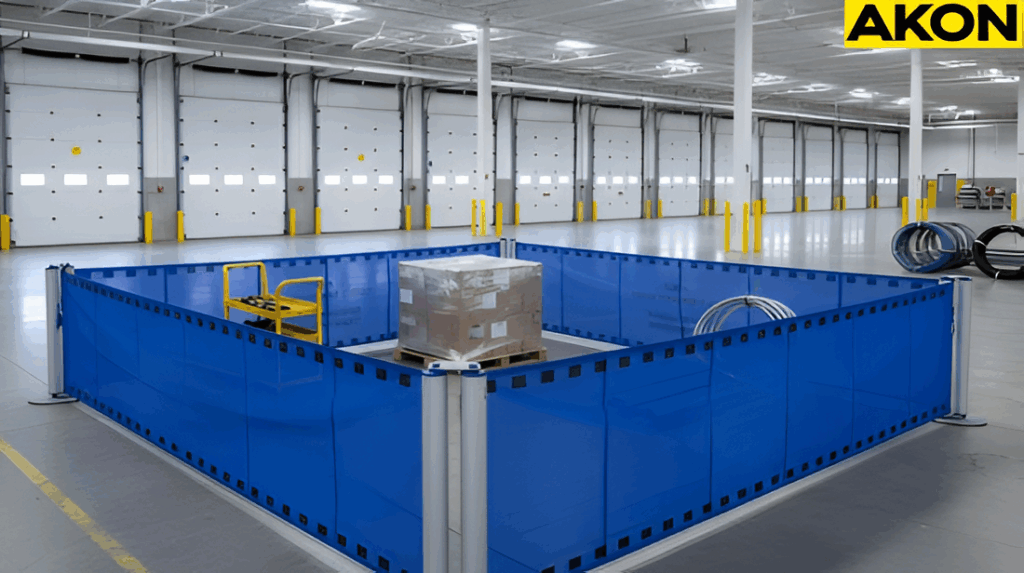
The SB4000 is built for flexibility in spaces where layouts change throughout the day. Its portable design supports quick placement in areas that need temporary access control.
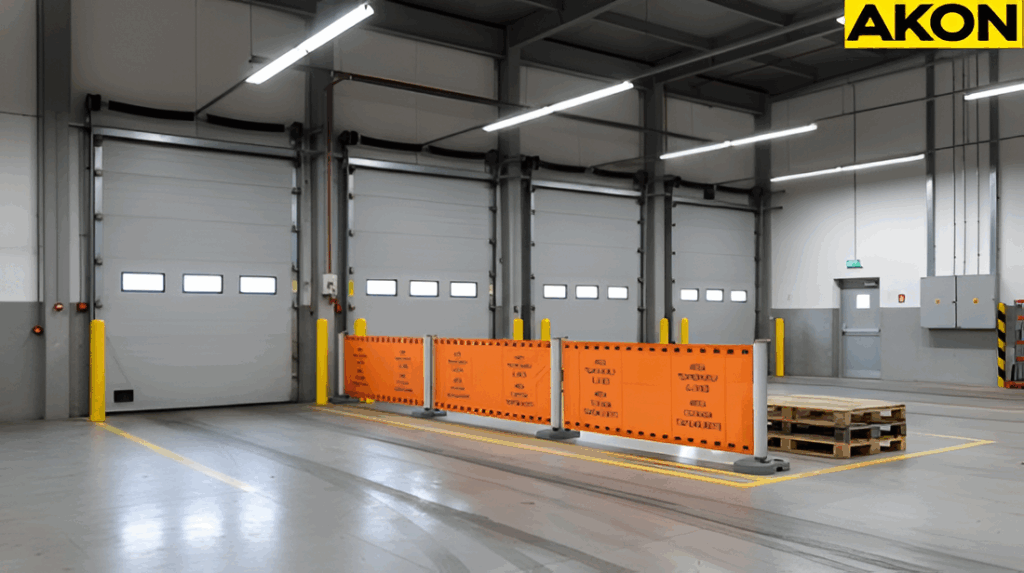
• Best storage location: Near staging zones, dock entrances, or reconfigurable work areas.
• Ideal environment: Warehouses with shifting workflows or short term access needs.
• Why storage matters: Accessible storage allows teams to deploy the barrier without disrupting operations.
• Operational value: Turns portability into a consistent advantage rather than an occasional feature.
Frequently Asked Questions
FAQs: Warehouse Retractable Barrier Storage and Use
Where should a warehouse retractable barrier be stored for easy use?
A warehouse retractable barrier should be stored close to the area where it is most often needed. Portable barrier systems like the SB4000 work best when stored near staging zones or changing work areas.
Why are workers not using our safety barriers consistently?
Workers often skip safety barriers because they are not easy to access. When roll up barricades such as the SB2000 are stored far from the work area, teams may choose faster temporary fixes.
Should retractable barriers be wall mounted or kept mobile?
It depends on how the space is used. Mobile options like the SB4000 fit areas with changing layouts, while retractable barrier systems like the SB3000 suit fixed access points.
How often should barrier storage locations be reviewed?
Barrier storage locations should be reviewed whenever workflows change. Many facilities check placement during routine safety walkthroughs to ensure barriers like the SB3000 still fit current operations.
Can multiple retractable barriers be stored together safely?
Yes, multiple retractable barriers can be stored together if they are organized and easy to access. Grouped storage works well for roll up barricades like the SB2000 when space is clearly defined.
Is it better to store barriers near hazards or in a central location?
Storing barriers near common hazard areas usually leads to better usage. Portable barriers such as the SB4000 are more likely to be deployed when they are stored close to where risks appear.
Do retractable barriers need dedicated storage space?
Dedicated storage helps prevent barriers from being blocked or misplaced. Even simple storage areas support consistent use of retractable barrier systems like the SB3000.
How does storage location affect daily safety routines?
Storage location shapes how safety tools fit into daily habits. When barriers like the SB2000 are easy to reach, they are more likely to be used as part of normal operations.
Should barrier storage areas be labeled or marked?
Clear labels make it easier for teams to find and return barriers. Marked storage also helps new staff locate portable barriers like the SB4000 quickly.
Are retractable barriers only meant for short term hazards?
Retractable barriers are well suited for short term and changing conditions. Roll up barricades such as the SB2000 support repeated use as situations evolve.
What happens if barriers are stored too far from work areas?
When barriers are stored far away, response time increases. This often leads to delayed deployment of systems like the SB3000 during active operations.
Can retractable barriers be shared across departments?
Yes, retractable barriers can be shared if storage locations are clear and agreed upon. Shared use works best when portable systems like the SB4000 have designated return points.
How can storage support consistent barrier use across shifts?
Consistent storage locations reduce confusion between shifts. This helps ensure retractable barriers such as the SB3000 are used the same way by every team.
Do portable barriers require different storage planning than fixed barriers?
Portable barriers benefit from storage near areas with frequent layout changes. The SB4000 is a good example of a system that supports flexible placement.
Should retractable barriers be stored near other safety equipment?
Storing barriers near safety equipment can support faster response. This approach helps integrate roll up barricades like the SB2000 into standard safety actions.
How do storage decisions affect training new employees?
Clear storage locations make training easier. New employees learn to use retractable barrier systems like the SB3000 more quickly when placement is logical.
Can poor storage cause damage to retractable barriers?
Improper storage can increase wear or accidental damage. Designated storage areas help protect portable barriers like the SB4000 when not in use.
Is it better to store more barriers in fewer locations or spread them out?
Spreading barriers across key areas often improves response time. This works well for facilities using multiple roll up barricades such as the SB2000.
How does storage placement support safety compliance?
Easy access removes barriers to following safety procedures. When retractable barrier systems like the SB3000 are nearby, proper use becomes more practical.
What is the simplest way to improve barrier usage without buying new equipment?
The simplest improvement is adjusting where existing barriers are stored. Small placement changes can significantly increase use of portable barriers like the SB4000.
Photo Gallery
The Right Storage Turns Barriers Into Daily Safety Tools
Storage location has a direct impact on whether warehouse retractable barriers are actually used. Barriers are most effective when they are kept where work shifts, hazards appear, and access decisions are made in real time. When barriers are easy to reach, safe behavior becomes part of everyday operations. Retractable barriers deliver their full value only when storage supports consistent, daily use.
Proper Storage Means Fast Deployment